Monday, June 9, 2014

Summer Reading List: The G

Today The G--purveyor of nerdliness, genre fanatic and Nerds of a Feather founder/administrator--shares his fantasy-heavy Summer Reading List! He tells us ("he" being "me," and "us" being "you") that this is the order in which he intends to read the books, but cautions that lists are meant to be tinkered with.


1. Annihilation by Jeff VanderMeer [Farrar, Straus & Giroux, 2014]

Since it's technically summer, I can include the book I'm currently reading--the first installment in VanderMeer's Southern Reach trilogy, which centers on an expedition into the mysterious Area X, where a calamity of unknown origin has upended many of the base assumptions of how reality is supposed to behave. So far it's a dense and extremely well-written slice of the New Weird, a subgenre I'm not that well acquainted with, but clearly have some affinity for. I've got the sequel, Authority, as well, so I might just power through.


2. Sworn in Steel by Douglas Hulick [Ace/ROC, 2014]

I've made no secret of my affection for Hulick's debut Among Thieves, and I hear from reputable sources that the long-awaited sequel is top-notch. Not that I'm surprised--Drothe has been made a Gray Prince of the Kin, but acquired a host of powerful enemies in the process: what could possibly go wrong? With Among Thieves, Hulick showed that he has a knack for pace and writes just about the best sword fight you could ever imagine. Every nerd's summer reading list needs at least one straight-up adventure, and this one promises to be smarter and more rewarding than most. 


3. Artemis Awakening by Jane Linskold [Tor, 2014]

I have to admit this wasn't really on my radar until recently, but from what I gather, Artemis Awakening is one of those "homages to the masters" (in this case, Andre Norton and C. L. Moore) that updates and problematizes rather than reproduces the tropes and stock devices of the source material. It's anthropological "lost world" SF too, and that's a niche I quite enjoy. Plus it might inspire me to re-read Forerunner!


4. Kansas City Noir by Steve Paul, ed. [Akashic, 2012]

Akashic has made a name for themselves with their municipal-themed anthologies of short noir fiction. And if you know Kansas City like I do, you know it's got all the elements in place for some serious grit. Editor Paul assembled a great collection of local authors, including Daniel Woodrell, Grace Suh, Nancy Pickard and J. Malcolm Garcia, so I'm confident this will be a good one. Bonus points to the first author who recognizes the superiority of Gates & Sons BBQ. 


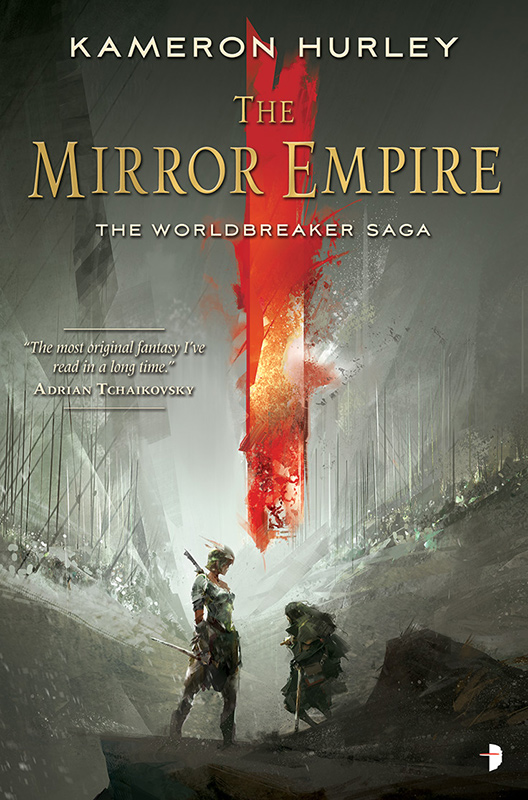
5. The Mirror Empire by Kameron Hurley [Angry Robot, 2014]

Hurley is best known for her "bugpunk" space opera series the Bel Dame Apocrypha; now she switches focus to epic fantasy. This will be my first taste of Hurley's fiction, but if reputation is anything to go by, I expect it to be heavy on the grit, but without a lot of the stuff people complain about when they complain about gritty/grimdark fantasy. Well, some of it at least. It wouldn't be gritty otherwise, would it?  


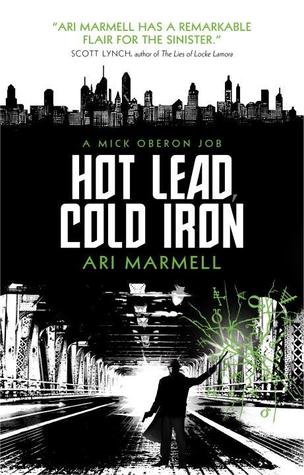
6. Hot Lead, Cold Iron by Armi Marmell [Titan, 2014]

I don't usually go in for urban fantasy, but the review on Bookworm Blues got me hooked. See, my big problem with UF is that I just can't suspend disbelief when the magic and monsters and such are in the hear-and-now. I know, I know--if anything epic fantasy is less believable. But for whatever reason I can imagine wizards more easily when there are castles and swords and such. So this is me broadening internal SF/F horizons. Plus I hear the fantasy bits are restrained, and that's a plus for me.


The Book that Should Be on the List, but Isn't


The Shadow Throne by Django Wexler [Ace/ROC)

If you recall, Wexler's The Thousand Names was one of my Hugo ballot. And make no mistake--I am very excited to read the sequel. Unfortunately, the book has not found its way to me yet. If or when it does, then it will instantly shoot up to the top of the list.


The Book that Is Most Likely to Supplant Something on the List, Given a Shift in Mood

Defenders by Will McIntosh [Orbit, 2014]

Another one I can thank Sarah from Bookworm Blues for (she calls it "too good to rate"). And this tale of what happens to soldiers bred to kill once the war is finished does sound like a serious page-turner. The only reason it didn't make my list is, well, the other books. Luckily there are three months of summer ahead of me, and I tend to read a lot while school is out of session.

Friday, June 6, 2014

MIcroreview [anthology]: AnarchoSF, Vol. 1

Uneven, as anthologies tend to be. 


I am stating out the outset that I’m probably not all that qualified to review the anthology AnarchoSF: Science Fiction and the Stateless Society, Vol. 1. Perhaps I am indirectly qualified: I am familiar with a bit of anarchist theory and history. I read 1984 and Brave New World, some Philip K. Dick and Iain M. Banks. And I did review Anarchy Comics a few weeks back. Plus, someone’s got to review this stuff. Especially the anthologies.

I wish I could say I enjoyed AnarchoSF. There were a few good pieces in here. Ursulla Pflug’s odd little story “The Water Man,” set in an anarchizing New Orleans, warns of the lingering temptations of cash—“jazz”—and the power it bestows, i.e. you can buy untainted water. Ricardo Feral’s humorous take on trendy leftwing factionalism, “Silent Night,” tells the story of one old hick’s ingenious seasonal solution to the drone problem. “The Sea Books” by Chris Bird, though perhaps thematically a bit out of place, is a wonderful allegory of the power of knowledge—hundreds of thousands of books washing ashore a seaside village—that reads like a tongue-in-cheek homage to early Lovecraft. 

The anthology included two classics culled from the public domain. Philip K. Dick’s “The Last of the Masters” is an unsurprisingly unromantic take on how awesome anarchism will be—once we finally kill the last of the robot bureaucrats. Though far less readable than Dick’s story, E.M. Forster’s “The Machine Stops” is perhaps one the most ominously relevant dystopian tales that I have ever read—all the more remarkable as it was written in 1909. 

The remaining entries in AnarchoSF were far more forgettable. Not terrible, just forgettable—as is the case with most anthologies. With consistent content, however, this format could work. I do like the inclusion of classic short fiction, particularly from the public domain. Some more nonfiction, more art, some comics. This could work. Maybe. Either way, valiant effort.


The Math

Objective score: 4/10

Bonuses: +1 for Sea Books and +1 for Dick

Penalties: -1 for making me read a poem

Nerd coefficient: 5/10

***

Dana, Rick (ed.) AnarchoSF: Science Fiction and the Stateless Society Vol. 1 [Obsolete! Press, 2014]

Thursday, June 5, 2014

Thursday Morning Superhero


I apologize for the short post this week, but thanks to a busted water main near my house and a quick downpour I am dealing with some minor flooding in the basement.  Have no fear, the comics and board games remain dry as they were the first items moved to higher ground.  Despite the mild drama at the house, I was treated to some quality comics that helped ease the stress of daily life.  Also, Nailbiter is so, so good and Marvel is delivering one of the best events to date.


Pick of the Week:
Nailbiter #2 - No punches are pulled as the mystery surrounding why Buckaroo, Oregon has produced so many serial killers.  After the disturbing opening with Edward Warren, aka the Nailbiter, the plot thickens as a fire breaks out claiming most of Carrol's evidence.  A new masked man is seen at the fire and I have no idea who I can trust.  This title hits you in the face and you will be asking for more.  Featuring some very impressive scenes of terror, this is a must purchase for any fan of horror.  The first issue delivered a good punch, this issue delivers the knock-out blow.  Can't wait for issue #3.


The Rest:
Big Trouble in Little China #1 - I am currently torn on this comic.  On one hand, there is absolutely no need for a remake or sequel to the cult classic film that is Big Trouble in Little China. John Carpenter's film delivers so many positives that it would do a disservice to bring back Jack Burton and the Pork Chop Express. He already stopped David Lo Pan for crying out loud!  On the other hand, after you make your way past the painful open to this comic, you are left with a story that seems like a logical sequel.  It has John Carpenter's approval, but if it doesn't deliver with issue #2 I am out.  Worth the purchase if you are a fan, otherwise steer clear and rent the movie.  It's amazing!


Original Sin #3 - I must say that I am still really digging this Marvel event.  The Orb is in possession of the eye, but claims to be innocent of murder.  That doesn't stop the Orb from unleashing the secrets that the Watcher has seen onto those surrounding him.  It has hit the fan and there is no putting back what has been unleashed.  The mystery still remains who has been killing all of these creatures and storing them in the middle of the earth?  Did the Watcher see something he shouldn't have?  Meanwhile the Winter Soldier and crew are following a trail of bullet shells to track down who they think killed the watcher.  Someone has the other eye and that individual may have killed the Watcher.  The twist at the end of this issue is epic and has my mind reeling.  I am not sure I believe what I read, but Marvel is delivering the best event in quite some time.

Princess Ugg #1 - Princess Ulga, daughter of Odin, has taken it upon herself to find a better life among the lowlanders.   Despite the objections of her father, Princess Ulga sees value in Atraesca.  Lady Julifer doesn't take too kindly to Ulga's arrival as it looks like Oni Press has another quality fantasy title on its hands.  This issue feels like it is laying a solid foundation for what could be a solid title.  If you are a fan of fantasy this would be a good pick-up this week.


POSTED BY MIKE N. -- comic guy, proudly raising nerdy kids, and Nerds of a Feather contributor since 2012.

Wednesday, June 4, 2014

Summer Reading List - Vance

One of the great things about writing for this blog is getting reading recommendations from my awesome co-conspirators, er...co-contributors. Way more than I can ever hope to keep up with, certainly, but this year a few have made my annual Summer Reading List.

That means that this year's list includes some works I've missed by a couple of legendary writers, and some brand new works by folks that may one day become legendary authors. We can hope, right?

1. Discovering Aberration, by S.C. Barrus

S.C. Barrus contributed a guest post to Nerds of a Feather awhile back on Isometric Role-Playing Games. At the time, he was readying his steampunk novel Discovering Aberration for publication. The summary reads like a Victorian-era Indiana Jones adventure, and to me that sounds awesome. It's a big book, and I'm a man with an unreasonable number of demands on my time, but this is at the top of my to-read list this summer.


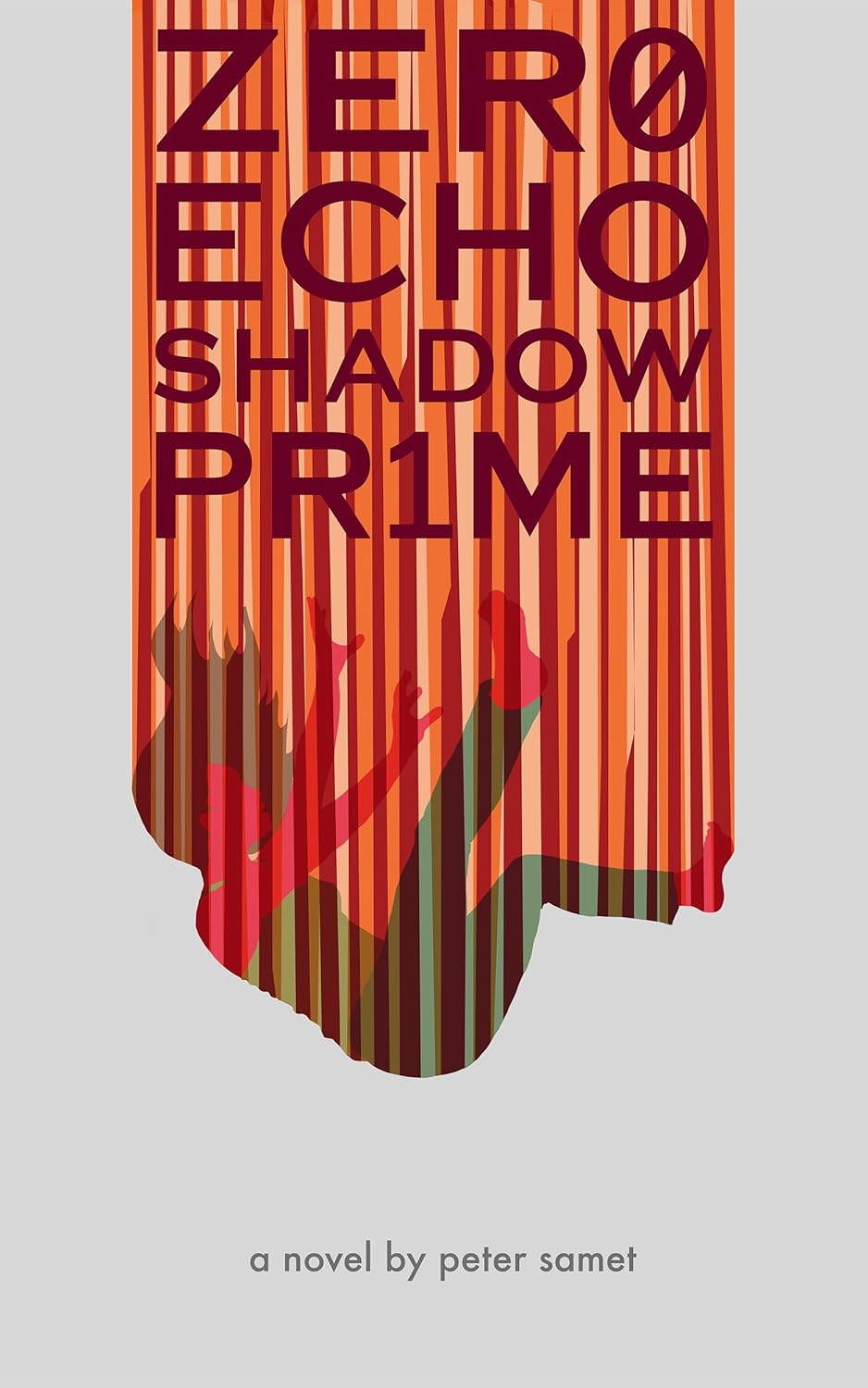
2. Zero Echo Shadow Prime, by Peter Samet
 
A friend of mine, comic book writer Mark Landry (bloodthirstycomic.com) did the cover art for this, and showed it to me awhile back. I thought it was awesome, and Mark told me I should read the book. He'd read it multiple times throughout his time involved on the project, and spoke very highly of it, so I was happy to get my little e-inkstained fingers on it. With a female-centric story about the singularity, robots, consciousness, and immortality-through-technology, it's got my expectations high. And check out that cover!


3. Planks, by S.C. Harrison

Our intrepid monthly Adventures in Indie Publishing columnist D.E.S. Richard interviewed S.C. Harrison for this site and subsequently reviewed her horror collection Planks. After reading the review, I immediately bought the Kindle edition...and then didn't read it. But I intend to do so now! Usually I do a lot of horror reading in the fall, not just because of Halloween, but because I love fall and horror and the grey days and long nights have always made the two feel compatible for me. But this year I'm bloodying up my summer, and I've been promised in Planks a collection of interrelated short stories that do a masterful job of world-building.

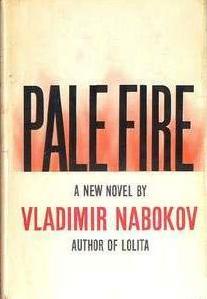
4. Pale Fire, by Vladimir Nabokov

When I read Lolita years ago, I had the annotated edition. Not only did I love the book, but I found myself loving it all the more since I had the ability through those annotations to see so much more of what laid beyond the surface than I would have been able to grasp without them. Nabokov had an unmatched gift for prose that continues to astonish me. So how I have not managed to read Pale Fire — in which a fictional scholar introduces, includes, and fully annotates the final poem of a fictional poet — escapes me. That's three levels of Nabokov. I just hope I can keep up.


5. The Man in the High Castle, by Philip K. Dick

I have read probably a half-dozen of Philip K. Dick's novels and a handful of short stories, but never this one. To be honest, beyond knowing that it's an alternate history where the Axis won WWII, I'm not even really sure what it's about, and I don't care to investigate since I'm willing to let myself be surprised by the journey he wants to take me on. After all, V.A.L.I.S. isn't really about whatever the summary of the plot says it's about, anyway, and Flow My Tears, The Policeman Said starts off being about one thing and winds up being about something else entirely, so I'm just excited for the journey.

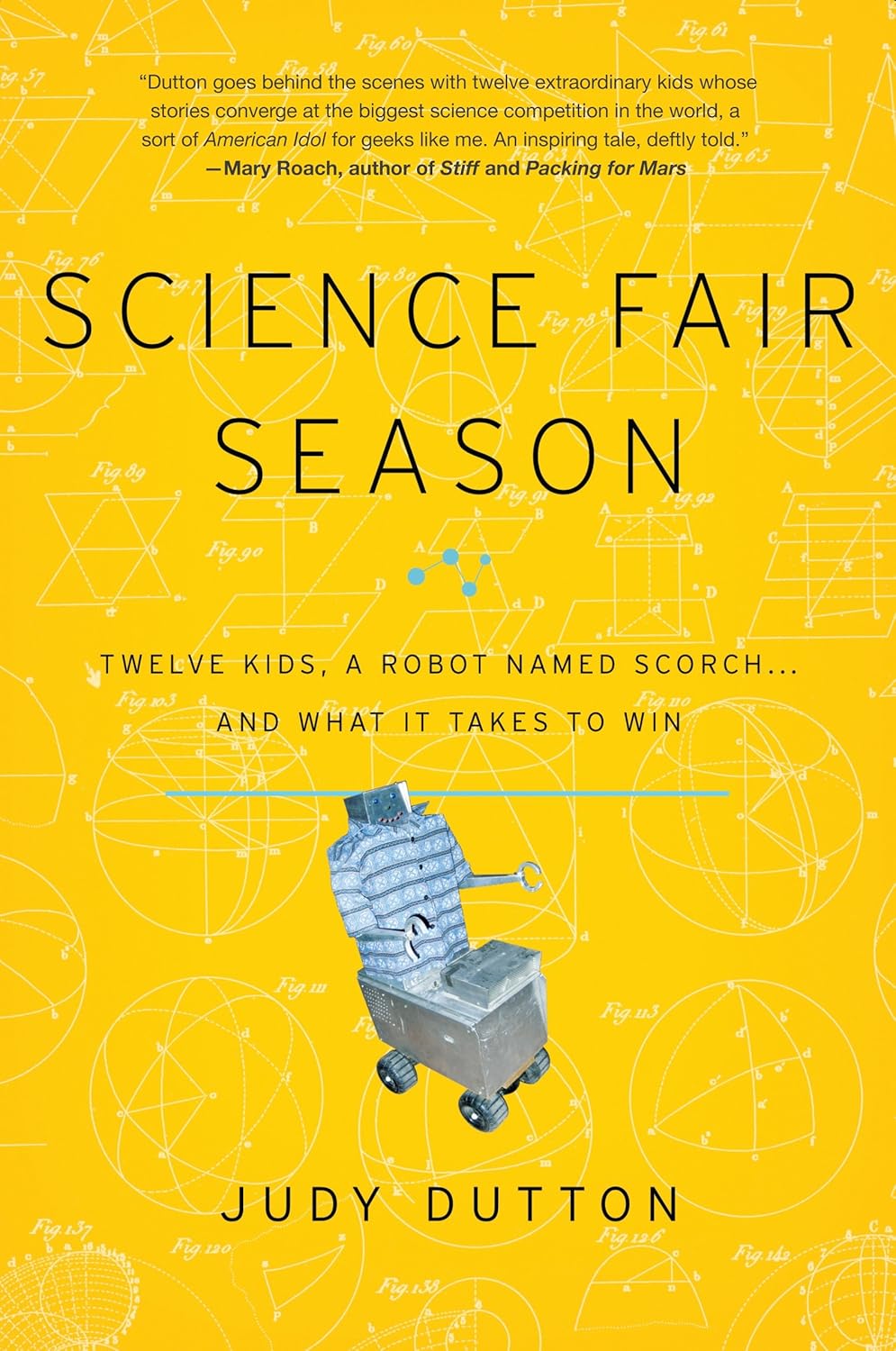
6. Science Fair Season, by Judy Dutton
 
This is the only non-fiction book on my list this year, and another entry in my bought-it-on-Kindle-didn't-read-it-yet file. Judy Dutton spent time immersed in the competitive world of serious science fair competitors (not me — I tried to make an automatic dog-walker like on The Jetsons with some leftover carpet scraps), and these days I would so much rather read about kids getting bent out of shape through science competition and aspiration than out of sports competition and aspiration. The book's a couple of years old now, but the kids are probably still in their late-teens, and I for one am looking forward to reading about those that may one day make all the wacky sci-fi shit in lots of these other books I'm reading come true. 

Posted by: Vance K — cult film aficionado, unapologetic lover of bad movies, and Nerds of a Feather contributor since 2012.

Tuesday, June 3, 2014

ROUNDTABLE: New Short Fiction Markets

We're proud to present our very first roundtable! Today's theme is New Short Fiction Markets in SF/F, and we've gathered some deserving folks to chat about their ventures and the short fiction space in general. Our participants:

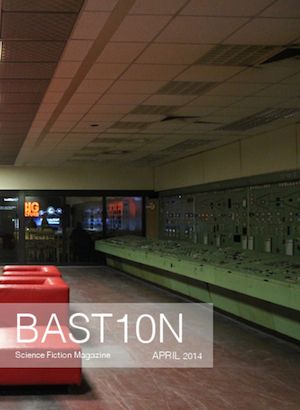
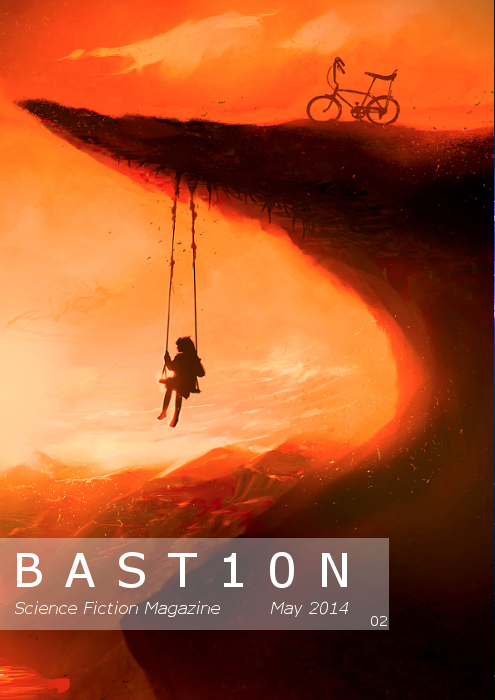
R. Leigh Hennig of Bastion Science Fiction Magazine.


Leigh tells us he's a recent transplant from Rura Penthe, er, Rochester, NY to Seattle. He works as a network engineer by day, and when he’s not working on Bastion in the night, he’s writing his own short stories as well. He’s also an avid soccer fanatic (center back for his Tuesday night team — a defensive rock, and about as fast as one as well) and is probably more dedicated to Arsenal than the Pope is to Jesus. Bastion specializes in science fiction.

 Iulian Ionescu of Fantasy Scroll Magazine.


Iulian was born and raised in Bucharest, Romania, where he earned a Bachelor’s in Finance before moving to the U.S. during 2001. He is a writer of fantasy and science fiction and to date has published a little over a dozen short stories in various markets (and is currently working on two fantasy novels and a sci/fi series). In addition to holding down a day job and working as Editor of Fantasy Scroll Magazine, Iulian runs a writing blog and a personal blog. Fantasy Scroll features fantasy, science fiction, horror, and paranormal fiction.

Ana Grilo and Thea James of Book Smugglers Publishing.


Ana and Thea are among the best bloggers writing about SF/F, and as an outgrowth of this experience, have just announced a new short fiction venture--Book Smugglers Publishing. Like many foolhardy ideas, they inform us, The Book Smugglers was born of a time of great adversity. Faced with threats from their significant others concerning the overwhelming volume of books purchased on a daily basis, Ana and Thea resorted to "smuggling" books home in huge handbags to avoid scrutiny. In 2008, the devious duo founded The Book Smugglers--a review blog dedicated to speculative and genre fiction for all ages, and an outlet for Ana and Thea's bottomless obsession with books and assorted SF/F popgeekery. In 2014, after successfully editing Speculative Fiction 2013, they decided to continue to find and publish the best and brightest voices in SF/F. Book Smugglers Publishing will feature stories from across SF/F, with a special focus on YA and Middle Grade-level fiction.

***

What made you decide to start publishing short fiction? Tell us the story behind your magazines.

R. Leigh Hennig (Bastion Science Fiction Magazine) - I’ve always been big into short stories, both as a reader and writer. I’d been in the community a while. As a reader, I wanted more. As a writer, I know how frustrating it is trying to get your work published. I wanted to do things differently. I wanted to do something that mattered to people. There’s a wealth of great stories being written, but it’s hard for a writer to get noticed. I decided that I wanted to be part of that process, of finding and publishing these fantastic works. The magazine was only natural.

Iulian Ionescu (Fantasy Scroll Magazine) - I grew up reading a lot of short stories, mostly anthologies and less-known magazines. At some point I switched to long fiction and I think that for the most part of my life I kind of forgot about short stories. That is, until I got back into writing after a hiatus of many years. I had started with not one, but two novels, and as I pushed through I found it rather hard. That's when I decided to take a step back and rediscovered short stories. I joined a critique group and I started to write them. I felt rusty and I needed practice and short stories gave me just that: the ability to write a lot of different things, fast, and get feedback so I could learn from my mistakes. I think that most writers go through this process where short-fiction becomes a stepping-stone for longer works. At that time I understood the value of short fiction for writers, and I also re-learned how to love reading short fiction. Starting a magazine was just a normal step from there.

Thea James (Book Smugglers Publishing): Book Smugglers Publishing isn't a magazine, per se - we're actually aiming to publish standalone short stories online, in ebook format, and limited (collectible) print editions with possible e- and p- book anthologies in the future. Both Ana and I have been reviewing mostly long fiction for years, but recently have been exploring and really enjoying the diversity and flexibility offered in the short fiction format. And, as we recently have finished editing a series of short nonfiction articles and essays for Speculative Fiction 2013, we felt like this was a very natural next step for us and for The Book Smugglers.

How do you see your outlets fitting into the overall market for short science fiction and fantasy?

Iulian (FSM) – If you really start looking into it, you'll realize very fast that there aren't a lot of markets out there. A quick search on Duotrope reveals less than 300 markets that take speculative short stories. Then, if you start breaking them down by their specific guidelines, the list gets shorter and shorter. In addition to that, a lot of markets are extremely busy and they take sometimes many months to reply. So new authors are faced with the reality of a few, slow-responding markets. From that perspective, any new market adds to the mix and provides a new, hopefully fresh, place for writers to submit their work.

I am a writer myself and I've had my share of interactions with markets of all kinds and all levels. When I started my magazine, I thought of it as a new place for new authors. Of course I will publish known names, but I really wanted to be in the business of discovering new talent. I also strive to reply as fast as I can, especially to rejections - time is precious and I don't want to waste the authors'.

Publishing known authors is a multi-faceted idea: on one side, I want to pay a tribute to those writers whose works I've enjoyed year after year, and who ultimately drove me to being a story teller. On the other side, the well known authors create a certain cachet for the new authors, who now share pages with some major writers. Last, but not least, and this is sad but true - it takes time for a magazine to create a good readership that would allow it to survive as a business. By publishing well known authors, the magazine can get on its feet a bit faster, create more buzz, and attract more readers and writers.

Ana Grilo (BSP): One of the things we find most exciting about the overall market for short fiction is the field's diversity. It is possible to find all kinds of SFF short stories, from authors with all sorts of different backgrounds. We want to be a part of this growing field of speculative fiction, and we want to be able to find and provide a space for diverse short stories.

Like Iulian, we are aiming to publish a mix of new and well-established authors. More specifically, we are keen on expanding the existing market to include more Young Adult and Middle Grade short stories. So much excellent science fiction and fantasy is being written in these categories, and we’d love to help short stories in these categories get discovered and read by the larger speculative fiction audience!

Leigh (BSFM) - I agree with Iulian in that there really aren’t as many science fiction markets out there as you might think, and the ones that do exist usually are extremely difficult to get published in and can take several months before you hear anything. Maybe ours will end up the same way some time far in the future, since part of the reason these larger and more well established markets take so long is because of the volume of submissions they receive. I hope not, though. I’d like to stay true to how we’ve started: meaningful responses to submissions in a reasonable amount of time. For now though, I’m satisfied with the role that we fulfill. 7-9 stories per issue really is a lot, and it gives us the opportunity to expose more authors. I also think that given what we charge, it’s a really good value.

As Ana said, we’re always excited to publish new authors. Having experienced authors is nice and may help with readership, but to me finding those authors who have never been published before is more exciting than publishing someone who’s a regular in the larger markets. The discovery process is a really cool one to be involved in.

What are the major issues or problems you perceive in the marketplace for short SF/F? How do new markets, like yours, help address these issues?

Thea (BPS) - We love how the short story market has traditionally been a vehicle that allows authors to experiment with creative storytelling and challenge the SF/F status quo. That said, we've noticed two gaps in the market that we hope Book Smugglers Publishing could help address:

The first problem that we've noticed isn't necessarily with the short story marketplace, but the long fiction market - where we perceive there to be a lack of people finding, reading, and talking about great SF/F that extends beyond the realm of "white heroic western civilization-based dude saves the world." The second gap we've noticed directly pertains to the short story market in that we believe a strong majority of standalone SF/F short stories tend to be written for an adult audience - there's little we could find for middle grade or young adult readers outside of specific anthologies or interstitial novellas for longer YA series'.

With Book Smugglers Publishing, we have the goal of publishing diverse SFF stories for readers of all ages - middle grade, young adult, and adult.

Leigh (BFSM) - Thea brought up a good point, about short fiction allowing authors the ability to experiment and do things they might not otherwise have the chance to do. I think a problem with science fiction right now is that there’s an established set of rules and formats that exist and if a story doesn’t comply with those rules, then they might be met with resistance. Don’t get me wrong: stories still have to be good, but I think science fiction could use some younger eyes, ones that aren’t as entrenched in how things were typical done. You have to be willing to give new ideas and authors a chance. Bastion does that. We publish things that others might pass over. That’s not to say that we’re “experimental”, but we’re not bound by tradition. At the same time though, we draw heavily upon the groundwork that was laid by markets and authors during the “golden age” of science fiction. It’s a tricky balance to maintain.

Iulian (FSM) - I think both Thea and Leigh touched upon the existing standards that tend to narrow the writers' possibilities. With established markets with stable readership those standards are going to feel less flexible and more stiff. That's normal. A magazine cannot shift too far away from their roots, or it risks loosing readers. But new markets such as ours, have the advantage of starting with clean slate, and somewhat from scratch. Yes, we do abide to certain SF/F standards, but I believe we have the luxury of being a little bit more open to new things. I won't call it experimental either, but different, if you will. I also agree with Thea that overtime the SF/F market forgot about young readers and is very much focused on adults. Whereas my magazine doesn't specifically target middle-grade, we are striving to publish stories that apply to younger readers as well. By doing that we open up to a wider readership and give writers a new sub-market to target.

What do you look for in a story?


Thea (BPS) – We look for skillfully established, believable world-building. We look for resonant and genuine characters. We look for creative storytelling techniques, subversive themes that challenge established norms, and diverse perspectives regarding gender, sexual orientation, race, religion and cultural background. We look for a story that combines all of these elements into a single, cohesive, irresistible package.

Leigh (BFSM) - We look for pretty much exactly what Thea just said they look for. Particularly the bits about genuine characters (and with that, genuine, realistic dialog) and creativity, along with diversity. A big thing for us is whether or not a story is compelling. It has to be emotionally engaging. Don’t make me feel like it’s a chore to read, or that it’s boring. We look for the kinds of stories that you read and as you go along you almost skip words, falling over yourself trying to see what happens next. We want to read stories that do more than describe visuals. This is probably the worst — where a story gets so caught up in describing how cool they think something looks, with holographic interfaces and such. We also look for stories about life. So often we get stories dealing with death. It’s an easy emotion to play at, so it becomes old hat, but when we engaging stories about life, upbeat stories, those are terrific.

Iulian (FSM) - For me a good story is a three-legged structure: plot, character, emotion. If any of those three is missing, the story will fall short for me. When I say plot, I mean an engaging story where something happens. I am not looking for slice of life stories, or overly philosophical dissertations. Something must happen and it has to be interesting. For characters, I am looking for well-rounded, three-dimensional people who either want something, or change somehow. A character arc gives an extra dimension to a story and ties in really well with the last leg - emotion. A story must create an emotional spark in the reader, otherwise it won't work for me. If a writer manages to do these well, the story will most likely be accepted. Of course, since my magazine publishes speculative fiction, every story needs to have a speculative element and it must feel as an integral part of it, not tacked-on just for the sake of it.

Along these lines, how important is “branding” or cultivating an “identity?” Should markets simply look for the best fiction available or those that conform to a coherent “vision” or reflect a certain aesthetic?

Iulian (FSM) – When it comes to the branding, I think the concept is very important for a magazine. And it goes both ways: a bad brand will not attract good writers and vice versa. Take the examples of magazines like Clarkesworld, Lightspeed, or Asimov's. In different ways they all have established themselves in the marketplace as "high quality." Markets that fail to do that slowly wither and die. The same rule of offer and demand as in any economic phenomena applies to the fiction markets as well. If a market pays well, accepts good stories, has a professional look and feel, and interacts with its readers using the most modern technology, that market will be embraced by both writers and readers.

As for the "best fiction" aspect, I think it's a fine line. I've received stories that were great, but their speculative element was rather invisible, or the story was better suited for a children's market than an adult's market. In that case, I reject the manuscript and I direct the writer to some alternatives.

So, on one hand I always look for great fiction, but on the other hand I do filter it to match my vision for the magazine. Remember that this vision is what the readers use to categorize it in their minds. After a while they will expect the same over and over again. You can get by with sprinkling things from the left field every now and then, but if you start to steer too far away from your original vision, you might loose readers. Unless you have a very clear marketing plan in mind to replace those readers, such a move could be detrimental, if not fatal, to a magazine.

Ana (BSP) - One defining quality of our blog is its eclectic nature: as readers and reviewers, Thea and I will review practically anything in terms of categories, topics and genres. I guess you can call that our “identity” and we hope our publishing endeavor will reflect this eclecticism. We want to offer a bit of everything, from audiences ranging from Middle Grade to Adult, in any subgenre that falls under the speculative fiction umbrella. We are of course looking for the “best fiction available”—aren’t we all? But instead of publishing the same types of stories over and over again, we hope to offer something new and fresh with each round of short stories that we publish. To facilitate that freshness, we're coming up with different themes for each round of short stories we accept in a given "season." This first round is focused on subversive fairy tales, for example. That’s our vision: diversity, eclecticism, and variety.

Leigh (BFSM) - We’re very aware of how aesthetics plays a role in a market’s image. Bastion has a very specific image we’re going for, and I think it’s important that remain consistent on our site, and for our covers. As for the stories themselves however, we like to be a little more diverse. We’re trying to make sure that each issue has something for everyone, so while some may expect us to publish hard SF, my hope is that folks will be pleasantly surprised by the wider range of our stories. You still need quality, as Iulian says, but (within reason) maybe that means something a little different for everyone, so we’re trying to appeal to a wider audience. We don’t cast as nearly a wide net as Book Smugglers Publishing does — “science fiction” is in our magazine’s name, after all — but there’s going to be more here than what some might expect. Some might not be expecting this. In fact I heard from one person that our May issue wasn’t what they expected, and I think they already had a vision in their mind for what they wanted. While I’m confident that we’ve delivered really great science fiction (and others do agree), perhaps they were expecting coffee and instead had tea, if you understand my meaning.

Where do you see yourselves in, say, five years? What do you hope to accomplish and what do you perceive to be the major challenges ahead?

Leigh (BFSM) – Five years is a long way off. It’s hard to predict what may happen in that long of a window. I will say that I have no intention of easing off the throttle, however. I set out to make Bastion a professional market with professional recognition, a place where authors can be proud to have been published. I won’t be stopping until I’ve achieved that. The biggest challenge we face right now is simply recognition. We’re new, so almost no one knows about us. It takes time to develop a readership. We’ll get there though. Count on it.

Iulian (FSM) - When I started I set my goal to become a market that pays professional rates within 3 years. In our first year, 2014, I started with a quarterly publication, paying semi-pro rates. Next year I hope to raise the number of issues to 6 and perhaps increase the rates a little bit. By the third year, my goal is to have a monthly publication that pays professional rates. The challenge is being able to take the content and turn it into a business. There are many things to consider: getting a solid readership, being competitive in prices, providing high quality materials, convincing sponsors to feature ads on your site, and so on. I have adopted a model where I put everything online for free for a while. After some time the older content will only be available for a price, where new content will continue to be available for free. I am sure my model will suffer many changes over the years, as I am trying to do the best for the readers, the writers, and also for the business.

Thea (BPS): Ultimately, we want Book Smugglers Publishing to encompass not just short SF/F stories, but long form novels and commentary, too! In five years, we hope to have established ourselves as a publishing entity, putting forward interesting and diverse works of speculative fiction, written for audiences of all ages, in varying lengths, and format types. Like Bastion and Fantasy Scroll, we're new, so getting recognition and building cache as a publisher will take time - but we're confident that we can find the right SF/F stories and put those stories in front of hungry, eager audiences.

Monday, June 2, 2014

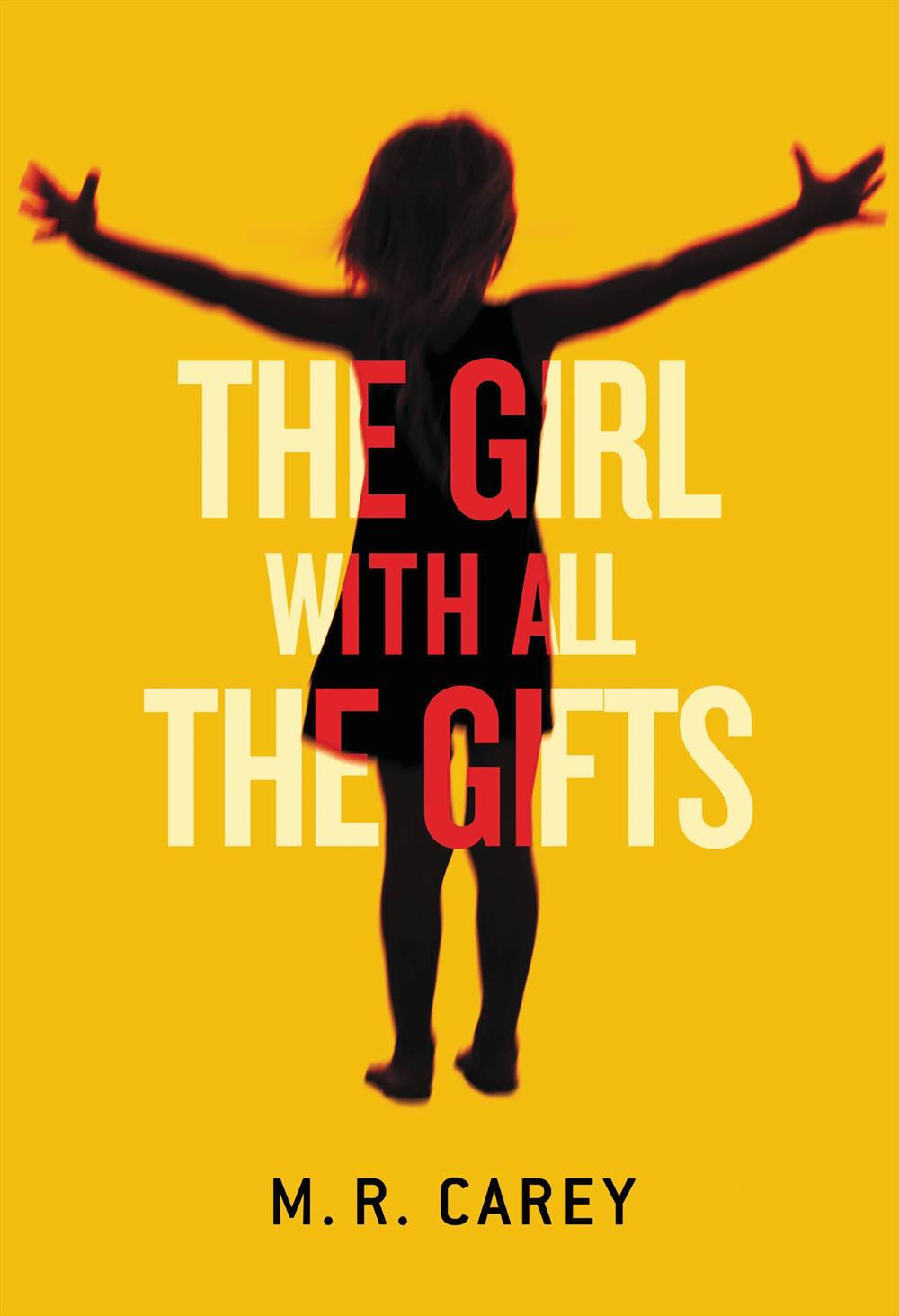
Microreview [book]: The Girl with All the Gifts, by M. R. Carey


Carey, M. R. The Girl with All the Gifts. Orbit, June 2014.
Buy it here starting June 10th!

The Meat (of the Mushrooms

Or, Fungocalypse Now! 

Books about bad guys are awesome. Best of all are those where either the readers or the bad guys themselves (or both) don't even know they're bad guys! Since 'the reveal' about the eponymous girl, Melanie (but her true name, thematically at least, is Pandora!), happens right at the beginning, I'm giving little away when I say that Melanie is just such a doesn't-know-she's-bad character. There are wonderful, slightly displaced echoes of Matheson's I Am Legend here, and a glorious twist at the end worthy of an M. Night Shyamalan movie (one of his good early efforts, not the trite drivel he poops out these days). Choosing to introduce us to the post-(but not fully)apocalyptic human world partly through the eyes of one of its near-destroyers, Melanie, ensures the reader's sympathy for her rather unique plight, caught between the human and 'hungry' worlds.


 ++


                                Ophiocordyceps unilateralis!


                                                                                  =
(Crichton-esque 'meddling with nature' is the implied cause of the fungocalypse)
One of the book's greatest strengths, however, is that despite this tacit endorsement of Melanie's perspective, Carey (the author) doesn't let us slide into the seductively easy trap of identifying entirely with the protagonist (Melanie, the anti-hero) at the expense of those characters to whom she takes a dislike (Sergeant Parks, seen initially from her perspective as a loathsome, hateful Napoleon of a man, turns out to have quite a human dimension as well).
The key in melodrama, broadly defined, is generating an intense burst of antipathy in readers for certain characters because of the injustice or essential unfairness of their actions (i.e., creating someone to hate as the foil for the hero, who we are meant to love), then providing a cathartic (and often violent) resolution in the form of the hero, justice personified, triumphing over the unreasonable foe. So this decision by Carey to take the high road (avoiding the easy payday of a totally despicable character) and keep things balanced between multiple competing, and (perhaps) equally valid perspectives brings deliciously sustained tension to the story as it unfolds. I can't recall the last time I read something possessing such fine equilibrium (and I have no doubt that when this is, inevitably, made into a Hollywood movie, this rare anti-melodramatic quality will vanish, replaced by a much more straightforward morality play, the kind where bad guys are irredeemably bad and good guys as unimpeachable as friggin' Albus Dumbledore). Warm Bodies (book and/or movie) was close, but the future father in law was just such a jerktard!
Was every single aspect of The Girl with All the Gifts full of the same brilliance as the highlights mentioned above? No, there were naturally weaker aspects of the story, in particular behavior by certain characters (here's looking at you, Private G.!) that was frankly so mind-bogglingly dumb as to be, in essence, out of character, as well as a certain coldly rational scientist who indeed began to approach the 'totally bad' type of villain, almost a caricature of "(evil) scientist", so impersonal and inhuman were her actions. But if we leave aside these just slightly jarring notes, we can enjoy what remains: a delightfully entertaining symphony of the fungocalypse!


The Math


Baseline assessment: 7/10

Bonuses: +1 for villain's-eye-view, +1 for humanizing (almost) all the characters and preventing any one viewpoint from achieving melodramatic dominance

Penalties: -1 for including a few less developed characters, indeed mere caricatures of archetypes

Nerd coefficient: 8/10 "Well worth your time and attention"


[As you can read here, 8/10 from us is like an 11/10 from the guys in Spinal Tap!]  

Friday, May 30, 2014

Skyrim: Dragonborn DLC

[Skryim: Dragonborn, Bethesda Game Studios, Bethesda Softworks, 2012]

what took so long?

I realize that this third and final downloadable content package for Skyrim came out about a year-and-a-half ago, but I'm just getting around to it. When I played Oblivion, I bought the Game of the Year Edition, so all of the DLC came with the game. I racked up over 180 hours on the thing and completed every quest in the game, DLC included. However, with Skyrim I bought it on Day One and, to be honest, when I finished the main story line I was ready to put it down for a while. I never thought it would take me this long to get back to it, though. That said, here we are, and here's my critique of the highest rated of the Skyrim DLC offerings.  


what's the buzz? Tell me what's-a-happenin'!

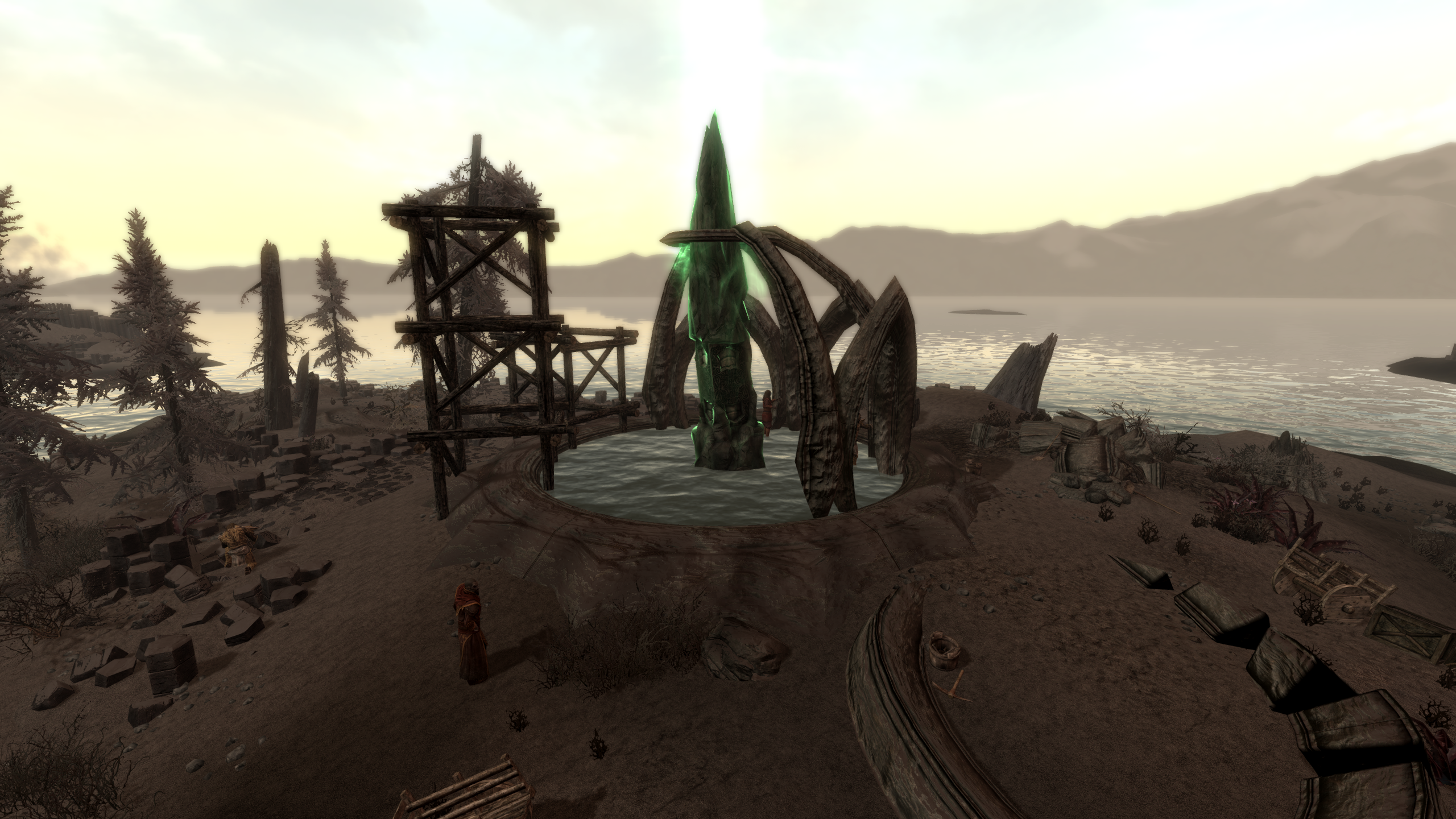
After you've downloaded the Dragonborn DLC package and you start to play, you are quickly attacked by a group of cultists on behalf of one Miraak, who turns out to be the first Dragonborn. This type of aggression will not stand, man, so you set out to find Miraak and put him down. In order to track down your failed assassin, you hop on a ship headed for Solstheim, an island in Morrowind. Long time Elder Scrolls players will remember Morrowind from the third game in the series, and Solstheim from Bloodmoon, an expansion pack for the same. 


You do some sleuthing in an attempt to locate Miraak, but the islanders only seem to have a vague recollection of who or what he is. It's almost like they've all had the same mostly forgotten dream about the man, but they can't seem to remember any details about the first Dragonborn. Eventually, you find your way to the Temple of Miraak where you team up with Frea, a woman from Skaal whose people are being tormented by the evil, power-hungry villain. It turns out he is using the people of Skaal in an attempt to return to Tamriel and take over. He has placed them, along with many other citizens of Solstheim, into some sort of a trance where they are using formerly helpful magic stones to bring about his triumphant return and the downfall of Skyrim. 


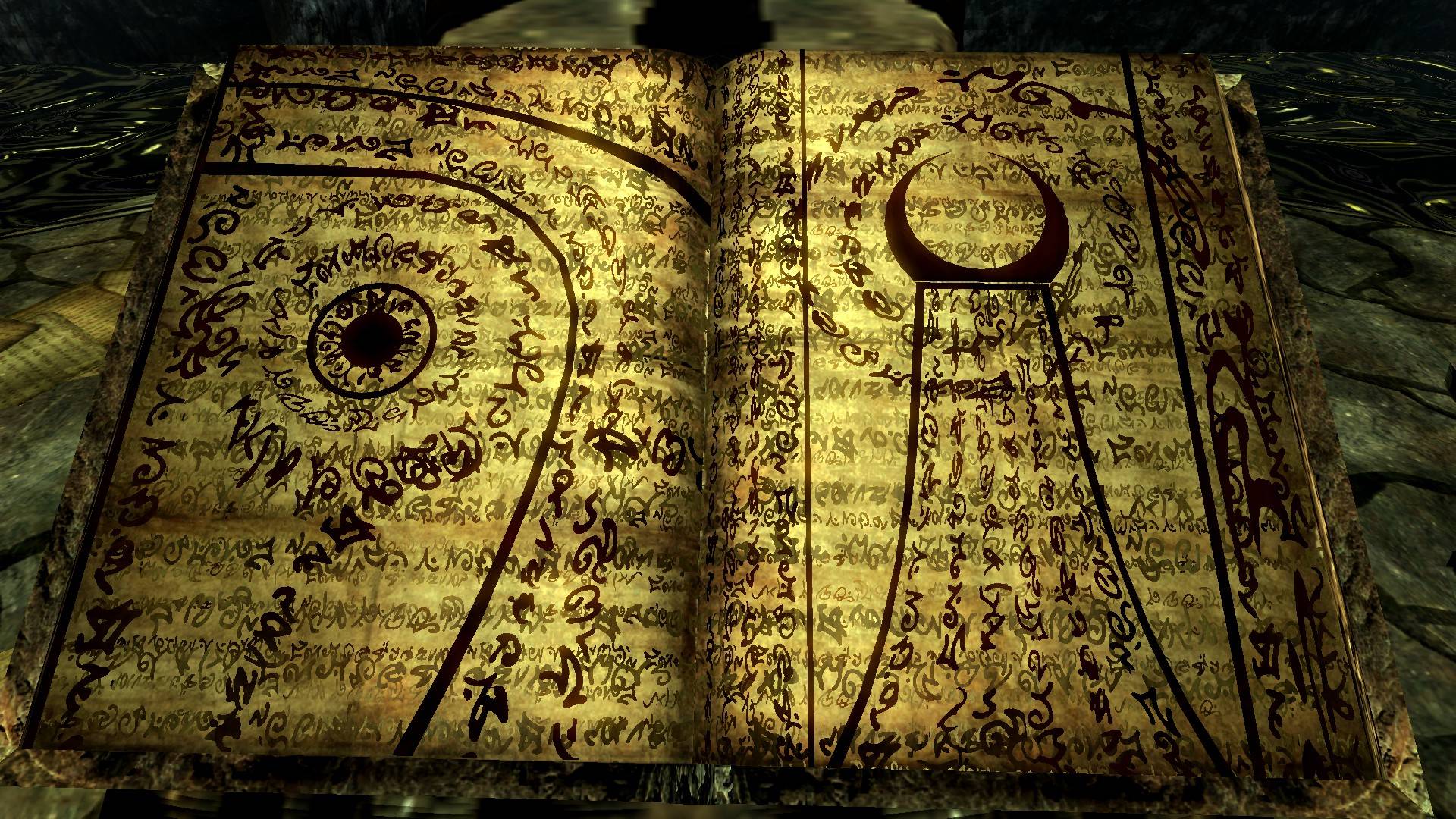
You learn all of this when you find a "Black Book" deep in the recesses of Miraak's Temple and read it. Upon opening the text, you and Frea are transported to the Apocrypha, which is another dimension temporarily inhabited by Miraak as he prepares for his hostile takeover of your homeland. For reasons that don't really make sense, considering that you are the only other Dragonborn in Tamriel, Miraak doesn't find you to be much of a threat and he sends you and Frea back to Solstheim. I understand that it's necessary in order to keep the events of the DLC moving along, but this is a HUGE plot hole in the story. I mean, come on, he's already sent cultist assassins to kill you once. You spend the rest of the story gaining enough power to eventually take the man down. He's got you right there, in his dimension, surrounded by his cultists, underpowered and untrained, and he lets you go?! 


Now, I realize I've been talking about magic rocks and other dimensions, so obviously a little suspension of your disbelief is necessary to enjoy the game, but I just couldn't ever let go of this plot hole in my head. I won't go into too much detail about the rest of the story for those who haven't played it yet but intend to, but you literally spend the rest of the game trying to gain enough power to defeat Miraak. Due to that fact, you have to assume that you don't possess the necessary powers at this point in the game. It's the Skyrim equivalent of a Bond villain monologuing just long enough for James to escape from the overly-elaborate trap that has been set for him and defeat whatever SPECTRE baddy has come for him this time. All Miraak had to do was kill you, right then and there, and it's over. He wins. Instead, he sends you back to Morrowind to learn everything you need to know to eventually defeat him. Ugh. Sorry to harp on it so long but it really bugged me. 


so, you hated it?

No, I actually really enjoyed it. For one thing, you FINALLY get to ride dragons! It's something that I'd been dying to do since I killed my first dragon nearly three years ago. Not only that, but it was nice to have something new to do in the Elder Scrolls universe while waiting for the Elder Scrolls Online to come out (Thanks for pushing it back six months, Bethesda! Boo!!!) Unlike Oblivion, which I beat in its entirety in one huge go around, this served to break up Skyrim into at least two chunks. I fully intend to purchase at least one more piece of DLC because I had so much fun returning to Tamriel in Dragonborn. Aside from that one huge plot hole, it was a truly enjoyable experience. I can't wait to get Dawnguard or Hearthfire and do some more exploring of my favorite RPG world while I wait for the Elder Scrolls Online to come out. 


time for the breakdown

While I didn't enjoy this DLC as much as the Shivering Isles from Oblivion, it definitely holds its own against the Knights of the Nine. With the aforementioned postponement of the Elder Scrolls Online, my hunger for more of Tamriel has only grown. It was the perfect time for me to dig back into Skyrim and, having put off buying any of the DLC until now, I was able to do so without starting over and re-playing any parts of the game that I've already beaten. While it isn't revolutionary, Dragonborn was an enjoyable trip back into the lands of the Elder Scrolls and I can easily recommend it for anyone who is itching to get back into the zone in preparation for the next Bethesda release. 

the math

Objective Score: 7/10

Bonuses: +1 for just giving me more Skyrim. I truly love these games and, as long as they aren't total garbage, I will continue to enjoy most anything Bethesda puts out in the Elder Scrolls universe. 

Penalties: -1 for that HUGE plot hole I just couldn't get past. I mean, come on! He's right there! JUST KILL HIM!!! Ugh. Okay, I'll let it go now. 

Nerd Coefficient: 7/10. A mostly enjoyable experience.