Showing posts with label Adri and Joe Talk About Books. Show all posts

Tuesday, May 14, 2024

Adri and Joe Talk About Books: 2024 Hugo Award Finalists (finally!)


Joe: We’ve had a few weeks to sit on the announcement and start the always exciting process of trying to read and watch all the things and fully engage with the Hugo Awards. The finalists were announced on March 29 and let’s not bury the lede here.

Nerds of a Feather is a finalist for Best Fanzine (thank you again, everyone), which is forever a thrill even with this being the seventh time we’ve been on the ballot. Before we move on because we’re not here to talk about ourselves, I do want to say that I’m thrilled to share a category with Black Nerd Problems, The Full Lid, Idea, Journey Planet, and the Unofficial Hugo Book Club Blog. It’s super cool to be able to share this experience with such wonderful finalists.

Adri: Yes, congratulations to everyone! It never gets less exciting to be here, especially not in fine company. And since Glasgow is as close to a local Worldcon as London is likely to get (shit here is expensive), I’m already looking forward to going in person

Joe: I think I’d like to start with Novel both because I think in novels and also because this an interesting category for me this year - and I’m not saying that because I only predicted 4/6 of the finalists.

I struggled a bit with my reading last year, especially in regards to trying to stay up to date with what was published and what was hot. Back in October I messaged you and Roseanna to recommend things to me because the only negative of stepping away from social media is that I’m not seeing as much of the chatter of what books are interesting and what books are part of a conversation that I should consider to know what’s going on in the genre. It helped, but Roseanna recommended multiple 900 page books to me and somehow I had it in my mind that The Saint of Bright Doors was one of those mammoth tomes so I held off reading it and it turns out it is a perfectly reasonable sized 300ish page novel and is perhaps the most notable book of last year.

Adri:
I follow author Vajra Chandrasekera on Bluesky (as should everyone reading this, he’s great!) and in March he had something like five announcements for different accolades that The Saint of Bright Doors has been nominated for, or won. So this book is really making the rounds and it deserves all of the praise it gets! I’m unusually underprepared for Best Novel, having only read this and Translation State (which I had some personal sticking points with, though I know it’s been very beloved otherwise!), and Saint of Bright Doors is for sure my novel to beat. It’s weird and subversive and unpredictable, which are not things Hugo voters are the best at, but I really hope this one gets a million trophies.

My predictions were worse than yours at only 3/6. I know the Hugo buzz for The Adventures of Amina al-Sirafi passed us both by, although it probably shouldn’t since S.A. Chakraborty has been previously nominated in Best Series. I also hadn’t realised that Witch King had got the traction it clearly had, although once the Nebula nominations came out it became clear we wouldn’t be seeing any Murderbot on a major awards ballot (side note: good for Martha Wells for deciding this - it’s a tricky decision to recuse, and being able to say “no, that’s enough for one series” is a very classy move). Some Desperate Glory was on my predictions and it’s the first Hugo book I’ve picked up for my 2024 reading: I’m loving it so far, so this is a good start.

I don’t think I will love Starter Villain, and I wish the Hugo voters had cycled out their token boilerplate white guy novelist this year (there are several to choose from in the British SFF scene!), since I’ve heard nothing but “meh” about the book and I don’t even like the Scalzi that everyone else raves about. But inertia is going to do its thing, I guess.

Joe:
Witch King and The Adventures of Amina al-Sirafi were my two prediction misses. Witch King because I hadn’t read it AND because I wasn’t confident that Hugo voters were going to go with Wells outside of the Murderbot series, even granting the Nebula nomination for Witch King. Maybe Witch King feels like a fantasy Murderbot, I don’t know. Or maybe readers are fully on the Martha Wells train and it’s not just Murderbot. That’s cool, if so.

The Chakraborty I did read last year, very much enjoyed it, but it gets to a conversation we’ve had over the years - except for Daevabad in Best Series (well deserved), Chakraborty hasn’t been in the Hugo conversation and it’s hard for me to predict a writer who hasn’t made it on the ballot in the past for Best Novel to make it onto the ballot in the future for Best Novel. It’s hell on my prediction stats. If there was Hugo chatter on her behalf, I missed it, but I missed a lot of things last year so that’s not a big surprise.

I’ve variations on the same feelings you have for Translation State, but my highlight (of the nominated novels) is Some Desperate Glory. That one was fantastic and thrilling and it hit all the notes I was looking for. I’m so thrilled that it made the ballot. Along with The Water Outlaws (sadly not a finalist), Some Desperate Glory was one of my favorites of the novels I read last year.

The Scalzi - I enjoyed it. It’s John Scalzi doing John Scalzi things. My wife enjoyed it, possibly more than me. But compared to the other novels on this ballot (that I’ve read) it feels slight, and I’m saying that having nominated The Kaiju Preservation Society the previous year. But hey, we don’t have Bookshops and Bonedust on the ballot. Did you read that one? I remember you were reasonably offended by Legends and Lattes picking up the Hugo nod the year prior.

Adri: I did not read Bookshops and Bonedust. I think Travis Baldree has earned a reprieve from me dunking on his work and all it represents, and frankly so have our readers.

It was never a likely Hugo finalist, but my beloved “outsider” for 2024 was Chain Gang All-Stars by Nana Kwame Adjei-Brenyah. It’s a challenging read because of the brutality of the subject matter - it’s about a future where the US has turned its prison system into a gladiatorial entertainment spectacle where people fight to the death for the slim hope of freedom - but that book is so full of radical empathy for the people whose lives are destroyed by the “justice system”, regardless of what they did that brought them into contact with it (and some of its characters have done terrible things) that it left me thinking for a long, long time.

Joe: Chain Gang All-Stars was on my ballot. It’s an incredible, powerful novel. And, I agree, it was never going to be a real Hugo contender.


Adri
: The interesting thing about this novel ballot, also, is that it compensates for the shift away from Tor dot com dominance in novella by having three Tor dot com published novels instead. On that note, I’m excited about the novella category despite also having read very little of it (I had a very backlist heavy year last year, OK?), not least because two of the novellas are Chinese works in translation, from the same UK small press anthology no less! Both are relatively old in original publication (1995 and 2002 respectively), but I've been nominating Jin Yong's Legend of the Condor Heroes translation to best series every year it's been eligible, so I can't complain about it not being the most up to date of Chinese SFF.

Joe: The two Chinese novellas are a fun addition to the category, especially stepping away from the Tordotcom of it all. I’m looking forward to reading them - fairly soon, actually, since I bought the Adventures in Space anthology.

I’ve only read half of the novella finalists, but Nghi Vo’s Mammoths at the Gate is a particular highlight. Vo is a previous novella winner and a semi perennial finalist, but Mammoths at the Gate is straight up one of my favorite stories of the year. Also of note is Arkady Martine’s Rose / House, a story completely unlike her Hugo Award winning novels. Not to mention T. Kingfisher’s Thornhedge. It shouldn’t be a surprise that each of Kingfisher’s stories are superb.

Adri
: All things I'm enthusiastic to read! And then there's Malka Older’s The Mimicking of Known Successes, which I absolutely loved last year, so there’s a high bar to clear for me, and I’m excited to see what if anything clears it.

Joe: I’m always happy for more Malka Older.

To bounce around a little bit from prose fiction, and to a category I’m not sure you’re going to read much of if I remember previous years correctly - Graphic Story is really interesting this year.

We’ve got the return of Saga which unfortunately isn’t landing for me since its return from hiatus like the first nine volumes did, but Bea Wolf is a very creative retelling of Beowulf if Beowulf and all of the thanes were children and Grendel was that one adult neighbor who doesn’t even tolerate the presence of kids. It has the formality of an epic poem, but in comic form.

Shubeik Lubeik was originally written and published in Arabic in Egypt in 2017 and I am delighted by the opportunity to read this story of the buying and selling of wishes. I never would have encountered this before and it’s really good and I’m so glad it’s on the ballot.

I’m likewise excited to read Kelly Sue DeConnick’s Wonder Woman Historia and Paul Cornell’s The Witches of World War II. Before I watched the Netflix adaptation of The Three-Body Problem I’d have said I wasn’t into the idea of any adaptations of that novel / series (I didn’t appreciate the novel despite the accolades) but the Netflix show was fantastic and now I’m curious what a Chinese translation in comic form might look like. Of course, I’ve no idea if it’s been translated and what availability might look like in the states, but that’s a problem for future-Joe.

Adri: I didn’t manage the graphic novel category last year, but this feels like a year with great potential to come back to it. Made easier by the fact that I’ve been keeping up with Saga, so being eleven volumes in isn’t a problem - and everything else here is either a standalone or a first in series! Aside from Wonder Woman Historia, which looks BIG, it’s a much less daunting category than it has been in the past. Which fits well with my energy levels, frankly.

Joe: Shubeik Lubeik is a fairly large volume, for what it is worth. Excellent, but it’s not a slim 4 issue collection.

Adri
: To go from one visual category to another, this is the first year of Best Video Game or Interactive Work, and it’s a great ballot. While we’re sadly lacking any non-video games to give the second part of that category description a precedent to start from, there’s a really intriguing mix of indie and bigger titles here. Chants of Sennaar and Dredge are on the smaller end of that and both have really interesting storytelling - Dredge is about being a fisherman catching increasingly eldritch critters for increasingly worrying ends, and Chants of Sennaar is about climbing a tower of different cultures and trying to piece together new languages and the history of the location and its divisions. I love a language puzzle game so Chants of Sennaar in particular was a hit for me, and I even found it fun on a replay despite already knowing what the puzzles were expecting of me. I’d love to see this game take the award home!

That said, its going up against Baldur’s Gate 3, which is about as Sensation as a Video Game Sensation gets, and for good reason. I LOVED my time in this D&D-adjacent video game and I think it does many, many awesome things that you could spend literally thousands of hours exploring. The one thing I don’t like is the game’s original ending, which felt quite limited in how it sent off the characters you’ve spent so long getting to love - and yes, there’s a content patch that helps a lot with that, and it was also released in 2023 so is part of the “Hugo-judgeable-package”, but it affected my original feelings after my playthrough and I haven’t quite got over it yet.

Tears of the Kingdom is also here, and it’s well deserved. This game got me through a rough part of 2023, and before that it’s the game I was playing when we got to hang out in person last year!

There are two games I haven’t played: Jedi: Survivor is the only Star Wars on the ballot this year, which feels kinda notable in this oversaturated Star Wars era. I have friends who love it specifically for the type of male protagonist it has, and that might also end up being me. Alan Wake isn’t the kind of thing I’d usually go for, and I guess I need to play the first game before the second? So that might be the one I don’t get to, but I’m gonna be doing my best.

Joe: I’m so thrilled about the inaugural Video Game category as a permanent thing and as a person who plays a fair amount of video games I also now see a challenge with the category because I’m just not going to get to Baldur’s Gate 3. It’s a huge game, I’ve been waffling about when to buy it but because I didn’t jump on it right away I’m kind of behind the game here. I’m in the middle of God of War Ragnarok, which is its own bit of epicness that I keep putting down because I can’t focus and just want to power wash things on Power Wash Simulator. I can’t believe I’ve put in 30 hours into that so far.

Adri: Power Wash Simulator is a gem and I’ve replayed more of it than I care to admit.

Joe: I don’t think I’m going to revisit any levels, especially fiddly ones, but it’s peacefully occupying more of my gaming time than I’d like to admit. But for actual finalists, I’m partway through Dredge and am really enjoying the mix of peaceful fishing game and absolute terror when I’m staying out on my boat too late and what the hell are these red lights and things in the dark chasing me and where did that rock come from it wasn’t there two hours ago?

Tears of the Kingdom was absolutely fantastic and I mostly enjoyed playing it more than I did Breath of the Wild (ascend for the win) - though as with most things, I completely ignored building stuff and because it’s an extension of that game Tears of the Kingdom didn’t have the same sense of wonder and discovery that Breath of the Wild did. But everything is relative because the highs of Tears of the Kingdom are so very high.

I have the same issue with Alan Wake 2 and Jedi: Survivor that you do. I haven’t played them, and I haven’t played the first game and I think I want to because I’m less likely to go backwards on either game (especially since I have Jedi: Fallen Order on PS+).

I will play Chants of Sennaar, though. Once I beat one of the three main Playstation games I’m in the middle of, as previously mentioned, I plan to add Chants to my rotation (ignoring the fact that I also started Tchia). You really sold Chants in a way that I’m very intrigued for a game I would have otherwise skipped over.

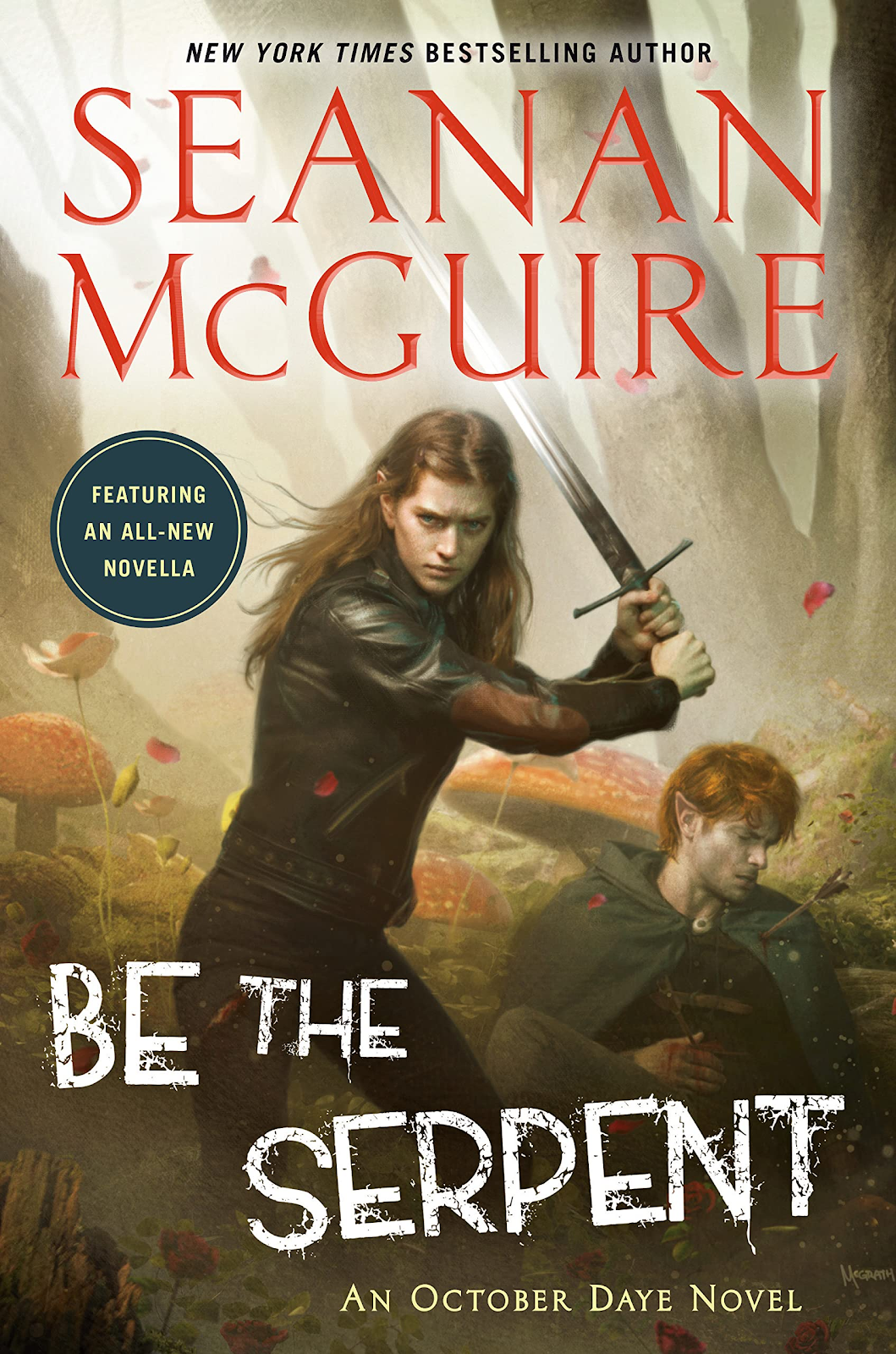
Best Series is a category that I love as a thing but have somewhat mixed feelings on this year. We have our recurring Seanan McGuire and I really hope this is the year October Daye brings home a Hugo. It really is the sort of thing that isn’t going to be recognized anywhere else on the ballot unless one of McGuire’s short stories breaks through again and to my mind it’s exactly the sort of thing that *should* be recognized by the Best Series Hugo. Also, and correct me if I’m wrong - it doesn’t look like we’re getting a new October Daye novel this year for the first time since she started publishing novels with Rosemary and Rue.

Adri: That seems to be correct, because of the publisher shift from DAW books to Tor. Aren’t you wishing you saved one of last year’s double to tide you over this year?

Joe: Is that what happened? I somehow missed October Daye switching publishers. But since I’m deep in my re-read all this means is that if Tor keeps the traditional September publication date I’ll have plenty of time to almost catch up. At this point I’m never not reading October Daye.

Adri
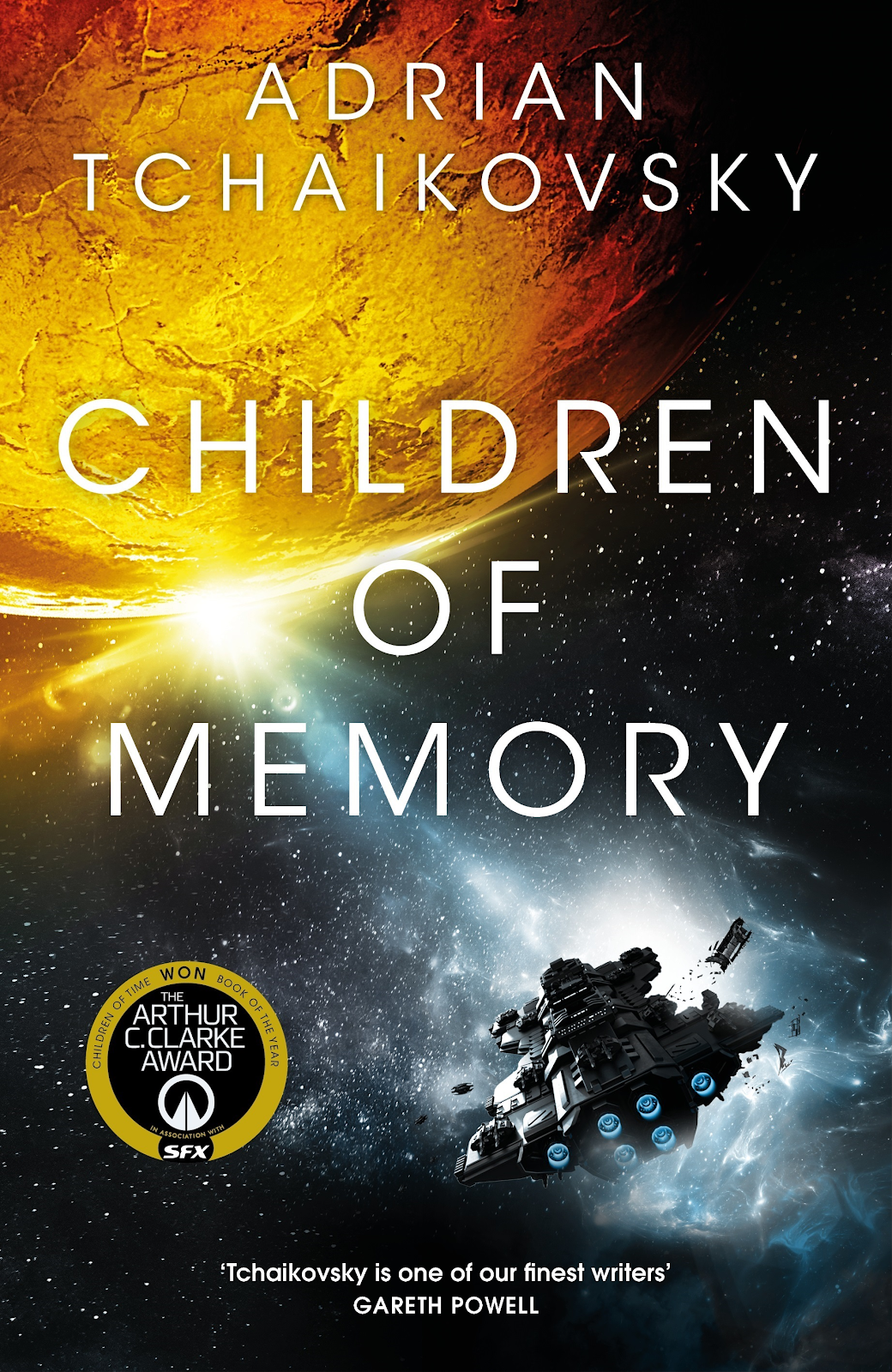
: I like this ballot, on the whole, although I’ve read as much Charles Stross as I ever intend to so I’m a bit bemused to see the Laundry Files back. Xuya is a fantastic nominee in this category though, as is The Last Binding, and while Adrian Tchaikovsky’s Final Architecture trilogy isn’t quite as amazing as Children of Time, it’s still an excellent space opera and Adrian deserves an untainted Hugo.

Joe: I’m really hit and miss on Stross, but I’m not at all surprised to see The Laundry Files on the ballot. Hometown kid and all. I read the first two or three plus a few stories, generally enjoyed them but fell off and never came back for no particular reason. I keep waffling on whether to jump back in either from where I left off or from when Tor picked up the series. Not sure if that makes a ton of sense given that everything seems to build off each other but therein lies the peril of series.

Likewise, I’m not all that excited about the Xuya Universe, though I do agree it is a fantastic nominee. I’ve read several novellas and short stories and I think my only issue with it is that Xuya is a bit more diffuse than other series in this category. I’m behind on the two novels, though, and that might make a difference. I’m not at all familiar with Freya Marske or her work, so that’ll be one of my discoveries for this category.

I’m so behind on reading Adrian Tchaikovsky because he is so incredibly prolific (though I’ve read one of his Shadows of the Apt novels on each of my last two trips and expect to read the third on my Scotland adventure), but I’m excited to jump into Final Architecture. It’s on request at the library and maybe will pop up in the voter packet but if I need to prioritize anything on this year’s ballot it’s going to be more Tchaikovsky. You’ve been singing his praises for years now and I should really pay attention.

Adri
: Tchaikovsky has had a patchy publication history in the USA as well, which doesn’t help.

Anything else you’re excited for on the rest of the ballot? I’m really happy that Maureen Kincaid Speller’s collection, A Traveller in Time, is represented in Best Related Work, though I very much wish that Maureen was with us to enjoy (or at least have enjoyment-adjacent feelings about) that recognition. And I’m delighted that Ai Jiang is in both novelette and Astounding - she’s really burst onto the short fiction scene in the last couple of years and she’s really, really good. I keep a little list in my head of amazing new short fiction writers that should have been Astounding finalists but were robbed and it’s nice not to make the list longer.

Relatedly -- and this is the only bit of process-related griping I’m going to do --  I’m happy that Xiran Jay Zhao has been given extended eligibility, but I wish Dell had declared that there should be seven finalists rather than six, rather than indirectly kicking a non-extendedly-eligible writer off the ballot. Because Zhao’s extended eligibility wasn’t announced in advance, I doubt they received enough votes to reach the ballot organically, and that means that whoever placed sixth among this years nominators has had an opportunity taken away from them in order to rectify a wrong done to one of last year’s finalists. That doesn’t feel good.

Then again, voters vote for ineligible things all the time, so hopefully my assumption that Zhao didn’t receive votes is wrong, people put them on their ballot in protest, and this situation is not as bad as all that. But there could have been space for seven in the circumstances.

Joe: There is a non-zero chance that Zhang received enough votes to make the ballot, but I agree that an announcement would have allowed fans to nominate with intention regarding Xiran Jay Zhao. I’m cautiously optimistic that Dell told the Hugo Committee that if Zhao receives enough votes to include them on the final ballot, but am likewise concerned that Dell added them to the ballot by fiat - in which case, yes, it is unfair that because a wrong was done last year than a wrong was done this year to make amends. On the other other hand - had that announcement been made in advance, I have no doubt that Zhao would have received sufficient votes and we’d have ended up in the same place - but I can definitely see a path to where the first one off the ballot when stats are announced doesn’t feel good about this.

Also, you missed the bad joke of saying that it doesn’t feel astounding.

(Adri could have written a response here, but she didn't because it was a bad joke).  

Joe: For the rest of the ballot, I’m always happy to see a story from Sarah Pinsker up for a Hugo. Dramatic Presentation Long Form is a fun mix of movies while Short Form feels like a category from twenty years ago - though I haven’t seen most of what’s nominated. I’ll probably get to all but The Last of Us, assuming I can muster up enough interest to push into the second season of Loki after being bored by the first.

My hope is that this is the year either Strange Horizons or GigaNotoSaurus can break through in Semiprozine, though I’d certainly be happy about FIYAH picking up their second Hugo. I’d really like to see Alasdair Stuart take home a Hugo for *something* this year - whether it is his fan writing (not that I’m rooting against Paul, maybe they can tie), Escape Pod, or if Nerds of a Feather doesn’t win I’m pulling for The Full Lid this year. Actually, that’s something Mary Robinette Kowal told me in DC a few years back when I was a bit extra stressed out - think about who you would like to win that isn’t you and root for them so that you have someone to cheer for if it doesn’t go your way. Regardless, Stuart is now an 11 time finalist. He’s such a force for good in the genre community and consistently puts out such good fan work that he absolutely deserves to be recognized - and what better time than in a UK based convention for a UK based fan?

I think that’s also a grand place to wrap this up. This is a fantastic lineup of Hugo finalists and given how excessively open Glasgow has been thus far I am very confident there will be absolutely no shenanigans. I’m excited to attend the ceremony in person and see you and Roseanna and Paul and everyone else who will be there!

Adri: Absolutely - so far from a finalist perspective we’ve seen the Glasgow team putting their absolute best foot forward and I really appreciate the level of communication, transparency and thoughtfulness that’s been evident so far. It doesn’t undo the damage of 2023, but it’s a good place to move forward from, and I’m really glad for it.

Monday, October 9, 2023

Adri and Joe Read the Hugos: Novel


Joe
: I don’t want to oversell what’s going to go down here, but I almost began this by cracking my knuckles and neck like we’re about to scrap. Not that I actually know anything about scrapping, but I’ve seen movies and I’ve read books and that’s almost like the real thing, right?

I’ve been looking forward to talking about the Best Novel category since right around the time we started making our Hugo predictions (we were both terribly wrong) because even then you were salty about one of the books that eventually made the shortlist and you’ve become even saltier about what is currently sitting at the top of my ballot.

Adri: You’re entirely too excited about this, but: yes. We had some surprises on both sides about how we ranked certain books, but my overall feeling about this ballot is “ugh”.

To clarify my exact level of saltiness: I have three books sitting below No Award on my final ballot, and I don’t feel like this is an overreaction to the works we’ve been presented with this year. 50% of these novels are fluffy escapist confection, with little deeper quality or meaning to them, and I simply don’t think that this is the best the genre has to offer. Yes, it’s 2023, we’re exhausted, the pandemic ruined many of us for “deeper” reading, but “I wanted to read fluff in 2022” and “I think the best genre writing of 2022 was fluff” are two different statements and the fact that voters have gone in on the second one is really quite disappointing to me.

I also want to say that sticking my head above the parapet on fluffy fiction is nerve-wracking, not least because one of the (very established!) authors on this ballot has gone very “I’m not mad, please don’t print in the newspaper that I got mad” about folks who think his book isn’t good, to the tune of multiple thousand word blog posts and a customised t-shirt. There’s a “who are you to say what’s Hugo worthy over and above the actual voters” element to saying a work isn’t good enough, and everyone is encouraged to take all such opinions with a grain of salt (I’ve got plenty of spare!). But, fundamentally, saying that your book is unquestionably award worthy because it’s been nominated for an award makes as much sense to me as saying a person has unquestionable leadership qualities because they get elected to run their country, and I’m just going to leave that there and move on to the actual critique.

Let’s start at the height of 2022 fluff: Legends and Lattes. I’ve said everything I needed to say about this book, except that I wish I’d encountered it in a non-award-ballot capacity. But you’ve just read it, so I’d be interested to hear your thoughts!


Joe
: I do think the three books under No Award is a bit excessive, but I tend to use No Award in a very surgical manner. Or, more likely, I can be a fairly basic person and I generally like most things that meet a relative level of quality - whatever that means to me on a given day.

We do need to talk offline about whichever author is so incredibly thin skinned, though, because my gradual weaning myself off of social media means that I completely missed the side entertainment / drama of whatever that was. There aren’t any books that I’m expecting to tee off on, though most years there aren’t. Sometimes it would be more fun if I was just angry about a book making the ballot, but at most I get mild parental disappointment at the other voters.

Which brings us to Legends and Lattes.

We are mildly closer in how we view this book than you might think - but mostly in the sense that I wouldn’t have nominated it even had I read it before the nominating deadline.

Legends and Lattes is an absolutely delightful book and I fully understand why people fell so hard for it, loved it, and likely nominated en masse to the point I expect that it’ll be on the most nominating ballots of all the finalists, possibly by a large margin.

Legends and Lattes is absolutely fluff, though I do think it’s high quality fluff and it reads as having just about all of the trappings of epic fantasy and epic fantasy seldom makes the Hugo ballot because epic fantasy is often part of series work and also I don’t think is quite the flavor of the typical Hugo voter - though at the same time Legends and Lattes isn’t really *epic* fantasy. It is secondary world fantasy (often a trademark of epic fantasy, but not exclusively). The epic, in my opinion, is generally in combination with the idea of secondary world fantasy with a large “epic” story or quest that could shape the world

This is not that. This is a small, quiet, cozy story of an orc opening a coffee shop in a part of the world that has never experienced coffee (which makes Viv a coffee evangelist as well) and while the stakes are high and deeply personal to Viv they’re pretty low stakes overall. Legends and Lattes is also low conflict, in that there is conflict and struggle in getting this small business off the ground but that conflict and struggle is exactly that, the struggle of a small business owner.

I expect one of your complaints is going to be that everything comes very easy to Viv, and yep, some of the overcoming is pretty handwavy. Overcoming the struggles isn’t exactly a struggle. It’s….cozy.

Adri: Overcoming the struggles sometimes involves giving a crime boss some cakes, and overlooking any ethical questions about whether befriending the crime boss while she happily extorts your rivals solved anything in a meaningful way. But sure. Cosy.

Joe: Hey, we all have to live in the world we’re born in.

But here’s the thing - Legends and Lattes is absolutely delightful and charming and I didn’t want to put it down. It’s not an ambitious novel by any stretch of the imagination, and I’d like to talk next about an ambitious novel that I think really didn’t hit the mark, but Legends and Lattes is a book that is exactly what it was aiming to be: a cozy, pleasant, quite-kind fantasy novel.

Now, whether it should be on the Hugo ballot is an entirely different conversation and the root of what this is all about - and that’s where I’m always a lot easier on the finalists than you are here. In comparison to all of the other finalists, how does it compare and how would I feel about it winning? For Legends and Lattes it’s pretty solidly in the middle of my ballot. It’s above a fairly ambitious novel and a disappointing work from a favorite author. It’s behind more technically accomplished and impressive work, and one that I found utterly delightful and stronger overall that we’re going to argue about quite a bit.

Since I’m using way too many of my words: I liked Legends and Lattes, have requested Bookshops and Bonedust, would not have nominated it and I’m perfectly fine with it being on the ballot. I think it’s a perfect representation of the shape of the genre in 2022. We can also revisit some of the stuff we lament not being on the ballot later, too.

Adri: There’s far too much high quality, thoughtful work from last year for me to call this the “shape of the genre”, regardless of how effective its fluff is.

Joe: See, I’ll disagree with that, but mostly because I didn’t intend to suggest Legends and Lattes was the entirety of the shape of the genre last year, though I can definitely understand how it could be read as such.


Adri
: Before we get to this long teased fight, let’s talk about the cosy work that disappointed you and actually surmounted the (admittedly low) bar I had for it. The Spare Man by Mary Robinette Kowal is a murder mystery set on a space cruise ship, in which a ludicrously wealthy heiress’ incognito honeymoon is spoiled by an inconvenient death on the ship, for which her husband becomes prime suspect. Tesla Crane is “cover your eyes and peek between your fingers in horror” levels of awful, in ways that I’ve disliked Kowal protagonists for before: on a surface level, she’s aware of her privilege, but she doesn’t let that awareness stop her from bulldozing and ask-for-the-manager-ing her way through every interaction. While the book gives her a chronic illness and PTSD to manage, it also allows her to abuse her medical aids in ways that seem like they should have consequences, but never do. The dog is amazing, but it’s also a yappy little Westie so I’m not even giving full marks for that.

The reason this worked better than the later Lady Astronaut books for me is because it’s fluff, and therefore I don’t have to take it seriously as a social justice narrative. Everything in The Spare Man is set up to tell a particular kind of locked room mystery, in which folks who are used to having more resources at their disposal have to figure out an initially baffling crime. That aspect of The Spare Man is really very enjoyable. I will also admit, though I’m not proud of this, that “wealthy, skilled heiress bulldozes and outwits everyone around her” is a more enjoyable form of wish fulfillment for me than “burned out mercenary opens small business, makes friends” or “insecure gig worker takes job they are massively overqualified for, makes friends, sees cool stuff”. If you embrace the fact that Tesla is awful, and meeting her in real life would be a miserable experience, it becomes quite entertaining to watch her solve the mystery.

It’s still a no award for me, but it’s the highest of my no awards.

Joe: For those keeping score at home - The Spare Man isn’t the aforementioned fairly ambitious novel, but rather the “disappointing work from a favorite author”. Most recently, I absolutely loved The Calculating Stars and The Fated Sky (though maybe a little bit less The Relentless Moon) and farther back, I’ve been a fan of Kowal’s short fiction and transition into novels with the first of the Glamourist Histories, though I haven’t read them all (or Ghost Talkers, which I always meant to) - which is a long way to say that I really dig Kowal’s work and The Spare Man really didn’t work for me.

I couldn’t be more disappointed that this is at the bottom of my Best Novel ballot. I’m not using No Award this year, but The Spare Man isn’t it. Thankfully, this isn’t a novel truly dealing with the troubles of the extraordinary wealthy and elite because Tesla Crane’s troubles aren’t specifically that of wealth. Wealth is the tool she uses, often as a bludgeon, to get her way and I am absolutely shocked that it didn’t piss me the hell off. It should. It’s a testament to Kowal’s generally soft touch that Crane is generally sympathetic even as she’s railroading everyone around her into submission.

My problem is that the central mystery wasn’t that interesting to me and the quirks of Tesla Crane aren’t nearly as charming as those of Elma York in the first two Lady Astronaut novels. I get what you’re saying about not taking the social justice aspect as seriously as you might otherwise because The Spare Man is fluff, but therein lies the problem. It’s heavy handed fluff and while Kowal’s handling of how Crane used her wealth and position was softer than one might expect, the rest of the novel - the social justice aspects and the mystery storytelling, was just clumsy.


Adri
: Which leaves us with fluff-novel number three: The Kaiju Preservation Society. I know you loved this one, and that this is where our foreshadowed showdown takes place, but: I just don’t have much to say about this book, except that it was a resounding failure on every level for me. The plot was basic and weak, the humour felt like something from the 2000s, almost every character sounded the same (to the point where other characters have to point out “oh, you’re the less snarky one” and “oh, you’re the REALLY snarky one” among the main group for you to notice any difference), and the kaiju go basically undescribed so the action scenes are impossible to satisfyingly visualise. It’s readable, sure! If I was stuck in a remote mountain hostel without my kindle and this was the only thing on the book swap shelf, I’d have a diverting couple of hours with it. But I have nothing nice to say about it beyond “it’s readable”, and it feels like a significant step backward for Scalzi after The Collapsing Empire.

Now you can tell me why I’m wrong!

Joe: You’re just keeping me from complaining about Nona right now. You know that, right?

You’re wrong!

Actually, you’re wrong about the significant step backwards since The Collapsing Empire as much as you are wrong about this not being good, because The Last Emperox was the significant step backwards and I’m really confused about the 7/10 score I gave it three years ago because the lasting memory that book gave me was just a sour note over The Interdependency. I thought I hated it way more than that.

But The Kaiju Preservation Society was just a damned delight.

Listen, if you’re not down with the basic conceit of a dude stumbling his way into a job he has no frame of reference to understand and the whole thing turning into Scalzi’s version of Jurassic Park, I really don’t know what to tell you.

The Kaiju Preservation Society is VERY Scalzi. The only thing that might be more Scalzi is his next book, Starter Villain. And I know you’ve been on board with Scalzi in the past, but I’m just confused because absolutely everything works here.

I read it when I was coming off watching 30+ Godzilla movies in relatively short order and while missing the commentary of the original Godzilla - The Kaiju Preservation Society is an absurdist Godzilla movie, it’s Jurassic Park when we get through the gates and the music swells, it is absolutely full of that sense of wonder I’m looking for.

Where you didn’t get a sense of the kaiju, I did. I felt their enormity and whether I could fully visualize one didn’t matter because I *felt* them. They are real, and they are spectacular.

Adri: Surely this is just nostalgia and projection in the place of good writing, though. Sure, you can hum the Jurassic Park theme tune to yourself because the setting is a bit like Jurassic Park, and that feels great because the Jurassic Park theme is banging. You can imagine the kaiju from the 30+ Godzilla movies when the writing says “there was a kaiju ahead, it was very, very big, no, bigger than that, really humongous like the mountain”. (not an actual quote). But that feels like a pretty shallow form of storytelling to me, and it doesn’t do anything to convince me this is a good novel.

A comparison that springs to mind is Into the Drowning Deep by Mira Grant: a novel which has also been compared to Jurassic Park, and takes plenty of beats from monster thrillers, but which takes the time to establish the variety of characters populating this world (or, in this case, ship), and to make it clear exactly what is hunting them down (mermaids). It doesn’t rely on “hey, you know what mermaids look like from all those killer mermaid movies? Well, imagine them doing a thing!” - to be fair, it can’t, but it also makes it a much better book.

Joe: Into the Drowing Deep was a staggeringly good novel that should have received all of the acclaim and I dearly want more of *that*.

Scalzi is a commercial science fiction writer and The Kaiju Preservation Society hits the mark for being that fast paced entertaining book that landed at just the right time, especially given that I read this in late 2021 when Covid was dropping another wave on the United States - so I needed what this book was laying down. But, beyond that, with the exception of Lock In (and maaaaybe Fuzzy Nation), this was a different sort of novel than what John Scalzi had written before at novel length. He’s off the sweeping space opera / military SF and into, well, I don’t know, a rip roaring friggin dinosaur book?

But, where The Spare Man is Mary Robinette Kowal doing Mary Robinette Kowal things not nearly as well as she’s done in the past, The Kaiju Preservation Society is John Scalzi doing very John Scalzi things at a really high level.

This is #1 on my Hugo Ballot.

Adri: It’s a piece of fluff, and iif it ends up winning - or if any of the above do - we might have to put these conversations on hold until I regain my respect for the Hugos again.

ANYWAY.


That’s a very long time complaining, and I want to move on to less disappointing works - but here I run into problems because even though I think we’re firmly in Hugo worthy territory with the rest of the ballot, I did run into some personal disappointments with two of the three books remaining here.

I reviewed Nona the Ninth last year and to say this book was hyped is like saying the ocean is a bit damp. The Locked Tomb has picked up a huge fanbase by this point, and tor dot com has been very happy to capitalise on that with ALL the marketing. This is a series that pulled a frankly ridiculous stunt in its second book in the way it messes with the first book’s canon, and that created my one of my favourite books ever in Harrow - but the similarly jarring perspective shift from Harrow to Nona unfortunately didn’t captivate me in the way it seems to have worked for others. Nona the Ninth presents us with an intricate, complex plot full of returning characters in unexpected circumstances and new characters who seem to have more going on than we realise. However, it presents these things from the perspective of a clueless ingénue whose entire character can be summed up as “just happy to be here”, and despite all of the marketing to the contrary, I did not love Nona. Unlike Harrow, where the misdirection and canon confusion made me desperate to keep reading and find out what was going on, the first half of Nona is quite a slow experience, and it’s only in the second half that things start to get wild in the way that this series thrives on.

That said, the Locked Tomb continues to be amazing and nothing about the way Nona the Ninth unfolded makes me less confident about the series as a whole. Hopefully I will go into Alecto and realise “oh, that’s why Nona the Ninth had to be that way”, and there are plenty of elements (John, ugh, John) that have stuck with me in a good way. This would be a weird winner, though, since I do think it’s the weakest of the series so far.

Joe: I do think you are right about Nona being explained by Alecto. If I remember correctly, Nona was born out of Tamsyn Muir writing Alecto and realizing the supposedly smaller “Nona” opening section of the novel was turning into a much larger work and Tor dot com said “yes, we like money” so The Locked Tomb Trilogy became The Locked Tomb Quartet and Nona the Ninth became a full length novel.

This is my “fairly ambitious novel” that didn’t work for me. Like you I loved Gideon the Ninth and Harrow the Ninth. I was blown away by how effectively Muir pulled off the twist, or the stunt as you called it, in Harrow. Muir had moxie to spare and no shame and she absolutely pulls it off.

Nona the Ninth is no less ambitious than Gideon or Harrow, possibly all the more so because it obviously upends everything we know of the series and whatever we expected from Nona - this isn’t it. Nothing makes sense. Nona, the character, doesn’t make sense. Her place in the world doesn’t make sense. I know it’s intentional and I trust Muir to deliver this story, but the amount of questioning I’m doing and trying to figure out who the hell Nona is (because there’s no way she’s *just* a cipher) was taking up more of my energy that should have been spent falling into the narrative.

I really need to read Alecto to see how Nona fits. I think how we ultimately view Nona will depend fully on how well Muir pulls off Alecto.

But that’s where I struggled because where I was onboard with Harrow’s mystery and thought that story was perfectly told, Nona didn’t quite feel like it belonged to the same overarching story and I had a very difficult time accepting Nona on its own….not quite merit, but as its own thing.

Adri: Still, I love that this series has captured the Hugo voters’ imagination, along with the hearts of a million Gideon/Nona-avatarred Tumblr/AO3 kids. Muir has done well to bring that unholy alliance together.

Joe: Each of the novels we’ve discussed up until this point were not Hugo surprises, at least to me. We disagreed on the Hugo odds for Legends and Lattes, but even though this wasn’t the line up I necessarily predicted, they are not unexpected.

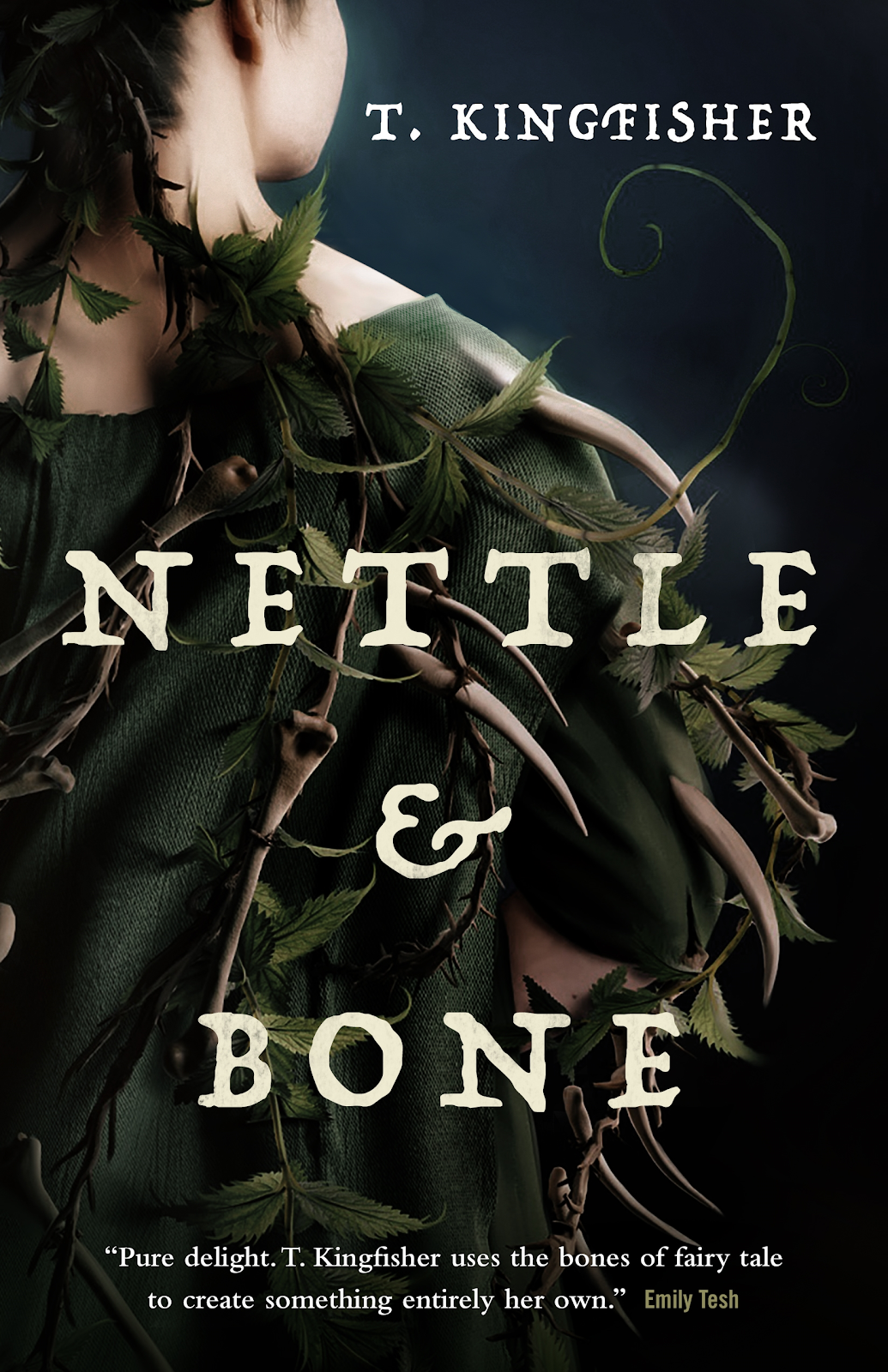
The Daughter of Doctor Moreau and Nettle and Bone were unexpected, though you were less surprised by T. Kingfisher than I was. My thing is that, with the exception of new authors, until you make the Hugo ballot I have a hard time predicting you for the Hugo ballot. Authors who have built a reputation of writing quality work but not making the Hugo ballot are tough to predict to make the ballot unless they have a real breakout novel. Seanan McGuire’s Middlegame was that novel after being nominated up and down the rest of the ballot for years, but until that novel broke out I’m not predicting McGuire for Best Novel.

Adri: Give or take a few Mira Grant nominations, but I agree that those are different.

Joe: On the other hand, you have Elizabeth Bear, a two time Hugo winner for her shorter fiction (and a two time winner in Fancast) who writes novels I often consider the best of the genre and the best of the year and whom I may never predict for Best Novel because until she breaks through in that category I don’t think she’s breaking through.

That’s where T. Kingfisher fell for me - she’s a hella prolific writer who is consistently good and has an impressive following. She’s been on the ballot three times before, winning once as T. Kingfisher (as well as winning a Lodestar Award) and twice more as Ursula Vernon - but she was never a finalist for Best Novel.

Until Nettle and Bone.

What isn’t a surprise is that Nettle and Bone is good!


Adri
: Nettle and Bone is indeed very good Kingfisher - practical women and unsentimental fairy tale telling with some solidly creepy stuff thrown in for good measure. Supernatural dogs are a fast way to my heart, and “Bonedog” was already in my skinny white whippet’s nickname rotation (as was “Noodle”, the name of the dog from Nona the Ninth - it’s a very Zag heavy ballot!), so that was a winner. Like much of Kingfisher’s work, this is a book that spends time on the margins of political power but focuses on the kinds of people who don’t want to wield it - in the case of Princess Marra, this is partly a requirement of her position, but Nettle and Bone is pretty firm on the moral toll of wielding fairy-tale-monarch power and makes it clear that this is no sort of happy ending for a woman who values her integrity.

I didn’t get around until reading this until it landed on the Nebula ballot, and even if I had read it during nominations I’m not sure it would have cracked my top five, but it’s my favourite of the works here, and I think it gives Kingfisher a great shot at her first Best Novel Hugo to go on her already well-populated award shelf.

Joe: I liked it a lot. It was a reminder that I should read more Kingfisher / Vernon because I’ve been delighted with just about everything she’s written.

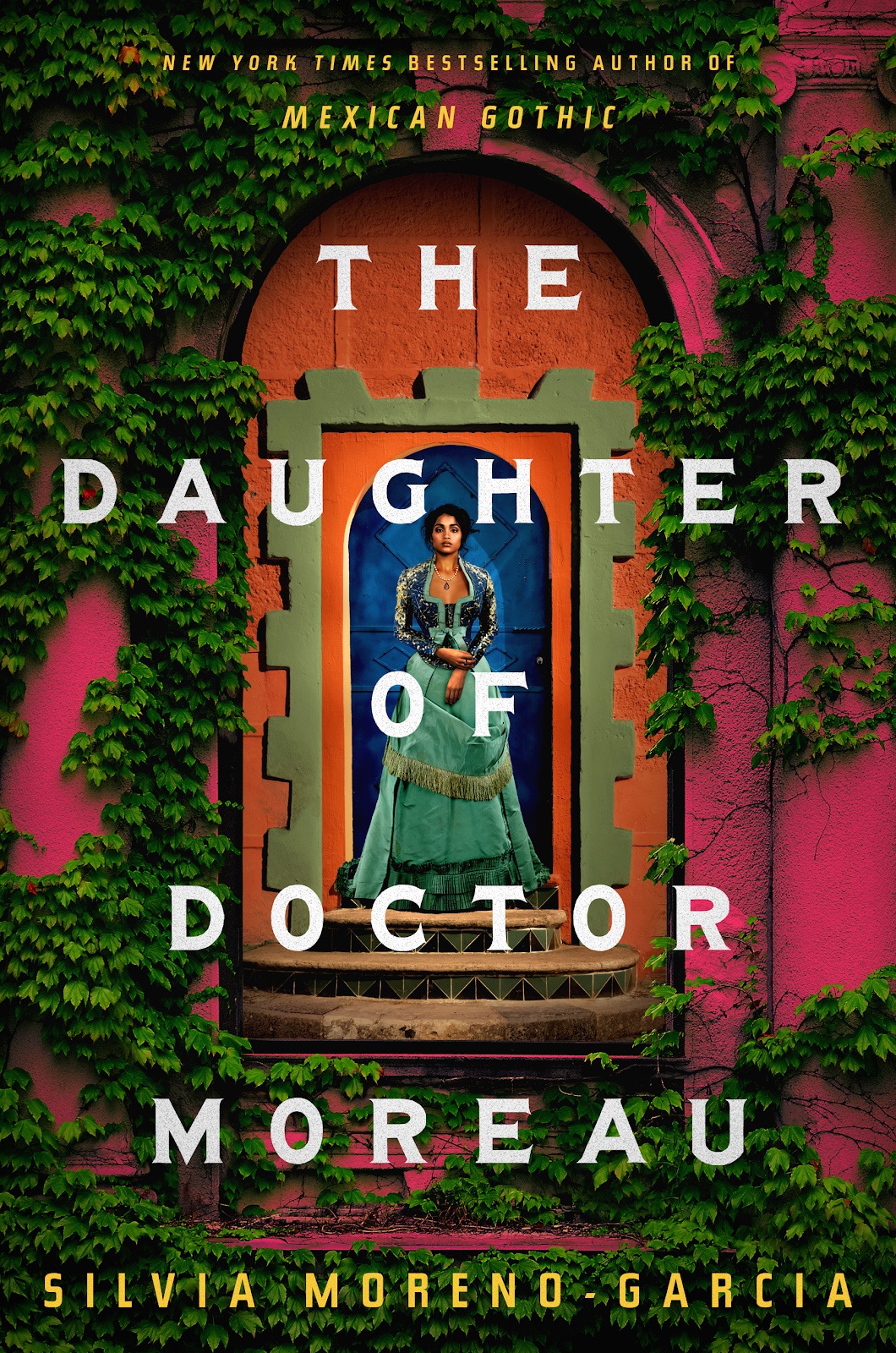
Adri: Which leaves the final book on the ballot, The Daughter of Doctor Moreau. I’m a huge fan of SIlvia Moreno-Garcia and I happily follow her into genres I wouldn’t normally have much to do with, but I put this one off because I’ve never actually read the H.G. Wells story that it’s based off. It turns out that’s not a big problem, since Wells’ work is archetypal enough to make everything obvious as long as you’re familiar with the concept. This story does what Moreno-Garcia does best, which is to ramp up the tension between people in a very claustrophobic environment (whether the characters are actually isolated, as here or in Mexican Gothic, or more emotionally isolated like Velvet Was the Night). That isolation is punctuated by glimpses of the outside world - through the arrival of Eduardo Lizalde, the dangerous son of Doctor Moreau’s patron, and through the shadowy threat of Maya rebels lurking deeper in the jungle - but most of the drama comes from interpersonal relationships, and the actions of Carlota Moreau, the titular daughter.

Unfortunately, The Daughter of Doctor Moreau didn’t do it for me in the way that Mexican Gothic and Gods of Jade and Shadow have, and I suspect that’s because the world here is too darn interesting for the souped-up love triangle between Carlota, Lizalde and Loughton (Moreau’s overseer) to be an interesting focus of attention. I know that keeping the wider politics of the Yucutan is a deliberate choice in this story, but it’s one that I found myself railing against for much of the novel, and it left me with less enjoyment for the actual story. Also, while Moreno-Garcia’s reimagining of Moreau’s experiments - and their undeniable personhood and agency in this story - are interesting from a literary standpoint, they aren’t particularly interesting from a science fiction angle. It adds up to something that feels like a cool literary experiment, but not like a top novel of 2022. Still, I’m absolutely delighted that Moreno-Garcia is getting noticed by the Hugo awards at last and I don’t begrudge this being the novel that finally does it for her. It’s in a solid second place for me.


Joe
: I also have The Daughter of Doctor Moreau in second place on my ballot, we just have very different #1 picks. Moreno-Garcia was another surprise Hugo finalist for me. Not because this novel isn’t worthy or that Silvia Moreno-Garcia hasn’t deserved a place on a Hugo ballot for a number of years, because it is and she has - but simply because I didn’t see Moreno-Garcia as an author who receives Hugo recognition. I’m happy she has.

I want to say The Daughter of Doctor Moreau is probably the most technically proficient novel on the ballot, but I’m afraid that’s going to suggest the “literary” quality of a book gives it more merit than - say, the easy commercial properties of John Scalzi or Mary Robinette Kowal - and that’s not quite what I mean because writing smooth, fast reading prose that propels a story can be as technically difficult as writing “serious literature”. I also don’t want to fully launch us off topic here.

What I am trying to say, though, is that The Daughter of Doctor Moreau is working hard to exist within the science fiction trappings of the original story of The Island of Doctor Moreau, but to reframe it away from a shipwrecked Englishman discovering Moreau and towards a tale of colonialism, family, and identify - while still very much being a Doctor Moreau story. It’s incredibly well done and it feels more “accomplished” than many of the other works on the ballot, for whatever that means. Sometimes I only have these vague ideas of how and why I’m slotting work together on a Hugo ballot. We’re ranking novels for an award and none of the finalists are anything like the rest.

Adri: And I think that brings us to the end of a marathon discussion! We’ve already talked about favourite books and omissions from this ballot a few times this year, so I don’t want to retread old ground too much, but it does disappoint me to think of all the things we could have had on this ballot but don’t. Of course, we’re late enough in the year that plenty of those books have been recognised already, but I wish I had more to look forward to when it comes to best novel announcement this year. I’ll have to hold my excitement for other categories.

Joe: It was a year! These extended Hugo seasons are weird, because I feel like I should be reading next year’s work and we’re still talking through last year - so let’s push on.

Wednesday, September 13, 2023

Adri and Joe Read the Hugos: Short Story


Adri
: So, how about those Hugos?

We’re starting with short story, which is unusual for us, and it also gives us a chance to dive into the category with the most Chinese works. All of these have been provided in translation, with two stories translated by humans (Regina Kanyu Wang’s Zhurong on Mars is translated by S. Qiouyi Lu and Ren Qing’s Resurrection is translated by Blake Stone Banks) and The White Cliff and On the Razor’s Edge translated by machine. Muddying the waters slightly, Resurrection is eligible on the basis of its translation being published in 2022, not the original story which was published in 2020. So we have three stories where the “definitive” text is in English, and three in Chinese, but both of us have read them all in English. Which immediately makes prose comparisons difficult, but at least we’ve been able to appreciate the whole ballot, for a given value of the word “appreciate”.

It’s also a great ballot for Hugo firsts - of the authors here, I’m pretty sure that only John Wiswell is a repeat nominee.

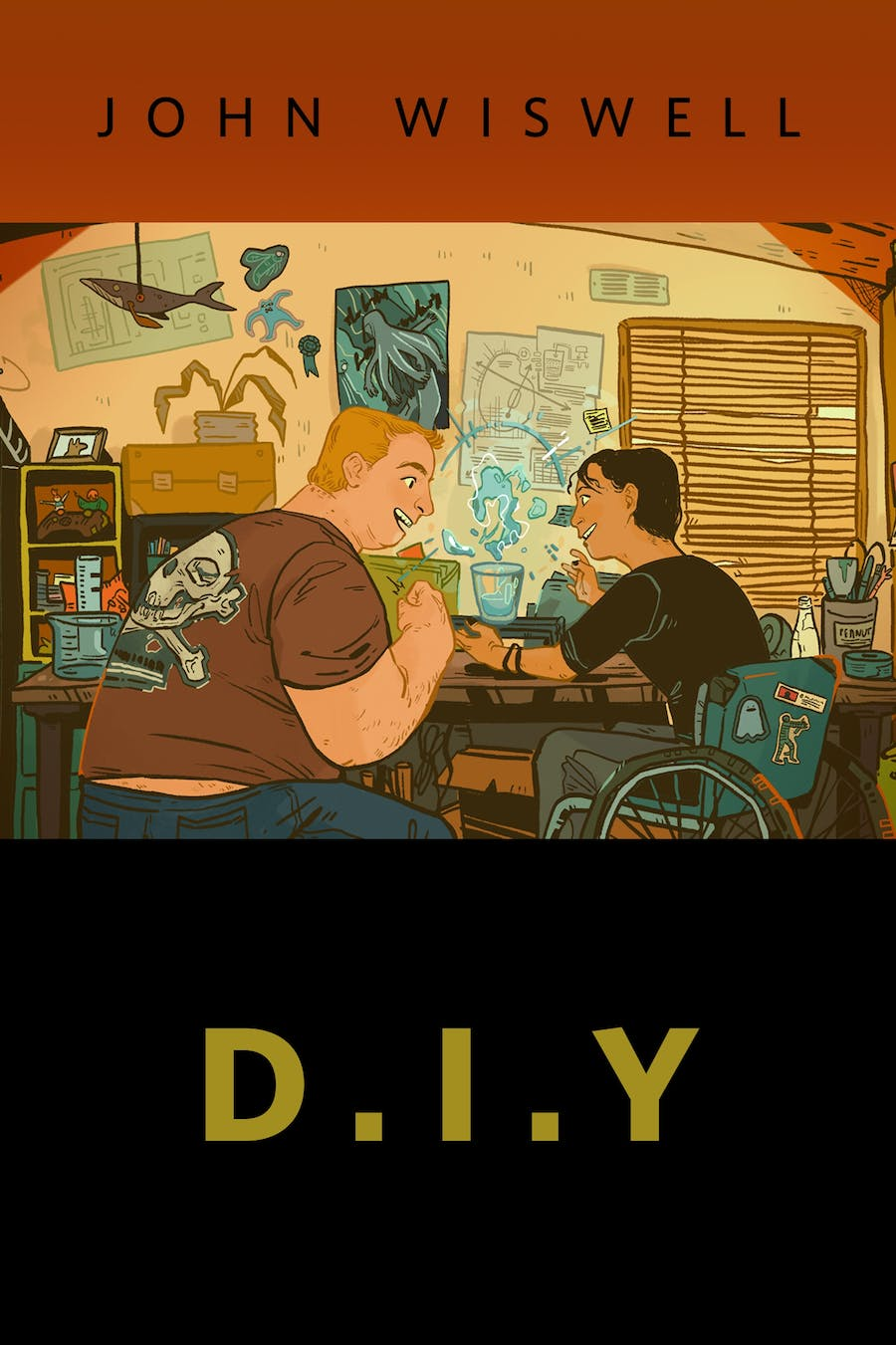
Joe: You are absolutely right, Wiswell is the only prior nominee. He was previously on the ballot in 2021 for the short story “Open House on Haunted Hill” and again last year for the novelette “That Story Isn’t the Story”. I feel like I’m a bit late on the John Wiswell train because I’ve been hearing great things about his fiction even before he really broke out a couple of years ago - but everything I’ve read from him has been absolutely top notch and “D.I.Y.” is no exception.

It’s not 100% my favorite Wiswell, but I think what works for me is the tone. I think “D.I.Y.” has something of what I think you’ll argue about when we get to Best Novel and Legends & Lattes - which is this really smooth tone that even in light of potentially serious subjects it reads really smooth and suggests that stuff is easier than it is (Legends & Lattes is a different conversation, of course) - but even though the water crisis of “D.I.Y.” and what is functionally a corporation only doing what is most profitable for the least good rather than what is less (but still) profitable for the most good - this is serious stuff, but Wiswell has a very light touch.

Adri: I wish I liked D.I.Y. more than I do, but I struggled with it on two levels. First, sadly, the more of Wiswell’s writing I read, the less I get on with his prose - everything seems to come in the same functional-but-not-spectacular conversational style, and there are some really weird word choices in here (one teen calling another a “chonky boi” as if he’s a large cat rather than a human being) that I didn’t really… get. Clearly I’m in a minority here, but this is increasingly not the kind of genre work that gets me excited.

Second, while I love the premise of this story - it’s great to see someone taking aim at the “some children are very, very special and get to go to special magic schools” concept - I found the execution quite shallow, especially since this is practically the only climate fiction on the Hugo ballot this year. The protagonists face hardship and discrimination, but the story shies away for showing that in any more direct way than having one of the kids refused a scholarship by a snooty wizard. There’s no weight behind the climate catastrophe, so the protagonists’ achievements in solving problems doesn’t land nearly as effectively as it should. Perhaps that’s the point, and it’s not the kind of story that’s “supposed” to hit hard, but there’s nothing else here that makes me go “oh this is why this story is more than just a cute diversion, awesome”. Alas.

Joe: Before we get to “Rabbit Test” from Samantha Mills, which - spoilers - is my favorite story (such as the word favorite can apply to that story and how hard it hits) on the ballot, let’s talk about the four Chinese language stories.

As you said, we’re reading these in translation and two of those translations were done by machine - so we really can’t have a true sense of how the stories would present to a native speaking audience and what could be said to be lost in translation. It’s impossible to know, but I’m rather happy that I have this opportunity to experience them at all and that the writers / publishers took the time to translate their work for us the English language fans.

Adri: We’ll never experience how well these works land in Chinese, so even for the human translated works I’m going to avoid talking too much about prose here, except to say that you can totally tell that one story was translated by an accomplished author in aer own right, a second was translated by a person going for maximum accuracy, and the others were translated by computers.

But there’s no getting around it: there are things here that sure didn’t land well with me. I want to start at the lowest point of my reading: “On the Razor’s Edge” by Jiang Bo. Either there’s a significant satirical edge getting lost in translation here, or we have a story on the ballot that would have been right at home in the Puppy era of short fiction nominees if it weren’t for its stridently pro-CCP protagonist. This is a space rescue, in which two astronauts aboard the Chinese space station receive a distress call from the ISS and are given permission by the appropriate committee to stage a daring rescue. The ISS astronauts are all Americans, foolishly still working aboard their crumbling station, and while most of the text focuses on the action of the rescue (a sort of mini-The Martian, complete with Andy Weir levels of geopolitical nuance), we do get to spend an infuriating amount of time helpless, passive female astronaut who spends the entire rescue weeping and being told what to do by men.

I’ve read a previous story of Jiang Bo’s as well: “Starship: Library” appears in translation in the Sinopticon anthology, and has an active, competent woman as its protagonist, so I can only hope that that story is a better indicator of the work he’s put out over a 20 year career. “Starship: Library” also has an edge of gentle humour, which adds to my hope that something is getting lost in translation, and this isn’t just a straight up “strong, patriotic man rescues helpless woman in space” throwback.

Joe: Now that we’re getting into it, “On the Razor’s Edge” is one of my problems (if that’s what I want to call it) with some of the Chinese language work on this year’s ballot. You say “Puppy Era” and you’re not completely wrong, but what I think of instead is that “On the Razor’s Edge” is one of several 1950’s-esque science fiction stories on the ballot.

I wish that someone could brain dump the last five years of Chinese science fiction into my head complete with the working knowledge of novels and the significant short fiction and the scope of what is on the ballots for the Galaxy and Chinese Nebula Awards. Just so I could know how representative “On the Razor’s Edge” and the other works on the ballot are.

There is a particular formality to the writing or to the translation that really feels like science fiction from another era. It’s not Asimov, per se, but it’s what you think about when you think about Asimov - the taking of an idea and playing with it, but doing so in fairly basic and straight forward terms. That’s what “On the Razor’s Edge” does for me and

That formality is also present in “Resurrection”, which I’ll admit doesn’t quite like a 1950’s American science fiction story, but it does have that weird formality to the writing (or translation) that doesn’t really work for me. But with that said. I think “Resurrection” may also be one of the most Chinese stories on the ballot in this category, at least in the idea that it relies more on a Chinese culture than an American one (or, presumably, a British one).

Adri: Resurrection is an intriguing idea: a synthetic version of a woman’s son is delivered to her upon her son’s death, and she has to make her peace with his loss while dealing with this weird, temporary technology and the unwanted attention it brings. But there was a lot hanging around in the margins of the actual story that I was more interested in than, say, the paragraph-long musings of the synthetic corpse about the infinite potential subdivisions of time. For a story that’s very grounded in a mother-son relationship, it’s hard to really grasp either the emotions of the characters or what either of them think about the repressive bureaucracy that resurrected Xinguang and what its agents might be trying to achieve. The effect left the story feeling somewhat hollow to me, and on a first reading I struggled to grasp the weight of the mother’s actions at the end and what her rebellion means in a wider sense.

Joe: It was a really cool idea, but I have it ranked last on my ballot - though I could easily swap spots between “Resurrection” and “The White Cliff” if it came to it.

Adri: I got on better with The White Cliff, and I’d love to see it get a proper translation, because I’d like to see how the story’s midway reveal works with intentional language, and what it intended to be obvious before the turning point. Like Resurrection, this is also a piece about the relationship between a parent and child, with a woman providing medical care for her terminally ill father. The technological innovation here isn’t mind-blowing, and there’s a lot left unexplored in terms of the ethics of use: the story seems to imply there’s a genuine answer to the question “what’s the most effective way to say goodbye to a dying loved one”, which I think is a non-starter. Still, I liked the imagery a lot and I felt a much stronger emotional connection to An and Yanli than to Xinguang and his mother in “Resurrection”.

Joe: Maybe it was the lack of proper translation for “The White Cliff”, as you said. It was deeply emotional but I think the translation held it back and kept me at a bit of a distance and kept the story from fully landing. As with all of the stories, I wanted to appreciate “The White Cliff” and I would love to know if it’s translation, storytelling, or cultural differences that is holding me back. The thing is - I’m a huge softie and stories that have those moments with parents and children and dealing with grief and letting go and acceptance really, really tend to work for me - even if just in the moment of catharsis, and usually it’s enough to overcome and flaws I found in a story. Here it wasn’t.

My favorite of the translated Chinese language stories is “Zhurong on Mars”, which is a fairly straight forward sentient AI / colonization story that reads like something I’ve seen before and I enjoyed it then and I enjoyed it now. I’m a basic science fiction sometimes and if there ever was a “core genre”, which is an entirely different conversation, “Zhurong on Mars” is straight up core genre.

Adri: This was also my favourite of the translated stories: as you say, it’s an idea that feels quite well trodden, but I liked the imagery and characterisation a lot and I think the way it handles self-actualisation and purpose in an emerging consciousness kept me firmly engaged. It still wouldn’t rate among my favourite stories of the year - there’s too much ponderous technological musing and not enough weird shit for me - but this story still spoke to me , and Regina Kanyu Wang is even more firmly on my radar now as an author to watch.

Which brings us, I think, to our joint favourite story: Rabbit Test by Samantha Mills. Do you want to kick off with your thoughts on this one?

Joe: I mentioned earlier that “Rabbit Test” was my favorite story on the ballot, though I’ll also note that the word “favorite” here is doing some work because it’s a really tough story to sit through.

It’s topical as hell, at least in the United States. I’m fairly US-centric when it comes to understanding what’s going on in other countries, but with the overturning of Roe v Wade last year and the end of a federally protected right to have an abortion this is something that’s been on my mind as it has with so many Americans (and likely others around the world, though I don’t want to assume that other people think about the United States nearly as often as folks who live here do).

The titular rabbit test was, somewhat to my surprise, a real thing and that makes sense, because of course women would want to know if they were pregnant as early as they could. I’m sure that’s common knowledge for people who aren’t me. As Mills wrote “all of those people just wanted to know, so they could plan either way. Because—” But, this isn’t a historical story about pregnancy tests. It’s a story of bodily autonomy, of government and societal control, of the fight to *choose* that has always been going on and maybe always will?

“Rabbit Test” jumps between times in glimpses and microstories within the macro story and it hits brutally hard. It’s not just the story Mills is telling, which is vital and immediate and important, it’s the power with which she tells it and even as the story ends it isn’t really over because it can’t be.
“It is 2084 and she is crying, “Our grandmothers fought so hard for this.”

It is 2206 and she is crying, “Our grandmothers fought so hard for this.”

It is 1878 and Madame Restell is bleeding to death in her bathtub rather than submit to another trial. It is 1821 and Asenath Smith is fleeing town in disgrace. It is 1972 and seven of the women of Jane have just been arrested in a raid. It is 2086 and Grace’s medical record has been officially upgraded to that most precarious of categories: potential to become pregnant.

It is 2022 and it isn’t over.

It is 2022 and it is never over.”
I certainly haven’t read most of the notable stories published last year but I have a difficult time imagining there are many that will have the impact and power of “Rabbit Test”

Adri: I have similar feelings about Rabbit Test: while it’s certainly very grounded in the Roe repeal and events in the USA, abortion rights are a pretty universal issue and threats to them are depressingly topical in a lot of places beyond America. As you say, this is a difficult story to “enjoy” in the traditional sense, but it’s extremely evocative and, while the central story takes a specific perspective, the “surrounding” stories brings out the multiplicity of experiences with pregnancy that vary by gender, race, class and family circumstances. It’s one of those rare short stories that felt like a shoo-in to me from the moment I read it (the buzz about it beforehand on social media helped), and it’s the absolute stand out for this category to me.

Joe: I agree. From my perspective, “Rabbit Test” is truly the class of the field here. The other stories are generally good to very good and we disagree on which are which, but “Rabbit Test” stands out as something special.

Do you have any final thoughts? Otherwise, I think we’re about ready to throw down and argue about the Best Novel finalists. I know we have some significant disagreements there.

Adri: Let’s do it!


Tuesday, July 11, 2023

Adri and Joe Talk About Books: 2023 Hugo Award Finalists


Joe: Well, this has certainly been an adventure of a year and even taking the pandemic related delays of Discon III into account, this has been a long Hugo season filled with anticipation. No longer! 

The 2023 Hugo Award finalists have been announced and Hugo Season can begin in earnest! Finally, all the rumors and guesses about what the ballot might possibly look like can be put to rest. We have a ballot and in many ways it is a fairly traditional one with a number of reasonable contenders in most categories. At the same time, there is Chinese language representation across the ballot. I don’t believe you or I had any real understanding of what is popular in Chinese fandom, so I know I’m excited to read those works when translations are available. 


Adri: Yes, congratulations to all the finalists and especially to all of the finalists publishing in Chinese who are on the ballot for the first time this year! I'm particularly delighted to share the fanzine category with two Chinese language zines, both of which look extremely cool and which I understand are vital to the Chinese SF scene. I hope we'll see lots of translation both ways so that as many of us as possible can enjoy all the finalists in their respective glory.

Starting from the bottom and working our way up, then: neither of us did particularly well at our predictions for Best Novel this year, though our collective surmise that it might be a repeat-heavy ballot were well founded. Legends and Lattes and Nettle and Bone provide Nebula overlap, and perhaps Nettle and Bone should have been less of a surprise given what a Hugo darling Vernon/Kingfisher has been in other fiction categories. I've said what I need to say about Legends and Lattes in our Nebula conversation, so let's leave that one there.


Two surprises, then: Silvia Moreno-Garcia is overdue for Hugo recognition, but I didn't think The Daughter of Doctor Moreau had the level of buzz around it to make it her "breakthrough". It's on my shelf at home and I'm looking forward to reading it. It's also surprising that Babel isn't on this list given its profile, and frankly I think it's a less powerful shortlist for the absence. It's hard not to speculate (i.e. it's possible it reached the threshold of votes but was withdrawn by Kuang) but I've seen so much speculation at this point, some of it verging on sinophobic conspiracy theory. So, instead of feeding into that I'll just hope Kuang is doing well, staying off certain websites (like this one) and enjoying the constant stream of other nominations, wins and accolades coming to her.


Joe: Absolutely! Based on how Babel had been performing in other genre awards, the amount of discussion I’ve seen elsewhere in genre (that nebulous “buzz”), and just how wide it seems to have penetrated the wider literary conversation tells me that it was a real breakout novel. Its exclusion was probably the biggest surprise of the entire Hugo ballot and I guess we’ll find out how everything shook out when the nomination statistics are released after the awards are presented in October. It *seems* likely that Kuang recused, and if so she is more than within her rights to do so for any reasons she might have and those reasons are frankly none of our business. If she didn’t recuse, I can only assume Babel missed the ballot by 1 vote. It’s a staggering omission if Babel didn’t have the votes - but hey, each year’s electorate have their own tastes and preferences and it’s not like they ever traditionally match up with mine anyway.

The other major surprise across the entire ballot is, as you mentioned, Silvia Moreno-Garcia. The Daughter of Doctor Moreau wasn’t part of my predictions because you’re right, it hasn’t had the same level of buzz as some of the other finalists and Moreno-Garcia has not been truly on the Hugo Award radar. Honestly, I figured if Mexican Gothic didn’t break through then this wouldn’t either. With that said, I’m incredibly excited for her and I’m a little behind on some of her more recent novels so I’m ready to catch up with Silvia Moreno-Garcia. As of this conversation I have it on request from the library and it’s already on its way for me to pick up. 


Adri: She's also the only author of colour on what is otherwise a white dominated shortlist.


Joe: At this point, I don’t think we need to talk too much about Tordotcom’s Hugo Award dominance with novellas (4 out of 6 this year), but the thing is that they are generally all really good if generally predictable. We’ve seen Seanan McGuire, Nghi Vo, and Alix E. Harrow here in this category before. McGuire and Vo are both previous winners (for truly excellent novellas at that). I’m a fan of all three of their novellas this year, so that’s certainly not a complaint. Just a statement about a potential lack of nominating imagination. The only Tordotcom novella I have not read yet is Even Though I Knew the End, from C.L. Polk. 

Tor is also on the ballot with their Tor Nightfire line and a T. Kingfisher story, What Moves the Dead, which I am much less familiar with. This is a big year for Kingfisher / Ursula Vernon in the fiction categories. Finally, Adrian Tchaikovsky is on the ballot for Ogres, which at least certain of our friends have been banging the drum for very hard. 


Adri: I love some of the books here - Even Though I Knew The End in particular was wonderful - but novella continues to be one of the least fresh categories to me: 5 out of 6 Tor (even if one is a Nightfire) and all of the authors are repeat nominees. We'll hopefully talk about this more, but having novella dominated by series entries for the same few authors by the same publisher is doing the medium a disservice, in my never-very-humble opinion.


Joe: For sure, and that’s a later conversation that I think we will absolutely have.

I haven’t been keeping up with the short fiction scene, so what I can say about Novelette and Short Story is that I’ve heard good things about John Chu’s novelette “If You Find Yourself Speaking to God, Address God with the Informal You”, John Wiswell’s short story “D.I.Y.”, and “Rabbit Test”, from Samantha Mills. “Rabbit Test”, specifically, was one of the most buzzed about stories that hit my radar. 


Adri: I'm absolutely delighted for Wole Talabi's "A Dream of Electric Mothers" in novelette (one of only a few works by Black authors which made the ballot this year) and I really enjoyed S.L Huang and Samantha Mills' stories too. I would have liked to see Ai Jiang and/or Filip Hajdar Drnovsek Zorko in short story, but I'm very excited for Lu Ban, Ren Qing, Jiang Bo and Regina Kanyu Wang for what I'm pretty sure are first Hugo nominations for each of them (I may be forgetting something that Regina Kanyu Wang has translated, apologies if so!)


Joe: Moving on to Best Series, I’m really excited about this category. This year there are two long running series, and while I know Seanan McGuire has been on the ballot every year of the category’s existence and her October Daye series has been on the ballot each year it has been eligible - it is also the exact sort of work this category should be celebrating. Long running urban fantasy are almost certainly never going to be recognized in Best Novel (Jim Butcher and extenuating circumstances aside) but this category can recognize the series as a whole in ways that the Hugo Awards never will do so anywhere else. 


That’s a long way to say that this is the right place to recognize October Daye as well as Ben Aaronovitch’s Rivers of London series, another urban fantasy. Actually, had Rivers of London not been nominated this year it would be a very strong potential finalist in Scotland next year. October Daye is coming off of a very strong novel in Be the Serpent, which is a nice punctuation to the series as a whole. 

In trilogies, we have Adrian Tchaikovsky’s Children of Time which I’ve heard nothing but amazing things about but because he seems to publish a new book every time I turn around I find it daunting to get into his work. We have The Founders Trilogy from Robert Jackson Bennett, another work I haven’t read but I’m more familiar with Bennett’s other novels and he’s a fantastic writer and I’m excited to get into this one. Then we have Naomi Novik’s Scholomance, a series perpetually mis-shelved in the Lodestar but of which I did enjoy the first book. Finally, there’s the Locked Tomb not quite a trilogy now that Tamsyn Muir split Alecto the Ninth and gave us Nona last year. Honestly, being one book from the end I would have held off until the final book before nominating but most series have limited opportunities at a Hugo so I can’t fault the voters in putting Muir on the ballot now. 


Adri: By now, I think it’s clear that Hugo voters as a collective aren’t going to “hold off” and tactically vote for a series to be on the ballot at some technically optimum point of completion, and I’m fine with that for several reasons. First, there’s the weirdness of assuming Hugo voters do collective action at all, second, there’s the fact that the award has only gone to a completed series once in its history (with the Vorkosigan saga) so it clearly doesn’t disadvantage a series to be on the ballot before its author says it’s finished. Finally, as Nona’s publication history shows, a series can be a nebulous thing, whose shape can look very different to how an author plans, and with eligibility being as weird as it is in this category, I wouldn’t want to assume that another year is going to be better or worse for a given nominee unless it’s very much “completed trilogy, now’s your chance”. In theory, The Locked Tomb being on the ballot now means that if it doesn’t win this year, it won’t be re-eligible after the planned fourth-and-final volume comes out - but what if the fourth volume isn’t Alecto but a side novella or a second unexpected spin-off, and people leaving it off the ballot this year stopped it from having a hypothetical second chance at eligibility after Volume 5? We don’t know, and it quickly gets silly to speculate, and that’s why I think it’s a good idea for voters to put series on the ballot when they’re eligible and they think the series is award-worthy, regardless of its completion status. (It’s entirely possible I have said something different to this in the past, and I’ll no doubt be cranky when we get an incomplete Best Series winner that gets super bad in future volumes, but these are my current thoughts.)


Joe: No, you’re absolutely correct about that. And as we’ve discussed before, a Hugo window can be incredibly tight and in the case of series, what if for some freakish reason we get new volumes in The Wheel of Time, A Song of Ice and Fire and something else pops off and suddenly The Locked Tomb doesn’t make the ballot with Alecto? Get your nominations when you can. 

Adri: Anyway, my reaction is that this list is good-to-excellent, unsurprising, and extremely white. Ken Liu’s Dandelion Dynasty series feels like a particularly egregious omission. That said, I’m really very happy to see the Children of Time trilogy here: Adrian Tchaikovsky does indeed write a lot, but this is my favourite of his series by some margin and it’s nice to see him “break through” into more Hugo recognition having been a staple of the UK genre scene for a long time.


Joe: I could be off base, but The Dandelion Dynasty seems like it came back very quietly after five years between books 2 and 3 and it didn’t have the same buzz it did after The Grace of Kings debuted. That said, I would have liked to see Liu get that Hugo recognition but the number of writers who I want to have additional Hugo recognition is long and distinguished.


Adri: In Lodestar, the first thing I notice is Naomi Novik’s insistence, once again, in taking up space in a YA award that she should know damn well she isn’t eligible for and have the basic respect for the category to stand aside in. It’s unsurprising that she hasn’t suddenly changed her mind on this, having been here twice before, but nevertheless very disappointing. Otherwise, this is a cool ballot and my heart is very much behind Rachel Hartman’s In The Serpents’ Wake, for all I enjoyed everything else I read in the category too. Catherynne M Valente’s book here is new to me, and unfortunately I don’t think it’s available in the UK, but it’s not surprising to see her here and I did enjoy the Fairyland books so I’m intrigued by this one.


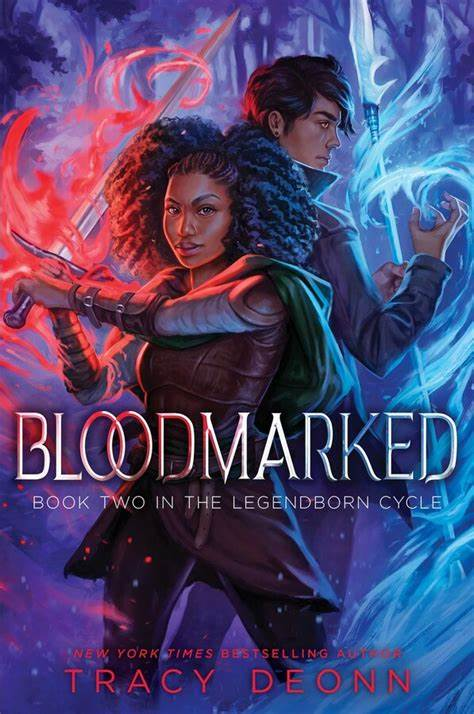
Joe: As a general rule and specifically in relation to this year’s Lodestar, I’m less familiar with the YA offerings outside Scholomance, which I briefly touched upon when talking about Series, at least in that I haven’t read anything on the ballot but I’ve read previous books from most of the writers. I’m excited to see Tracy Deonn back on the Lodestar ballot. I really enjoyed Legendborn and had planned to read Bloodmarked anyway. I’ve picked up Valente’s Osmo Unknown and the Eightpenny Wood, which is a book I haven’t even heard of though I’ve read a number of Valente’s adult novels. 

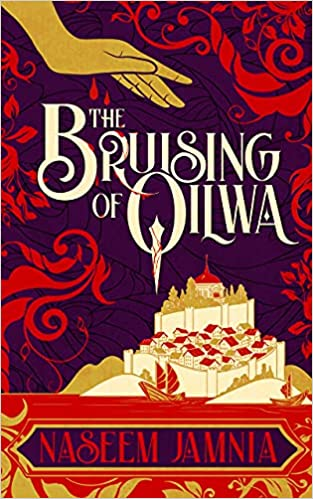
Adri: In the Astounding Award, I’m always absolutely delighted to see authors break through on the strength of short fiction and Isabel J. Kim is a fantastic writer and Subjective Chaos Award winner. Embarrassingly, I was not aware they had only been writing since 2021 and was eligible here, so I’m very pleased other voters were paying attention! It’s also great to see Naseem Jamnia, whose novella The Bruising of Qilwa is really powerful stuff and deserves all the recognition, on the list.


Joe: Most of the Astounding writers are new to me. Obviously, Travis Baldree had all the buzz for Legends and Lattes, and I had previously read Everina Maxwell’s Winter’s Orbit, which was an absolute delight. I’m excited to discover everyone else, especially Naseem Jamnia.

Adri: I don’t have strong feelings in the more visual-fictional-things categories. Based on the early release, I thought we would be having a year off from Marvel, but Wakanda Forever has made the Best Dramatic Presentation Long Form Category in place of the Andor season nomination, and She-Hulk is now in Best Dramatic Presentation Short Form in place of one episode of Severance. I’ll probably give Graphic Novel a miss this year, since I have zero interest in reading Cyberpunk 2077 or Dune.


Joe: I just finished the latest Monstress collection and I know I’m fully in the minority here but that is just not a series for me and every collected volume has been a Hugo Award finalist (with the first three winning). Not that I’m obligated to read every work on the ballot, and the other Hugo nominators obviously love Monstress but it’s a struggle.


For the rest of the category, I’m interested in Once and Future, Supergirl, and the return of Saga, Olav from the now three time finalist Unofficial Hugo Award Book Club Blog has been talking up Supergirl for the last year, so I’m excited for that one. Dune and Cyberpunk seem like slightly unusual choices, so okay. 


Adri: Once again, Best Related Work is heavily non-fiction this year, mostly of the book variety. I am delighted that S.L. Huang’s "The Ghosts of Workshops Past", a deep dive into the history and impact of writers’ workshops is here: it’s a fantastic piece, and one which sparked a lot of good and in some cases very overdue conversations about how the methodology of critique that dominates these spaces is disproportionately hostile and damaging to BIPOC writers.

The other work that’s interesting to me is the Buffalito World Outreach Project, which is an attempt by Lawrence M. Schoen to get his short story "Buffalo Dogs" translated into as many languages as possible. I’m fully down with the concept of translation being a best related work, especially after we saw Maria Dahvana Headley’s Beowulf translation take the category in 2021. However, the nomination isn’t credited to any of the Buffalo Dogs translators (who, I infer from the website, are generally doing this as a personal favour and not being paid for their work), but to Schoen himself? The only way I can read this is that we’re supposed to be judging the author’s process of outreach, and the concept of “it’s one story but it’s in a lot of languages”, not the actual translations. That doesn’t really sit right with me, and I’d have far preferred to see the translators credited for this work alongside Schoen as coordinator, even if judging those translations as a whole would be practically impossible given all the languages involved.


Joe: That’s how I’m reading the title and even content of the Buffalito World Outreach Project. It’s the “outreach project” part that is key. Even in the light of Beowulf, the Buffalito World Outreach Project feels like a bit of a stretch for the category but it is a related work. I think we are certainly not intended to evaluate the story but more the concept of the outreach to translate the story. 


I’ve started reading Wil Wheaton’s Still Just a Geek, which is a weird artifact of an annotated version of his previous memoir. But what I’m excited about here is Blood, Sweat, and Chrome - Kyle Buchanan’s story of the making of Mad Max: Fury Road. I’ve seen a ton of buzz for that and I’ve been meaning to read it since it was first announced. 

As a general rule I prefer Related Work to be primarily written non-fiction with a further preference for book length work - so this category works for me. As with other categories with Chinese language works I’m very much hoping for a translation of Chinese Science Fiction: An Oral History, Vol 1 to be in the voter packet. That is full on part of my interests. 


As a general rule we don’t spend a whole lot of time talking about the fan categories, but we’re probably burying the lede by not acknowledging that we are on the Hugo ballot for a (staggering) sixth time. It remains intensely awesome every time we get that notification e-mail and we get to continue to be an active part of the Hugo Awards, which we’d obsess about whether or not we’re on the ballot. 


I would say a light-hearted “Go us!” but what I really mean is some of what we said in our Thank You article, which is that we have a really great group of writers and while it is traditionally the editors names on the Hugo Award ballot the work that gets us here is done by the full team and that should never go without being said. 

The other thing that I’m excited about with this year’s nomination is that we get to share it with our awesome crop of new editors Paul Weimer, Roseanna Pendlebury, and Arturo Serrano. They’ve been much of the heart of Nerds of a Feather the last several years and it is incredibly satisfying to have them share in this in an official category as Hugo Award Finalists. Paul has been on the ballot in Fan Writer and as part of the Skiffy and Fanty Fancast team, but this is his first Fanzine nomination. He needs to do some officially fannish photography so he can get a Fan Artist nomination and then be a finalist for every fan category currently in existence.

This is the first ever nomination for Arturo and Roseanna and I am so, so glad they are getting that recognition. 


Adri: Yes, all of the above. I’m so very proud of our team, and all we achieved last year, and it’s an absolute honour to not only be on the ballot again but to be sharing it with our expanded editorial gang. Disappointingly, some of our peers in fanzine and semiprozine have been denied this, through the award administrators’ insistence that teams can only have a maximum of 7 names on the ballot this year. This is, quite frankly, bullshit, especially when all that is being asked for is a name on a spreadsheet and a website, and larger zines like Strange Horizons have made it clear that they don’t expect their entire staff to be at the ceremony and have offered to foot the bill for other finalist perks (i.e. commemorative pins and certificates) to be sent to their staff. 


It would be lovely to go a single year without the people in charge of one of the biggest awards in genre - and one of the only ones which offers recognition to fans - undermining the experience for some or all of us. That said, Chengdu Worldcon has made it pretty clear they aren’t taking feedback on a lot of their decisions - having Russian nationalist genocide supporter Sergei Lukyanenko as guest of honour being another notable kick in the teeth - so it looks like we have to eat the Hugo sandwiches with whatever proportion of shit they get served with this year. “It’s an honour!”, I say again, my right eye only slightly twitching.


(Seriously though, it IS an honour, because you readers and nominators are the ones who make it so. Once again, thank you.)


Joe: To that point, and partially circling back to our brief musings on whether or not R.F. Kuang declined a nomination for Babel. As I noted, we should only expect to find that out when the longlists are announced with the nominating and finalist voting statistics and I had thought that would be the end of the conversation and that wouldn’t tie into the the more controversial elements of this Worldcon because it’s one of those things that people who decline nominations just don’t talk about. 


Except that S.B. Divya has recently shared that she declined two spots on this year’s Hugo ballot. One was her place as part of Escape Pod as co-editor. The other, though, was her story “Two Hands, Wrapped in Gold” had received enough votes to be on the ballot in Best Novelette. Divya shared her reasons in her public statement, but the reasons boiled down to a full non-participation in this year’s Worldcon in protest of “China’s treatment of the Uyghur people in Xinjiang” as well as the convention honoring Sergei Lukyanenko as Guest of Honor. Divya notes that Lukyanenko is “an apologist for Russia’s invasion of Ukraine, another act of aggression that I cannot support”.


Adri: That’s a really difficult decision to make and I massively respect Divya for doing so. There are ethical issues around this Worldcon that should be impossible to ignore - I’ve made personal  decisions around participation as well, though not ones I want to get into - and it sucks. I respect everyone who is more publicly grappling with it, especially since Divya and others I have seen talking about this make the distinction between Chinese fandom, and the wider context of having a Worldcon in the PRC, rather than conflating the two.


I don’t think this is the only struck-through nomination we’ll see when the data comes out - but that’s a conversation for October.


Joe: It is. I love digging into the numbers anyway, and all that changes now in the absence of other public statements of declination is that we understand there is a greater potential of more declined works in the long list. 


This is probably a good place to close things out because I’m not sure how we follow it with anything of real substance. Next time we chat will probably be when we start diving into individual categories. 


Adri: For all the shenanigans so far, I’m still really glad we’re back in Hugo season again and my TBR is filled with interesting stuff to talk about. See you soon!