: Yeah - I don’t want to lead off with a disappointment (and I am very much looking forward to how Tamsyn Muir pulls everything together for
because even though this one book didn’t work for me (in a way that Gideon and Harrow very much did), the Locked Tomb novels are dripping with ambition. Muir is absolutely going for it, even though I have no idea what “it” is at the moment.
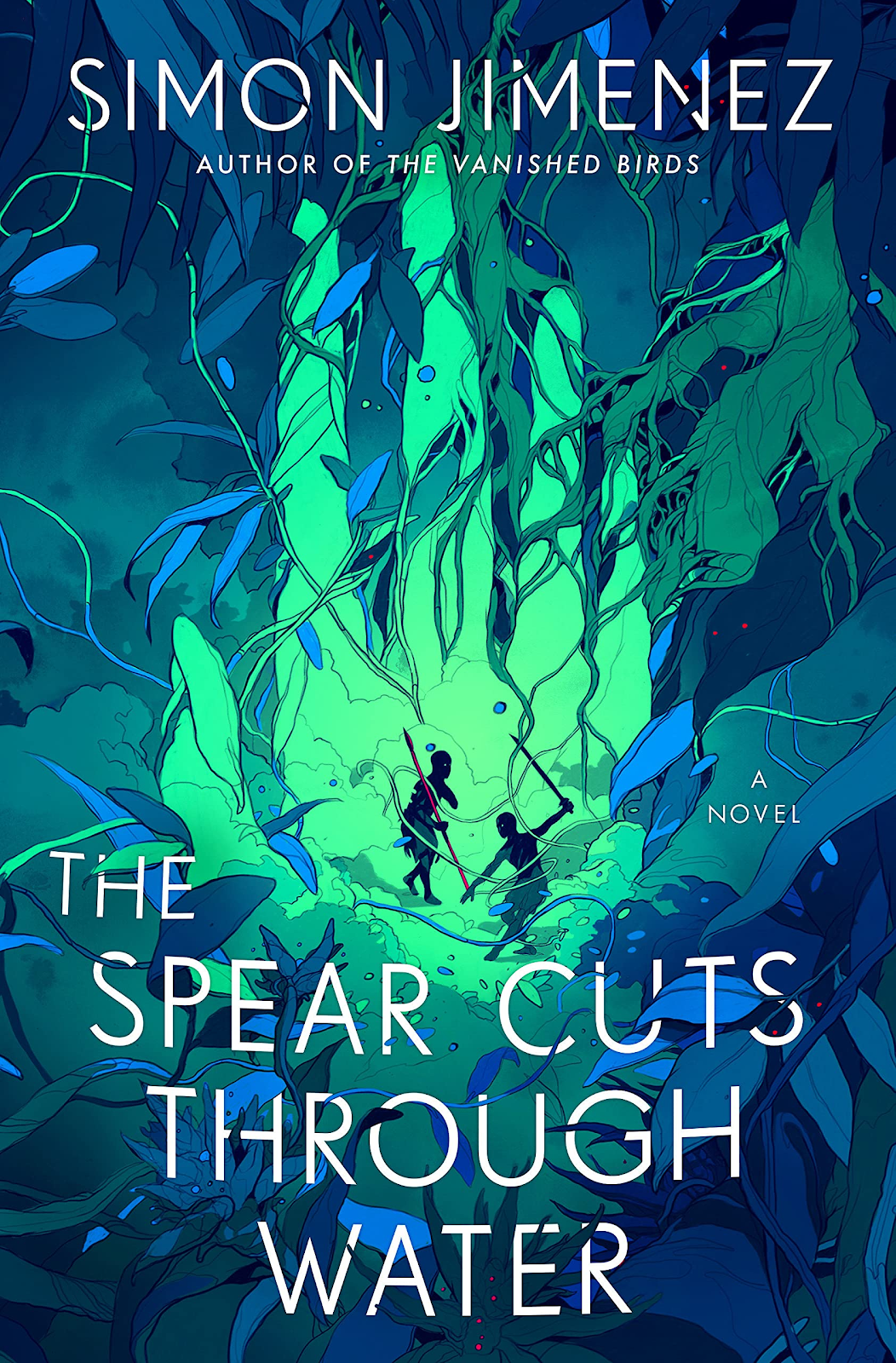
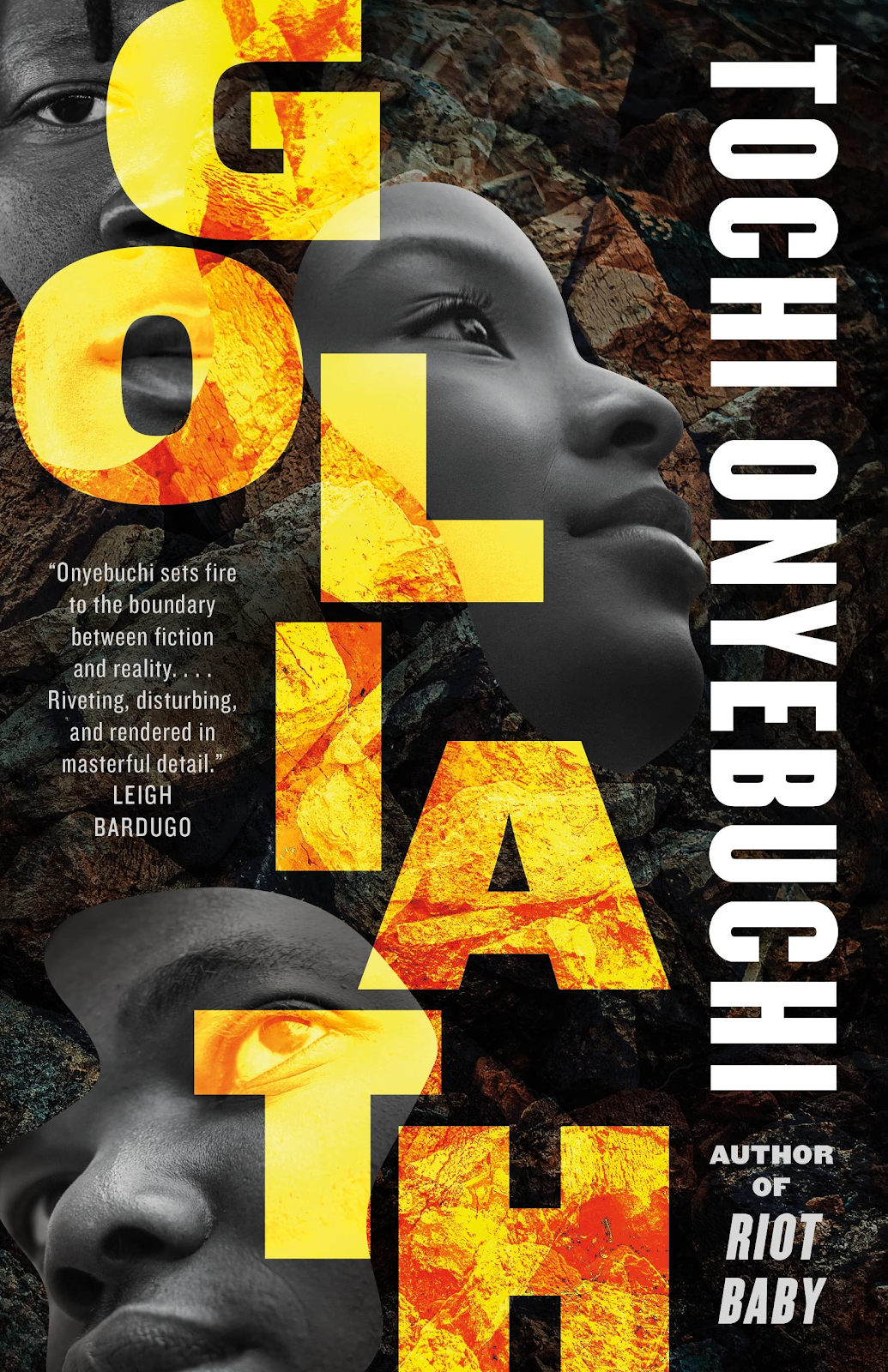
Goliath and The Spear Cuts Through Water are two books that I missed and absolutely plan to get to, especially if Goliath ends up on awards ballots this year.
Adri: I can’t recommend either of them highly enough. Both feel very unusual among modern speculative fiction - The Spear Cuts Through Water is an omnisciently narrated story-within-a-story that plays with representing the storytelling conventions of theatre in prose, and Goliath is a very literary-feeling exploration of characters in a post-climate-collapse gentrification setting. And Babel is R.F. Kuang refusing to pull her punches in a colonial setting for 500 pages straight, which is awesome. She perfectly captures the sadistic streak in the way that institutions like the University of Oxford (and colonial society more generally) uphold “tradition”, and explores what it feels like to oppose those institutions simply by existing, and it makes for a hell of a ride.
Joe:
Babel is excellent. It’s got all of the rage from Kuang’s Poppy War novels but released in a very different and academic way that works.
I would like to note that every book on my unpublished list of the Top Nine Books of 2022 are on the Locus Recommended Reading List - which is either a way to say that *I* have fantastic taste (which should be obvious to one and all) or that the Locus reviewers and editors who put together the list also have fantastic taste.
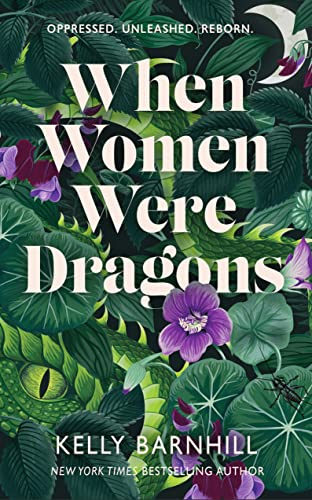
Three of my favorites were When Women Were Dragons, A Half-Built Garden, and Sweep of Stars - three books which couldn’t be more unlike each other. Kelly Barnhill’s When Women Were Dragons is particularly searing. It’s her first novel for adults (after winning the Newbery Medal for the sublime The Girl Who Drank the Moon and bringing the heat last year with When Women Were Dragons along with The Ogress and the Orphans, a novel very much for this time) and it is absolutely everything.
Adri: I read When Women Were Dragons just a couple of weeks ago on your recommendations, and I was impressed despite its limitations (i.e. being a book about gendered oppression in 1950s and 1960s USA that has nothing to say about race). The way Barnhill takes a simple and “out there” fantasy premise - that people, almost always women, can metamorphose into dragons under certain circumstances - and uses it to bring out themes around gendered oppression, queer love and family… it’s an example of what speculative fiction does best. It’ll be interesting to see where this ends up on awards lists, if it does so, since it’s published by an adult imprint in the USA and a YA imprint in the UK. On the basis of the US publication coming first, we have it on our adult list and I think this is where it fits best. However, given Hugo voters’ collective penchant for seeing a school-age protagonist and immediately assuming YA (hence why we’ve had Scholomance, a firmly adult series, in the Lodestar for two years), we might see this in Lodestar and I’m less uncomfortable with that than I am with the previous example.
: I really think it’s going to be too much to ask for
When Women Were Dragons to be on the Hugo ballot in any category - but given that I *really* love Kelly Barnhill’s work I would be quite chuffed to see
The Ogress and the Orphans on the Lodestar - which is a legitimate work for younger readers and is a novel about kindness and decency in the face of systematic oppression and lies.
It’ll be on *my* Hugo nominating ballot, but if I had to guess we might see it on the Nebula ballot and the World Fantasy ballot. I’ll be shocked if it’s a finalist for the Hugo - and that’s even before we get into trying to figure out what impact (if any) this year’s Worldcon being in China might have on the final ballot.
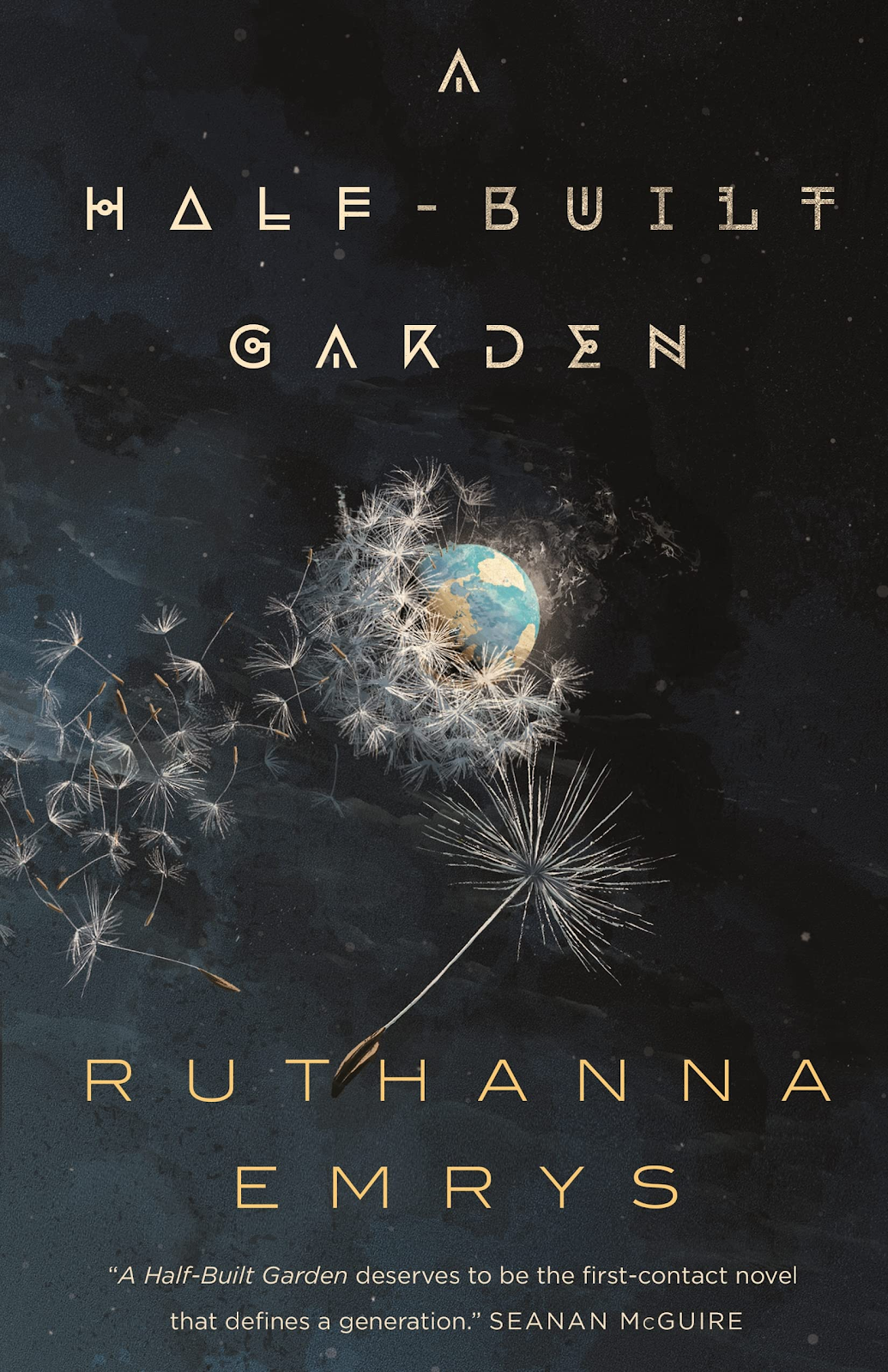
A Half-Built Garden is a nearish future first contact novel set on an Earth recovering from climatological disaster. It is a quietly thoughtful science fiction novel that hits one of my favorite aspects of the genre - those novels that focus on the big ideas through interpersonal relationships. Emrys looks at ways humanity can progress ecologically and find a balance to rebuild a livable world, and does it in the face of (as always) corporate interference and the impact of that aforementioned first contact with an alien species. I enjoyed Emrys’ two previous Innsmouth Legacy novels (despite giving no fucks about Lovecraft) and this is something quite different and, a bit of a leveling up for the author.
Another book I loved was Sweep of Stars, from Maurice Broaddus, which is an excellent novel in its own right, but I had the absolute pleasure to read Sweep of Stars on vacation in Mexico last year, often with a sunset view overlooking the Bahia de Mujeres - though I’ll admit I occasionally had a difficult time looking up from the book to admire the view. Sweep of Stars deals with the struggle of the interstellar Muungano Empire as it faces upheaval in its leadership and considerable threats from within and without to destroy the power of Empire. I was blown away by this novel. I’ve been aware of Broaddus for years, but had never read his novel length work before. Sweep of Stars is the first of a potential space opera trilogy and the only disappointing thing about it is that I didn’t (and still don’t) immediately have the next book in my hands seconds after finishing this book.
Adri:
Sweep of Stars is still on my to-be read shelf but I’m hoping to fix that quite soon. I’m only sorry I won’t be able to read it on a beautiful Mexican vacation.
The Daughter of Doctor Moreau,
The Scratch Daughters and
Bloodmarked are also on that list.
Joe: I’ve been *waiting* for The Scratch Daughters. The Scapegracers was *so* good.
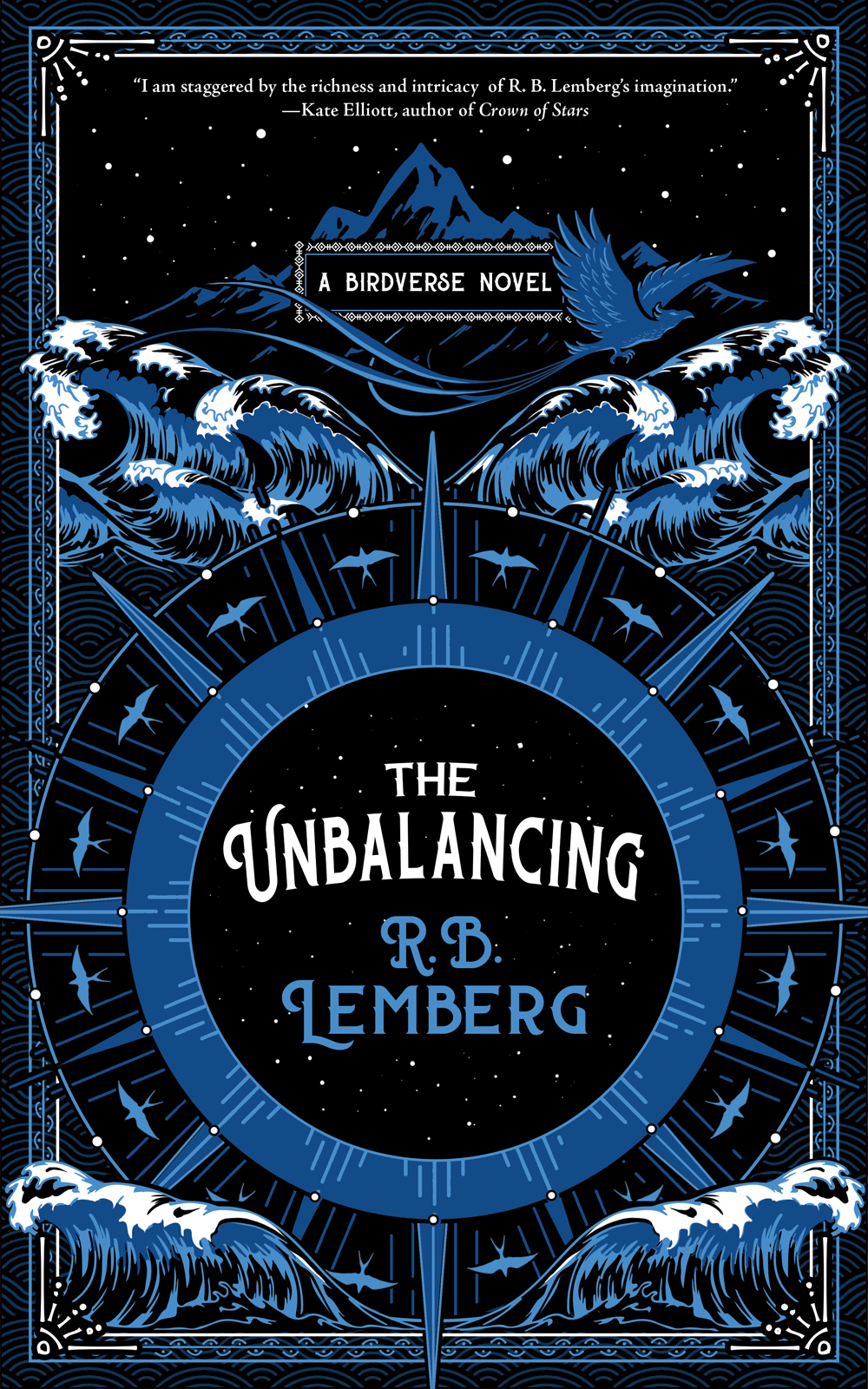
Adri: There are also several books here by authors whose work I am more familiar with in short form. The Unbalancing by R.B. Lemberg is the first novel-length Birdverse work and it’s a brilliantly told tragedy. Aliette de Bodard has published plenty of other novels but The Red Scholar’s Wake is her first novel in the Xuya universe, whose short fiction entries have picked up various award nominations and wins over the years, including a Hugo nomination for best series. Neon Yang’s Tensorate series was criminally underrated by awards voters and it’s exciting to see The Genesis of Misery in the first novel list. And Saint Death’s Daughter by C.S.E. Cooney is here as well! I’m not sure I would predict any of these books for the Hugos (I really hope we see The Unbalancing in the Nebula awards but it feels like a long shot for the Hugos) but I sure am glad to see them here.
In fact, there’s only one novel I expected to see here that isn’t: Her Majesty’s Royal Coven by Juno Dawson, which is a very, very timely take on witchcraft and sisterhood and the vicious bigotry of those who exclude trans women and girls from those spaces. Perhaps it’s because it’s a more UK focused book, but I’d have liked to see it highlighted here.
Joe: If I recall my podcast listening correctly, Locus does have a couple of UK only publications on their list - but it is a harder bar to clear when fewer of the compilers of the list had less of an opportunity to encounter the book if they weren’t assigned it for review. Though - my library does have copies of it, so it was published here in the States, so I don’t know.
Adri: I see more omissions further down the list, particularly when it comes to novellas: once again, there are plenty of tor dot com options, and there are also imprints I need to check out (PS Publishing’s Absinthe line looks very intriguing, and that’s a UK publisher) but I’d have liked to see some of the excellent novellas by Luna Press and Neon Hemlock on here too. Maybe it’s because we’re all conditioned to do a “Tor dot com percentile count” whenever we see a novella recommendation list (and to be clear there are some outstanding novellas published by Tor dot com this year, like Even Though I Knew The End by C.L. Polk) but the non-Tor exclusions always strike me more because of that domination. Then again, I have no idea whether these are titles that the reviewers haven’t read, or that they read but just didn’t think were that great - which has also been known to happen.
Joe: Since the Locus list helps give shape to how we consider the award season - what are your early thoughts for what we might see on awards ballots this year?
As I said at the start of this - I don’t have any sense of the shape of this year’s most notable books.
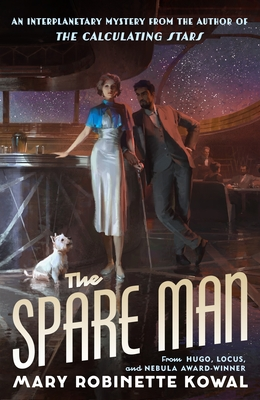
It’s not unreasonable to consider some of our more established writers who have had awards recognition in the past, even if you and I don’t think they did their best work last year. So, I wouldn’t be shocked if we see The World We Make (Jemisin), The Spare Man (Kowal), or Nona the Ninth (Muir) receive awards recognition this year.
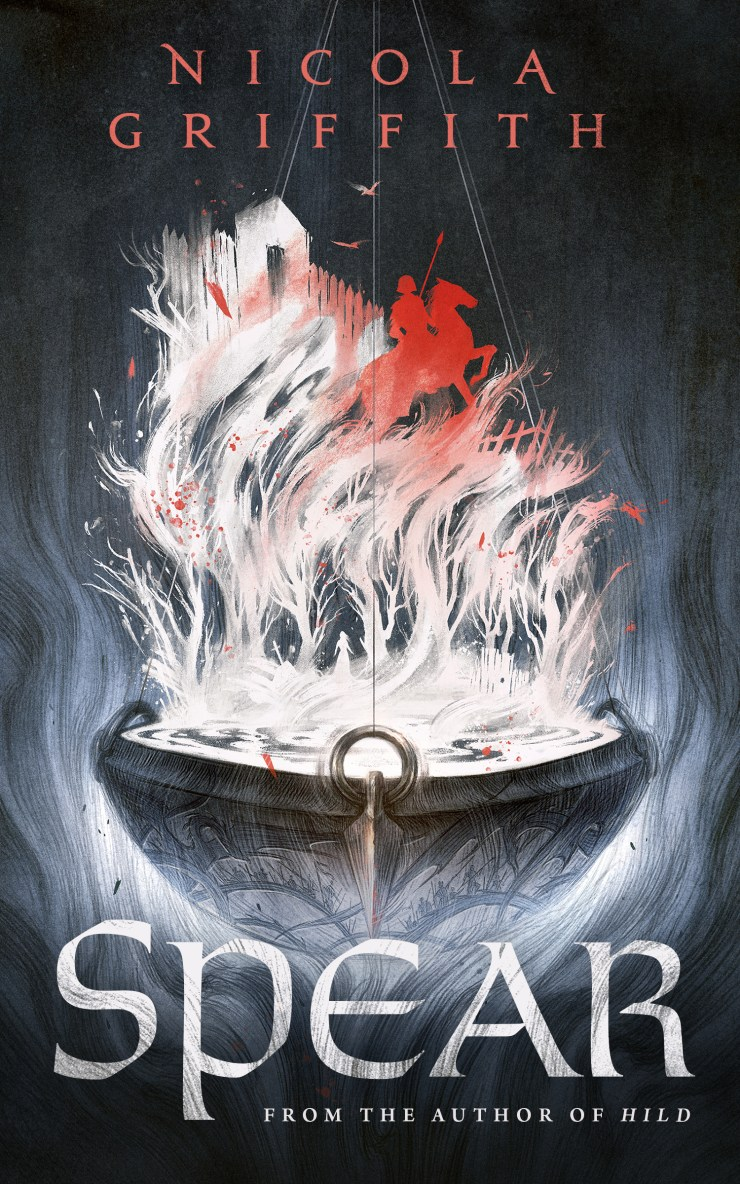
A returning favorite I do expect to see on the Hugo ballot is John Scalzi’s The Kaiju Preservation Society. Scalzi is generally a very popular writer and I thought this was an absolute delight. Scalzi wrote Jurassic Park and made it Scalzi and it worked so very much for me. I very much want to put Spear on all of the ballots, and I do think it’ll end up on the Nebula ballot, but my only concern about the Hugo ballot is that Spear is a novel and I’m not sure everyone knows that - so if it is nominated as a Novella it’ll only be pushed to Novel if that person has an open slot on their Novel ballot. Griffith has been open and active in clarifying its categorization, but I do think that could work against it.
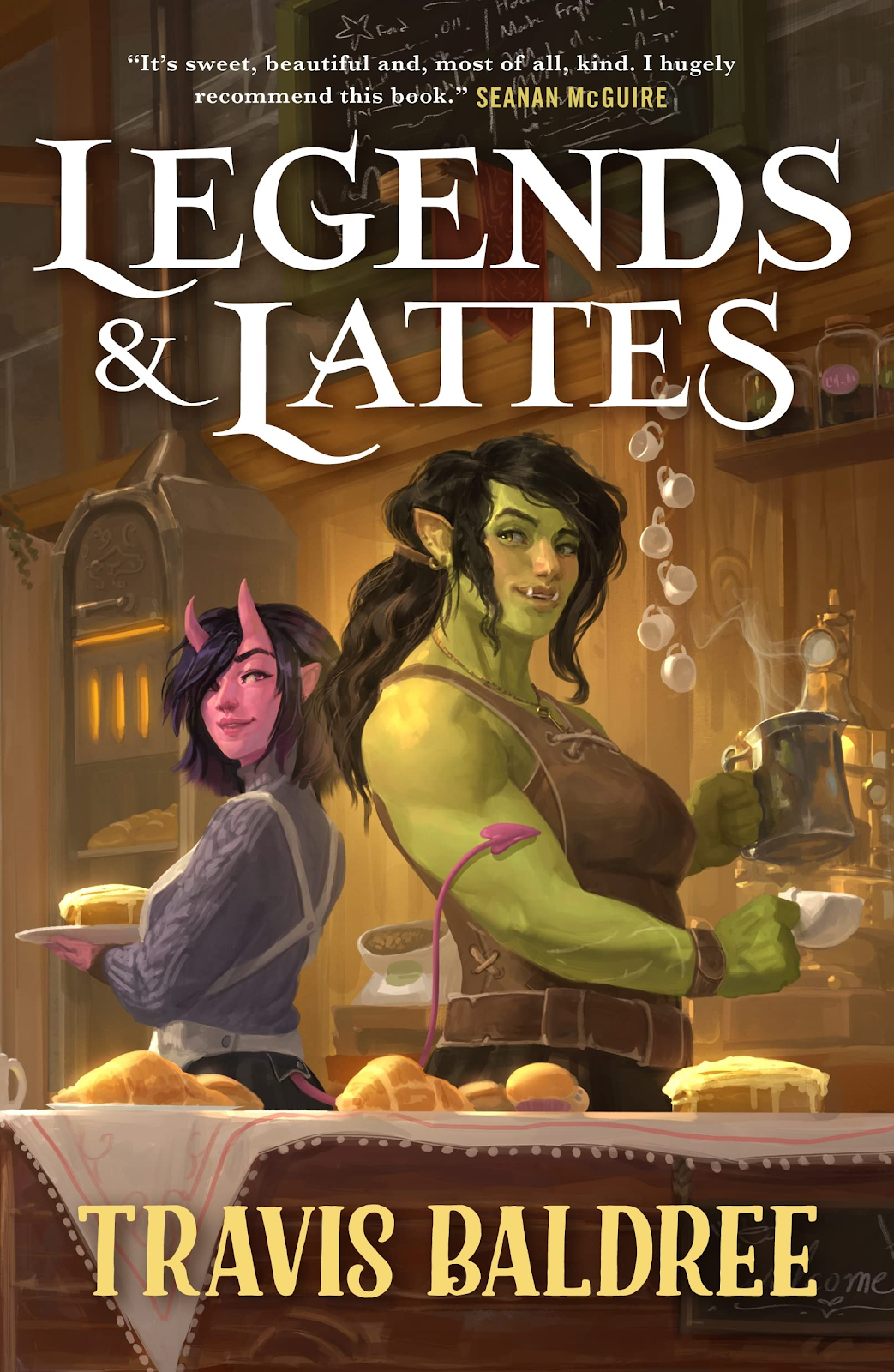
Other books that could be in some sort of conversation are Sea of Tranquility (Mandel), When Women Were Dragons (Barnhill), Babel (Kuang), Fevered Star (Roanhorse), Siren Queen (Vo), Just Like Home (Gailey), Legends & Lattes (Baldree), The Mountain and the Sea (Naylor), How High We Go in the Dark (Nagamatsu), and The Genesis of Misery (Yang). I just don’t know what is breaking through, which way the Nebulas will go, and what is likely to break through at the Hugos.
Adri: As you said earlier, predicting the Hugos this year is difficult because we don’t know how different the nominators will be from the “usual” demographic. There are a lot of eligible fans in China who I hope will exercise their nominating rights and make this ballot one that reflects what they think is best in Chinese science fiction, but to what extent that influence is felt in different categories is not something I feel at all able to predict. It’ll be an interesting Hugo reading season for sure with a bilingual ballot, but I’d much prefer to work through that than to face an all-English ballot with minimal interest or input from Chinese-speaking fandom.
But, if this were a hypothetical Worldcon happening in some random US city, my ballot predictions would be pretty heavily skewed towards work by returning authors, as you identify above.
The World We Make wasn’t N.K. Jemisin’s best work by a long shot - though I respect her pushing through to finish the series in any capacity at all - but I can’t see Hugo voters not choosing it on name alone. Same for
Nona the Ninth, although I think it’s a better representation of what Muir can do than
World We Make is for Jemisin. I haven’t read the
Kaiju Preservation Society or
The Spare Man but I don’t think we’re getting away without either of them. Finally, I’d include
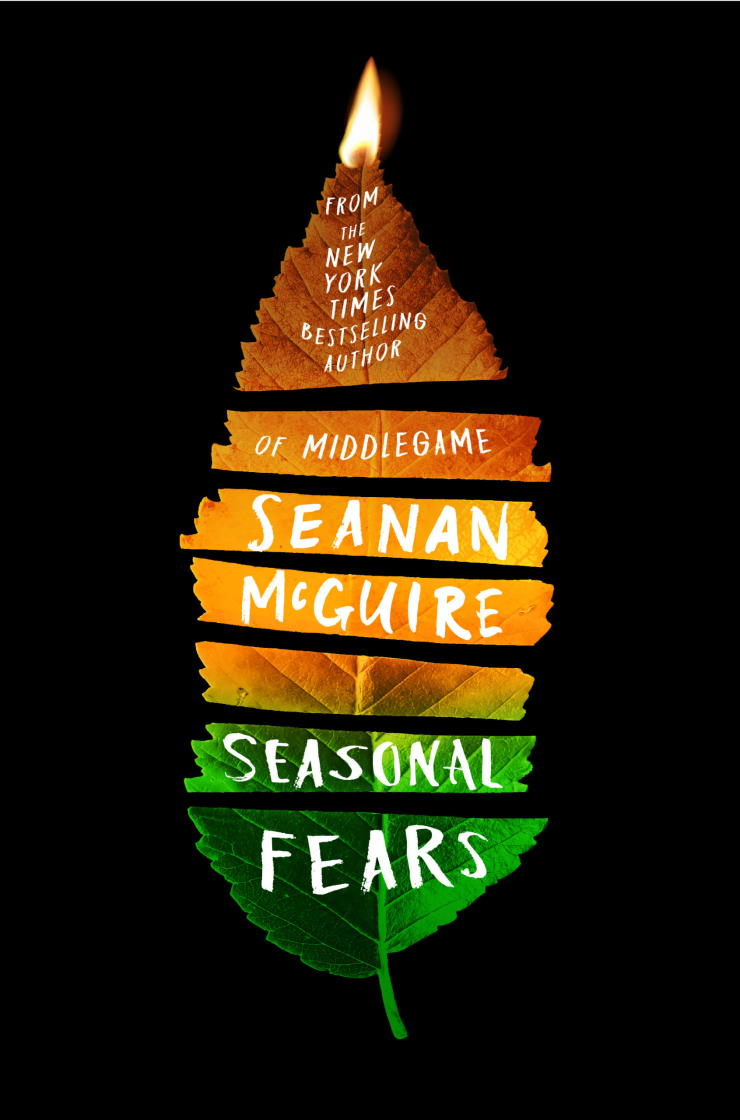
Seasonal Fears by Seanan McGuire, which I haven’t read but
Middlegame was her first Best Novel nomination in a while (possibly the first that wasn’t under Mira Grant) and Hugo nominators love Seanan McGuire almost as much as they love inertia, so I think that’s more likely to happen than not.
That leaves a grand total of one spot to an author who hasn’t been on a Best Novel ballot before, and my runaway prediction here has to be Babel. Kuang has an Astounding Award and a Best Series nomination to her name so she’s an established Hugo name, and Babel was on another level of hype compared to the Poppy War trilogy.
Joe: I knew I forgot something. Seasonal Fears was fantastic, but I’m not sure if it had quite the reach and impact that Middlegame did - which felt like a true breakthrough novel for Seanan McGuire. You are right, though - Middlegame was the first Best Novel nomination McGuire had under her own name. She had one for each of the Newsflesh novels, one final one for Parasite, and then nothing for six years until Middlegame.
That’s a long way to say that I agree with what you’re saying about Hugo nominators and Seanan McGuire but I’m not convinced that it fully carries over to Best Novel, if only because it’s the category with the most activity so it takes a bit more to break through.
It will be fascinating, though, to see how impactful the fans in China will be on this ballot - whether more of them purchase attending tickets to the convention but not the WSFS membership - or if there is a drive to participate in the Hugo Awards because if so, that would be transformative for the Hugo ballot. I’d love to see it, especially if there is access to get those works in translation.
Which is all to say that any conversation or predictions are based on the idea that it will be a “normal” year in terms of nominations because I certainly don’t have enough of an understanding of Chinese science fiction to remotely have a clue what was published last year and might be under consideration.
I’m not as fully confident that Jemisin makes it through this year, but I also wouldn’t be surprised if this is a scratch ballot of Jemisin / Scalzi / Kowal / Muir / Kuang + one random novel.
But here’s the question - there was a LOT of buzz for Legends and Lattes from Travis Baldree and it’s my understanding (since I haven’t read it yet) that it is a very pleasant novel that has emotional echoes to A Long Way to a Small Angry Planet or The House in the Cerulean Sea - which might be enough to push it into that conversation if there is a more split ballot.
Adri: I also haven’t read
Legends and Lattes, but it’s interesting that you compare it to two books that weren’t Hugo finalists to make a case for it being a Hugo finalist (yes, I know Wayfarers as a whole has a best series win, but the novel’s publication history kept it off the ballot).
Joe: You know, that’s absolutely fair - but given that three of the four Wayfarers novels were Best Novel finalists AND I’ll at least note that The House in the Cerulean Sea was 10th in Hugo nominating in 2021 - I don’t think I’m *that* far off the mark in my comps.
Adri: My impression from friends who have read it is that the fantasy setting is even more incidental than comparable slice-of-life. While we’ve seen “incidental fantasy” stories do great at shorter lengths (John Chu’s “The Water that Falls On You From Nowhere” is a delightful example that deserves to be talked about as more than one of the stories that that “incited” the sad puppies), I don’t know if I back that form for novel. Then again, it has been a popular book in an increasingly popular niche of genre, so let's see.
Joe: Also - similarly to what I said about Seasonal Fears in comparison to Middlegame - Rebecca Roanhorse was a finalist two years ago with Black Sun and now Fevered Star is the sequel. How much weight does that have? I’m not sure it has the buzz to break through the way Black Sun did - but who knows?
Adri: That's a very good point - and yet another book that I haven't got around to reading yet.
Joe: I’m not willing to go so far as to actually predict Kelly Barnhill for the Hugo, though my heart would explode if she makes it. I think Sea of Tranquility has a greater chance - and there is certainly a path to a super interesting Best Novel ballot.
This isn’t a prediction, but this lineup would be a LOT of fun.
Babel
The Kaiju Preservation Society
Legends & Lattes
Sea of Tranquility
Spear
When Women Were Dragons
Adri: I respect your fantasy lineup. And, while I’m not terribly impressed by Chengdu’s adherence to award timelines so far, I’m otherwise very content for this to be a strange and unpredictable year, especially if we get some new-to-the-Hugo voices and an appetite for more translated SF (and perhaps even translated fanwork!) out of the whole thing. And after all, we have the Nebulas, the Clarkes, the Ignytes, the Kitschies and all the rest of this year’s awards to look for representation of our favourite English-language titles.
Any final thoughts on the list?
Joe: I am honestly hopeful that Chengdu will get things together and this will be a well run and organized Hugo Award season. I’m just not sure that it is a hope born in realism based on how everything appears to have gone thus far from the outside. Time will tell.
As for the list, Locus puts out a good list. Like all of us, they have blind spots in what they cover and what their reviewers appreciate enough to collectively put it on their list. They absolutely miss some of our favorites. Urban fantasy and big fat epic fantasy tend not to be represented much at all, with limited exceptions, not to mention other sub genres. For the most part, though, when Locus puts out their list of the science fiction and fantasy they recommend to readers - it is an excellent survey of the best of the year and I always appreciate how it sparks how we talk about the year gone by and what the upcoming award season may look like.
Adri: And with that, we look forward to more exciting awards adventures (and, no doubt, awards shenanigans) to come!


.jpg)