Showing posts with label Reading the Hugos. Show all posts

Wednesday, September 13, 2023

Adri and Joe Read the Hugos: Short Story


Adri
: So, how about those Hugos?

We’re starting with short story, which is unusual for us, and it also gives us a chance to dive into the category with the most Chinese works. All of these have been provided in translation, with two stories translated by humans (Regina Kanyu Wang’s Zhurong on Mars is translated by S. Qiouyi Lu and Ren Qing’s Resurrection is translated by Blake Stone Banks) and The White Cliff and On the Razor’s Edge translated by machine. Muddying the waters slightly, Resurrection is eligible on the basis of its translation being published in 2022, not the original story which was published in 2020. So we have three stories where the “definitive” text is in English, and three in Chinese, but both of us have read them all in English. Which immediately makes prose comparisons difficult, but at least we’ve been able to appreciate the whole ballot, for a given value of the word “appreciate”.

It’s also a great ballot for Hugo firsts - of the authors here, I’m pretty sure that only John Wiswell is a repeat nominee.

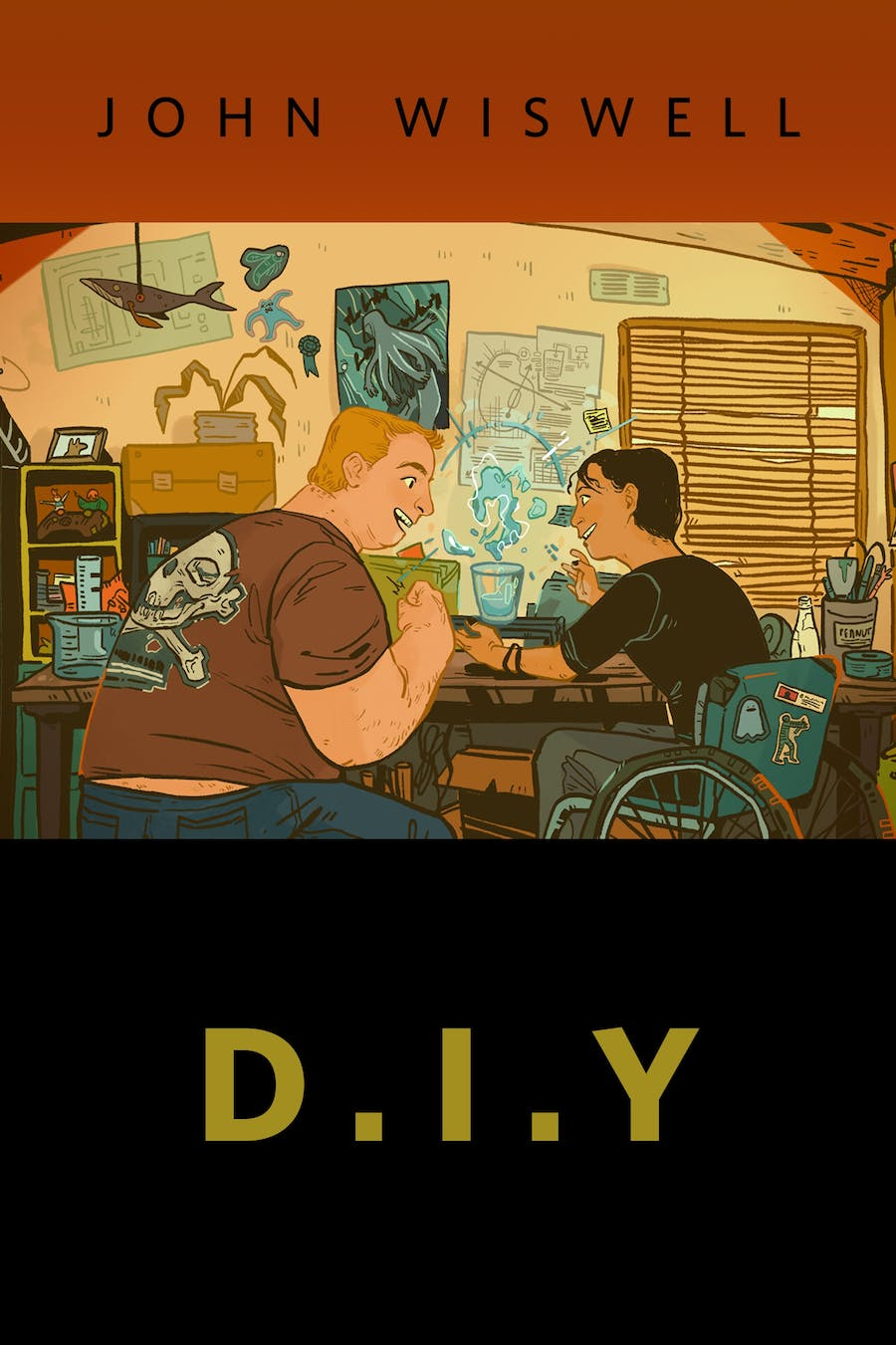
Joe: You are absolutely right, Wiswell is the only prior nominee. He was previously on the ballot in 2021 for the short story “Open House on Haunted Hill” and again last year for the novelette “That Story Isn’t the Story”. I feel like I’m a bit late on the John Wiswell train because I’ve been hearing great things about his fiction even before he really broke out a couple of years ago - but everything I’ve read from him has been absolutely top notch and “D.I.Y.” is no exception.

It’s not 100% my favorite Wiswell, but I think what works for me is the tone. I think “D.I.Y.” has something of what I think you’ll argue about when we get to Best Novel and Legends & Lattes - which is this really smooth tone that even in light of potentially serious subjects it reads really smooth and suggests that stuff is easier than it is (Legends & Lattes is a different conversation, of course) - but even though the water crisis of “D.I.Y.” and what is functionally a corporation only doing what is most profitable for the least good rather than what is less (but still) profitable for the most good - this is serious stuff, but Wiswell has a very light touch.

Adri: I wish I liked D.I.Y. more than I do, but I struggled with it on two levels. First, sadly, the more of Wiswell’s writing I read, the less I get on with his prose - everything seems to come in the same functional-but-not-spectacular conversational style, and there are some really weird word choices in here (one teen calling another a “chonky boi” as if he’s a large cat rather than a human being) that I didn’t really… get. Clearly I’m in a minority here, but this is increasingly not the kind of genre work that gets me excited.

Second, while I love the premise of this story - it’s great to see someone taking aim at the “some children are very, very special and get to go to special magic schools” concept - I found the execution quite shallow, especially since this is practically the only climate fiction on the Hugo ballot this year. The protagonists face hardship and discrimination, but the story shies away for showing that in any more direct way than having one of the kids refused a scholarship by a snooty wizard. There’s no weight behind the climate catastrophe, so the protagonists’ achievements in solving problems doesn’t land nearly as effectively as it should. Perhaps that’s the point, and it’s not the kind of story that’s “supposed” to hit hard, but there’s nothing else here that makes me go “oh this is why this story is more than just a cute diversion, awesome”. Alas.

Joe: Before we get to “Rabbit Test” from Samantha Mills, which - spoilers - is my favorite story (such as the word favorite can apply to that story and how hard it hits) on the ballot, let’s talk about the four Chinese language stories.

As you said, we’re reading these in translation and two of those translations were done by machine - so we really can’t have a true sense of how the stories would present to a native speaking audience and what could be said to be lost in translation. It’s impossible to know, but I’m rather happy that I have this opportunity to experience them at all and that the writers / publishers took the time to translate their work for us the English language fans.

Adri: We’ll never experience how well these works land in Chinese, so even for the human translated works I’m going to avoid talking too much about prose here, except to say that you can totally tell that one story was translated by an accomplished author in aer own right, a second was translated by a person going for maximum accuracy, and the others were translated by computers.

But there’s no getting around it: there are things here that sure didn’t land well with me. I want to start at the lowest point of my reading: “On the Razor’s Edge” by Jiang Bo. Either there’s a significant satirical edge getting lost in translation here, or we have a story on the ballot that would have been right at home in the Puppy era of short fiction nominees if it weren’t for its stridently pro-CCP protagonist. This is a space rescue, in which two astronauts aboard the Chinese space station receive a distress call from the ISS and are given permission by the appropriate committee to stage a daring rescue. The ISS astronauts are all Americans, foolishly still working aboard their crumbling station, and while most of the text focuses on the action of the rescue (a sort of mini-The Martian, complete with Andy Weir levels of geopolitical nuance), we do get to spend an infuriating amount of time helpless, passive female astronaut who spends the entire rescue weeping and being told what to do by men.

I’ve read a previous story of Jiang Bo’s as well: “Starship: Library” appears in translation in the Sinopticon anthology, and has an active, competent woman as its protagonist, so I can only hope that that story is a better indicator of the work he’s put out over a 20 year career. “Starship: Library” also has an edge of gentle humour, which adds to my hope that something is getting lost in translation, and this isn’t just a straight up “strong, patriotic man rescues helpless woman in space” throwback.

Joe: Now that we’re getting into it, “On the Razor’s Edge” is one of my problems (if that’s what I want to call it) with some of the Chinese language work on this year’s ballot. You say “Puppy Era” and you’re not completely wrong, but what I think of instead is that “On the Razor’s Edge” is one of several 1950’s-esque science fiction stories on the ballot.

I wish that someone could brain dump the last five years of Chinese science fiction into my head complete with the working knowledge of novels and the significant short fiction and the scope of what is on the ballots for the Galaxy and Chinese Nebula Awards. Just so I could know how representative “On the Razor’s Edge” and the other works on the ballot are.

There is a particular formality to the writing or to the translation that really feels like science fiction from another era. It’s not Asimov, per se, but it’s what you think about when you think about Asimov - the taking of an idea and playing with it, but doing so in fairly basic and straight forward terms. That’s what “On the Razor’s Edge” does for me and

That formality is also present in “Resurrection”, which I’ll admit doesn’t quite like a 1950’s American science fiction story, but it does have that weird formality to the writing (or translation) that doesn’t really work for me. But with that said. I think “Resurrection” may also be one of the most Chinese stories on the ballot in this category, at least in the idea that it relies more on a Chinese culture than an American one (or, presumably, a British one).

Adri: Resurrection is an intriguing idea: a synthetic version of a woman’s son is delivered to her upon her son’s death, and she has to make her peace with his loss while dealing with this weird, temporary technology and the unwanted attention it brings. But there was a lot hanging around in the margins of the actual story that I was more interested in than, say, the paragraph-long musings of the synthetic corpse about the infinite potential subdivisions of time. For a story that’s very grounded in a mother-son relationship, it’s hard to really grasp either the emotions of the characters or what either of them think about the repressive bureaucracy that resurrected Xinguang and what its agents might be trying to achieve. The effect left the story feeling somewhat hollow to me, and on a first reading I struggled to grasp the weight of the mother’s actions at the end and what her rebellion means in a wider sense.

Joe: It was a really cool idea, but I have it ranked last on my ballot - though I could easily swap spots between “Resurrection” and “The White Cliff” if it came to it.

Adri: I got on better with The White Cliff, and I’d love to see it get a proper translation, because I’d like to see how the story’s midway reveal works with intentional language, and what it intended to be obvious before the turning point. Like Resurrection, this is also a piece about the relationship between a parent and child, with a woman providing medical care for her terminally ill father. The technological innovation here isn’t mind-blowing, and there’s a lot left unexplored in terms of the ethics of use: the story seems to imply there’s a genuine answer to the question “what’s the most effective way to say goodbye to a dying loved one”, which I think is a non-starter. Still, I liked the imagery a lot and I felt a much stronger emotional connection to An and Yanli than to Xinguang and his mother in “Resurrection”.

Joe: Maybe it was the lack of proper translation for “The White Cliff”, as you said. It was deeply emotional but I think the translation held it back and kept me at a bit of a distance and kept the story from fully landing. As with all of the stories, I wanted to appreciate “The White Cliff” and I would love to know if it’s translation, storytelling, or cultural differences that is holding me back. The thing is - I’m a huge softie and stories that have those moments with parents and children and dealing with grief and letting go and acceptance really, really tend to work for me - even if just in the moment of catharsis, and usually it’s enough to overcome and flaws I found in a story. Here it wasn’t.

My favorite of the translated Chinese language stories is “Zhurong on Mars”, which is a fairly straight forward sentient AI / colonization story that reads like something I’ve seen before and I enjoyed it then and I enjoyed it now. I’m a basic science fiction sometimes and if there ever was a “core genre”, which is an entirely different conversation, “Zhurong on Mars” is straight up core genre.

Adri: This was also my favourite of the translated stories: as you say, it’s an idea that feels quite well trodden, but I liked the imagery and characterisation a lot and I think the way it handles self-actualisation and purpose in an emerging consciousness kept me firmly engaged. It still wouldn’t rate among my favourite stories of the year - there’s too much ponderous technological musing and not enough weird shit for me - but this story still spoke to me , and Regina Kanyu Wang is even more firmly on my radar now as an author to watch.

Which brings us, I think, to our joint favourite story: Rabbit Test by Samantha Mills. Do you want to kick off with your thoughts on this one?

Joe: I mentioned earlier that “Rabbit Test” was my favorite story on the ballot, though I’ll also note that the word “favorite” here is doing some work because it’s a really tough story to sit through.

It’s topical as hell, at least in the United States. I’m fairly US-centric when it comes to understanding what’s going on in other countries, but with the overturning of Roe v Wade last year and the end of a federally protected right to have an abortion this is something that’s been on my mind as it has with so many Americans (and likely others around the world, though I don’t want to assume that other people think about the United States nearly as often as folks who live here do).

The titular rabbit test was, somewhat to my surprise, a real thing and that makes sense, because of course women would want to know if they were pregnant as early as they could. I’m sure that’s common knowledge for people who aren’t me. As Mills wrote “all of those people just wanted to know, so they could plan either way. Because—” But, this isn’t a historical story about pregnancy tests. It’s a story of bodily autonomy, of government and societal control, of the fight to *choose* that has always been going on and maybe always will?

“Rabbit Test” jumps between times in glimpses and microstories within the macro story and it hits brutally hard. It’s not just the story Mills is telling, which is vital and immediate and important, it’s the power with which she tells it and even as the story ends it isn’t really over because it can’t be.
“It is 2084 and she is crying, “Our grandmothers fought so hard for this.”

It is 2206 and she is crying, “Our grandmothers fought so hard for this.”

It is 1878 and Madame Restell is bleeding to death in her bathtub rather than submit to another trial. It is 1821 and Asenath Smith is fleeing town in disgrace. It is 1972 and seven of the women of Jane have just been arrested in a raid. It is 2086 and Grace’s medical record has been officially upgraded to that most precarious of categories: potential to become pregnant.

It is 2022 and it isn’t over.

It is 2022 and it is never over.”
I certainly haven’t read most of the notable stories published last year but I have a difficult time imagining there are many that will have the impact and power of “Rabbit Test”

Adri: I have similar feelings about Rabbit Test: while it’s certainly very grounded in the Roe repeal and events in the USA, abortion rights are a pretty universal issue and threats to them are depressingly topical in a lot of places beyond America. As you say, this is a difficult story to “enjoy” in the traditional sense, but it’s extremely evocative and, while the central story takes a specific perspective, the “surrounding” stories brings out the multiplicity of experiences with pregnancy that vary by gender, race, class and family circumstances. It’s one of those rare short stories that felt like a shoo-in to me from the moment I read it (the buzz about it beforehand on social media helped), and it’s the absolute stand out for this category to me.

Joe: I agree. From my perspective, “Rabbit Test” is truly the class of the field here. The other stories are generally good to very good and we disagree on which are which, but “Rabbit Test” stands out as something special.

Do you have any final thoughts? Otherwise, I think we’re about ready to throw down and argue about the Best Novel finalists. I know we have some significant disagreements there.

Adri: Let’s do it!


Tuesday, July 11, 2023

Adri and Joe Talk About Books: 2023 Hugo Award Finalists


Joe: Well, this has certainly been an adventure of a year and even taking the pandemic related delays of Discon III into account, this has been a long Hugo season filled with anticipation. No longer! 

The 2023 Hugo Award finalists have been announced and Hugo Season can begin in earnest! Finally, all the rumors and guesses about what the ballot might possibly look like can be put to rest. We have a ballot and in many ways it is a fairly traditional one with a number of reasonable contenders in most categories. At the same time, there is Chinese language representation across the ballot. I don’t believe you or I had any real understanding of what is popular in Chinese fandom, so I know I’m excited to read those works when translations are available. 


Adri: Yes, congratulations to all the finalists and especially to all of the finalists publishing in Chinese who are on the ballot for the first time this year! I'm particularly delighted to share the fanzine category with two Chinese language zines, both of which look extremely cool and which I understand are vital to the Chinese SF scene. I hope we'll see lots of translation both ways so that as many of us as possible can enjoy all the finalists in their respective glory.

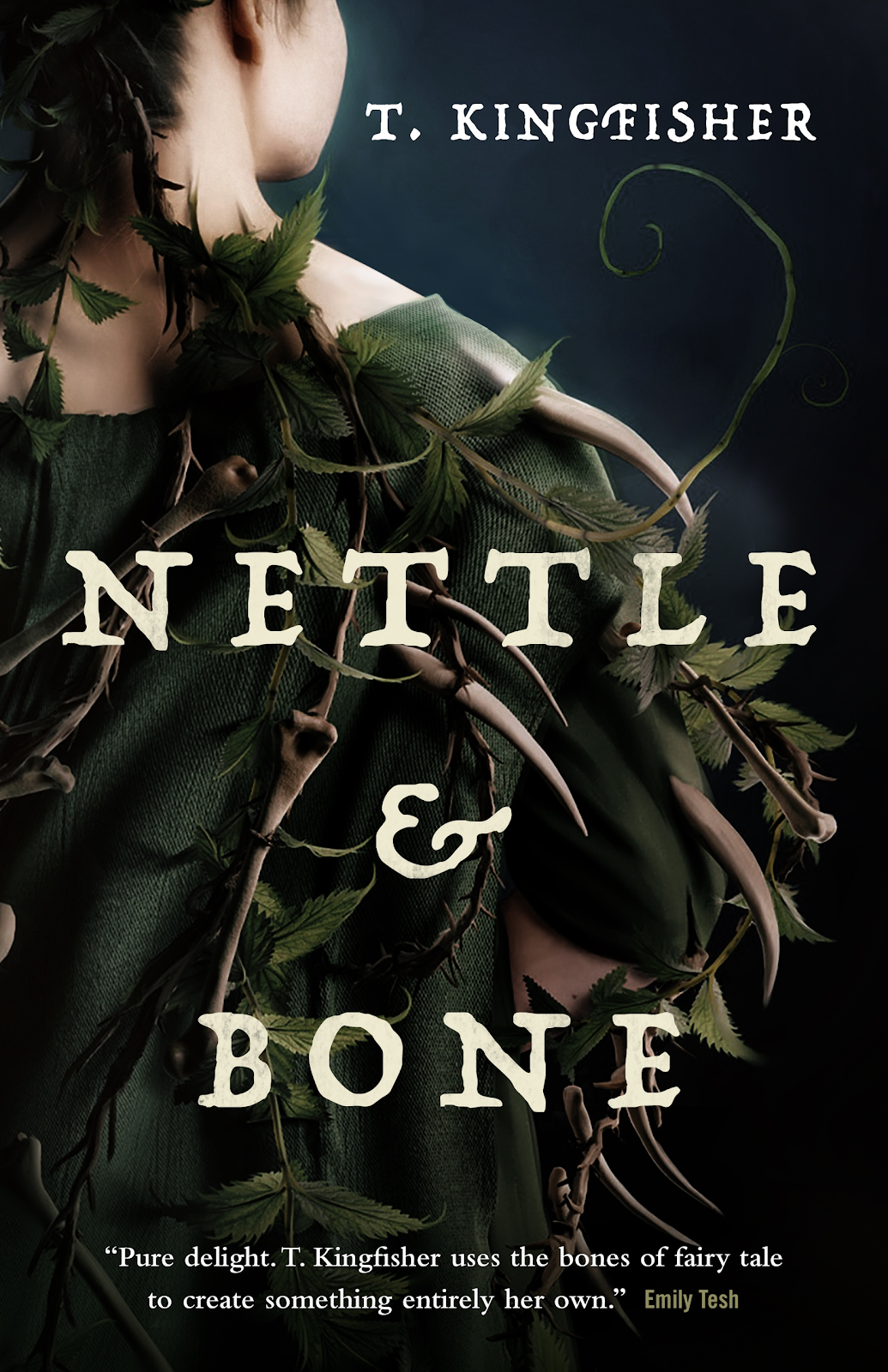
Starting from the bottom and working our way up, then: neither of us did particularly well at our predictions for Best Novel this year, though our collective surmise that it might be a repeat-heavy ballot were well founded. Legends and Lattes and Nettle and Bone provide Nebula overlap, and perhaps Nettle and Bone should have been less of a surprise given what a Hugo darling Vernon/Kingfisher has been in other fiction categories. I've said what I need to say about Legends and Lattes in our Nebula conversation, so let's leave that one there.


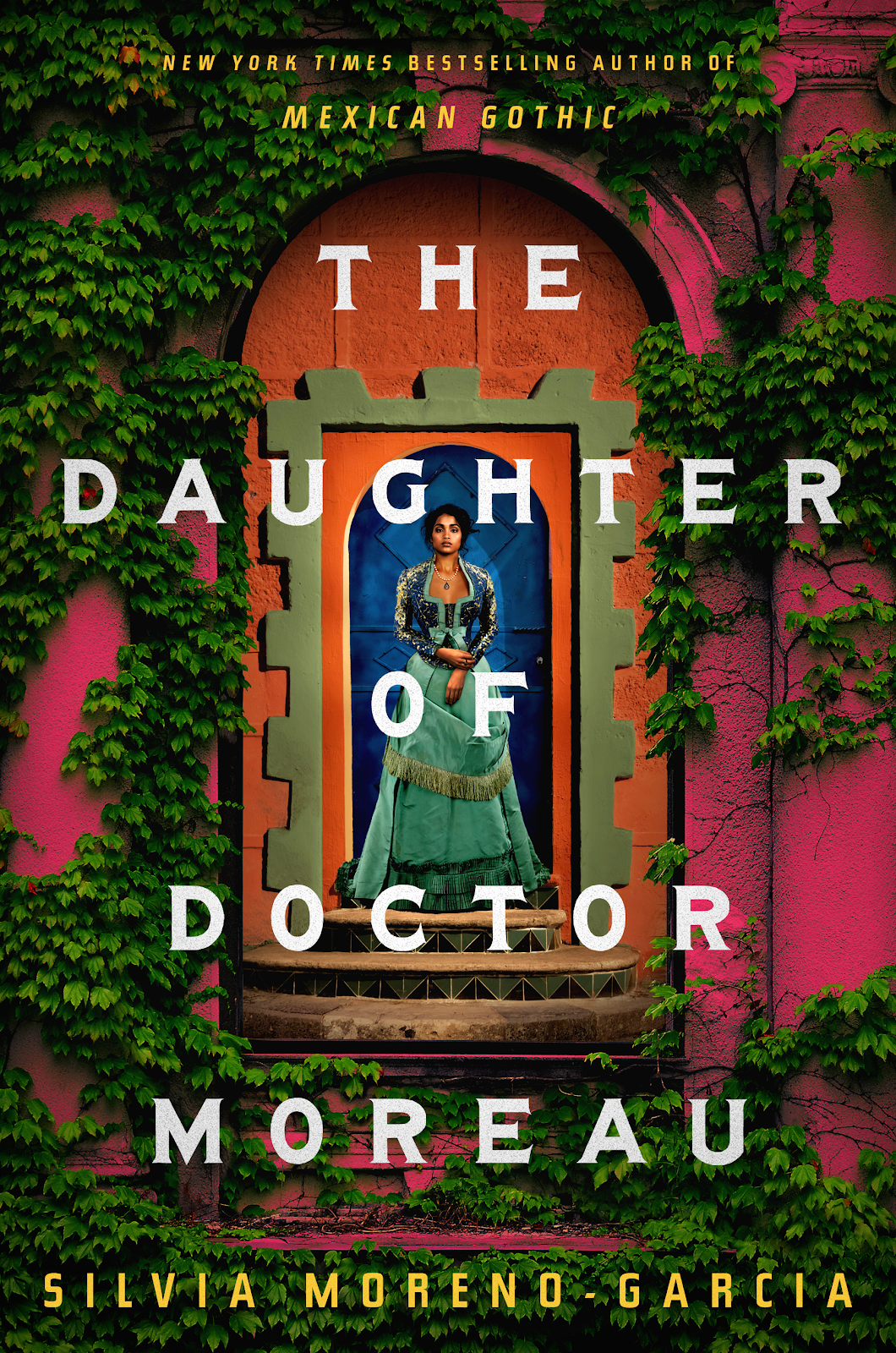
Two surprises, then: Silvia Moreno-Garcia is overdue for Hugo recognition, but I didn't think The Daughter of Doctor Moreau had the level of buzz around it to make it her "breakthrough". It's on my shelf at home and I'm looking forward to reading it. It's also surprising that Babel isn't on this list given its profile, and frankly I think it's a less powerful shortlist for the absence. It's hard not to speculate (i.e. it's possible it reached the threshold of votes but was withdrawn by Kuang) but I've seen so much speculation at this point, some of it verging on sinophobic conspiracy theory. So, instead of feeding into that I'll just hope Kuang is doing well, staying off certain websites (like this one) and enjoying the constant stream of other nominations, wins and accolades coming to her.


Joe: Absolutely! Based on how Babel had been performing in other genre awards, the amount of discussion I’ve seen elsewhere in genre (that nebulous “buzz”), and just how wide it seems to have penetrated the wider literary conversation tells me that it was a real breakout novel. Its exclusion was probably the biggest surprise of the entire Hugo ballot and I guess we’ll find out how everything shook out when the nomination statistics are released after the awards are presented in October. It *seems* likely that Kuang recused, and if so she is more than within her rights to do so for any reasons she might have and those reasons are frankly none of our business. If she didn’t recuse, I can only assume Babel missed the ballot by 1 vote. It’s a staggering omission if Babel didn’t have the votes - but hey, each year’s electorate have their own tastes and preferences and it’s not like they ever traditionally match up with mine anyway.

The other major surprise across the entire ballot is, as you mentioned, Silvia Moreno-Garcia. The Daughter of Doctor Moreau wasn’t part of my predictions because you’re right, it hasn’t had the same level of buzz as some of the other finalists and Moreno-Garcia has not been truly on the Hugo Award radar. Honestly, I figured if Mexican Gothic didn’t break through then this wouldn’t either. With that said, I’m incredibly excited for her and I’m a little behind on some of her more recent novels so I’m ready to catch up with Silvia Moreno-Garcia. As of this conversation I have it on request from the library and it’s already on its way for me to pick up. 


Adri: She's also the only author of colour on what is otherwise a white dominated shortlist.


Joe: At this point, I don’t think we need to talk too much about Tordotcom’s Hugo Award dominance with novellas (4 out of 6 this year), but the thing is that they are generally all really good if generally predictable. We’ve seen Seanan McGuire, Nghi Vo, and Alix E. Harrow here in this category before. McGuire and Vo are both previous winners (for truly excellent novellas at that). I’m a fan of all three of their novellas this year, so that’s certainly not a complaint. Just a statement about a potential lack of nominating imagination. The only Tordotcom novella I have not read yet is Even Though I Knew the End, from C.L. Polk. 

Tor is also on the ballot with their Tor Nightfire line and a T. Kingfisher story, What Moves the Dead, which I am much less familiar with. This is a big year for Kingfisher / Ursula Vernon in the fiction categories. Finally, Adrian Tchaikovsky is on the ballot for Ogres, which at least certain of our friends have been banging the drum for very hard. 


Adri: I love some of the books here - Even Though I Knew The End in particular was wonderful - but novella continues to be one of the least fresh categories to me: 5 out of 6 Tor (even if one is a Nightfire) and all of the authors are repeat nominees. We'll hopefully talk about this more, but having novella dominated by series entries for the same few authors by the same publisher is doing the medium a disservice, in my never-very-humble opinion.


Joe: For sure, and that’s a later conversation that I think we will absolutely have.

I haven’t been keeping up with the short fiction scene, so what I can say about Novelette and Short Story is that I’ve heard good things about John Chu’s novelette “If You Find Yourself Speaking to God, Address God with the Informal You”, John Wiswell’s short story “D.I.Y.”, and “Rabbit Test”, from Samantha Mills. “Rabbit Test”, specifically, was one of the most buzzed about stories that hit my radar. 


Adri: I'm absolutely delighted for Wole Talabi's "A Dream of Electric Mothers" in novelette (one of only a few works by Black authors which made the ballot this year) and I really enjoyed S.L Huang and Samantha Mills' stories too. I would have liked to see Ai Jiang and/or Filip Hajdar Drnovsek Zorko in short story, but I'm very excited for Lu Ban, Ren Qing, Jiang Bo and Regina Kanyu Wang for what I'm pretty sure are first Hugo nominations for each of them (I may be forgetting something that Regina Kanyu Wang has translated, apologies if so!)


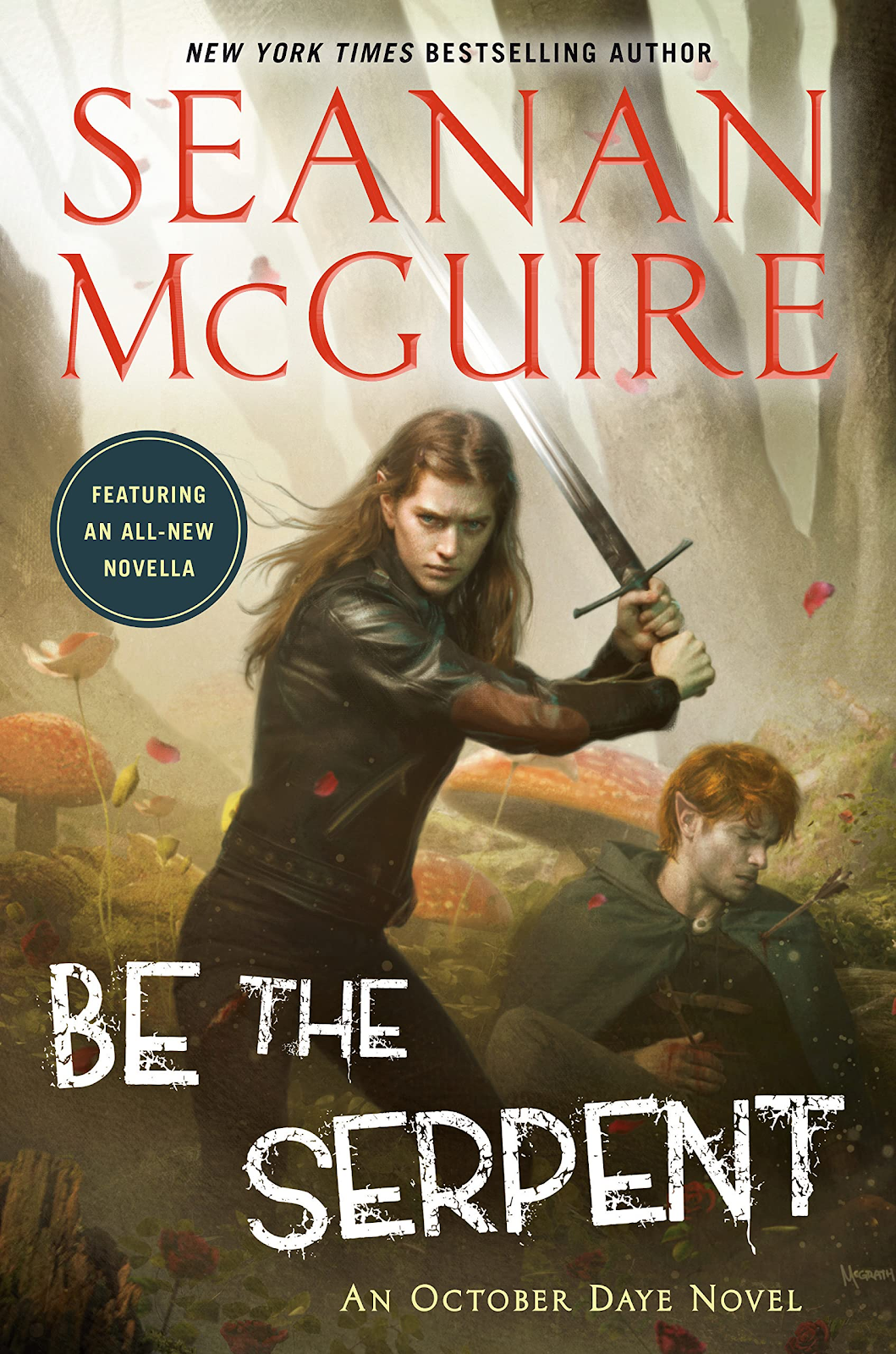
Joe: Moving on to Best Series, I’m really excited about this category. This year there are two long running series, and while I know Seanan McGuire has been on the ballot every year of the category’s existence and her October Daye series has been on the ballot each year it has been eligible - it is also the exact sort of work this category should be celebrating. Long running urban fantasy are almost certainly never going to be recognized in Best Novel (Jim Butcher and extenuating circumstances aside) but this category can recognize the series as a whole in ways that the Hugo Awards never will do so anywhere else. 


That’s a long way to say that this is the right place to recognize October Daye as well as Ben Aaronovitch’s Rivers of London series, another urban fantasy. Actually, had Rivers of London not been nominated this year it would be a very strong potential finalist in Scotland next year. October Daye is coming off of a very strong novel in Be the Serpent, which is a nice punctuation to the series as a whole. 

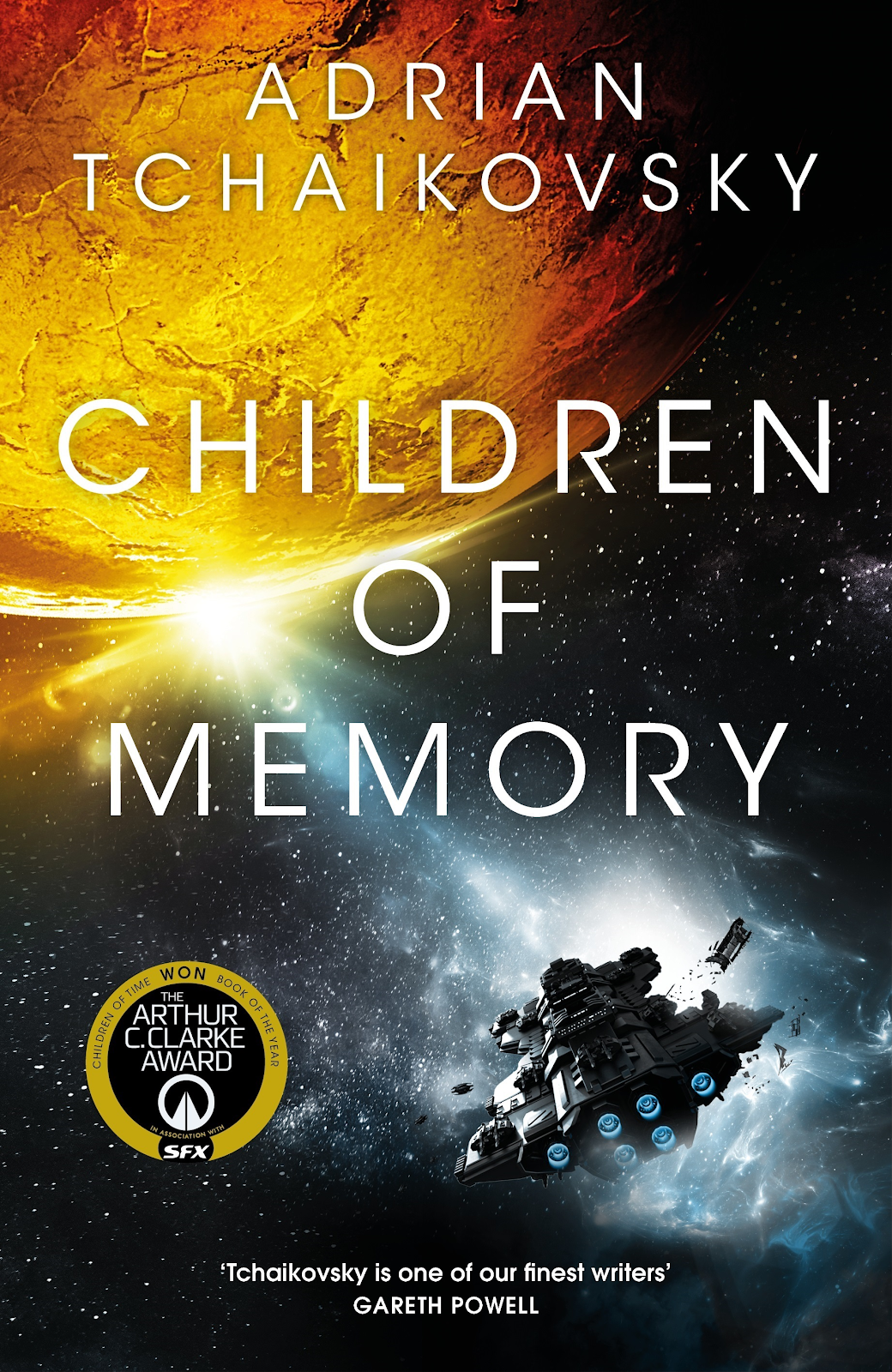
In trilogies, we have Adrian Tchaikovsky’s Children of Time which I’ve heard nothing but amazing things about but because he seems to publish a new book every time I turn around I find it daunting to get into his work. We have The Founders Trilogy from Robert Jackson Bennett, another work I haven’t read but I’m more familiar with Bennett’s other novels and he’s a fantastic writer and I’m excited to get into this one. Then we have Naomi Novik’s Scholomance, a series perpetually mis-shelved in the Lodestar but of which I did enjoy the first book. Finally, there’s the Locked Tomb not quite a trilogy now that Tamsyn Muir split Alecto the Ninth and gave us Nona last year. Honestly, being one book from the end I would have held off until the final book before nominating but most series have limited opportunities at a Hugo so I can’t fault the voters in putting Muir on the ballot now. 


Adri: By now, I think it’s clear that Hugo voters as a collective aren’t going to “hold off” and tactically vote for a series to be on the ballot at some technically optimum point of completion, and I’m fine with that for several reasons. First, there’s the weirdness of assuming Hugo voters do collective action at all, second, there’s the fact that the award has only gone to a completed series once in its history (with the Vorkosigan saga) so it clearly doesn’t disadvantage a series to be on the ballot before its author says it’s finished. Finally, as Nona’s publication history shows, a series can be a nebulous thing, whose shape can look very different to how an author plans, and with eligibility being as weird as it is in this category, I wouldn’t want to assume that another year is going to be better or worse for a given nominee unless it’s very much “completed trilogy, now’s your chance”. In theory, The Locked Tomb being on the ballot now means that if it doesn’t win this year, it won’t be re-eligible after the planned fourth-and-final volume comes out - but what if the fourth volume isn’t Alecto but a side novella or a second unexpected spin-off, and people leaving it off the ballot this year stopped it from having a hypothetical second chance at eligibility after Volume 5? We don’t know, and it quickly gets silly to speculate, and that’s why I think it’s a good idea for voters to put series on the ballot when they’re eligible and they think the series is award-worthy, regardless of its completion status. (It’s entirely possible I have said something different to this in the past, and I’ll no doubt be cranky when we get an incomplete Best Series winner that gets super bad in future volumes, but these are my current thoughts.)


Joe: No, you’re absolutely correct about that. And as we’ve discussed before, a Hugo window can be incredibly tight and in the case of series, what if for some freakish reason we get new volumes in The Wheel of Time, A Song of Ice and Fire and something else pops off and suddenly The Locked Tomb doesn’t make the ballot with Alecto? Get your nominations when you can. 

Adri: Anyway, my reaction is that this list is good-to-excellent, unsurprising, and extremely white. Ken Liu’s Dandelion Dynasty series feels like a particularly egregious omission. That said, I’m really very happy to see the Children of Time trilogy here: Adrian Tchaikovsky does indeed write a lot, but this is my favourite of his series by some margin and it’s nice to see him “break through” into more Hugo recognition having been a staple of the UK genre scene for a long time.


Joe: I could be off base, but The Dandelion Dynasty seems like it came back very quietly after five years between books 2 and 3 and it didn’t have the same buzz it did after The Grace of Kings debuted. That said, I would have liked to see Liu get that Hugo recognition but the number of writers who I want to have additional Hugo recognition is long and distinguished.


Adri: In Lodestar, the first thing I notice is Naomi Novik’s insistence, once again, in taking up space in a YA award that she should know damn well she isn’t eligible for and have the basic respect for the category to stand aside in. It’s unsurprising that she hasn’t suddenly changed her mind on this, having been here twice before, but nevertheless very disappointing. Otherwise, this is a cool ballot and my heart is very much behind Rachel Hartman’s In The Serpents’ Wake, for all I enjoyed everything else I read in the category too. Catherynne M Valente’s book here is new to me, and unfortunately I don’t think it’s available in the UK, but it’s not surprising to see her here and I did enjoy the Fairyland books so I’m intrigued by this one.


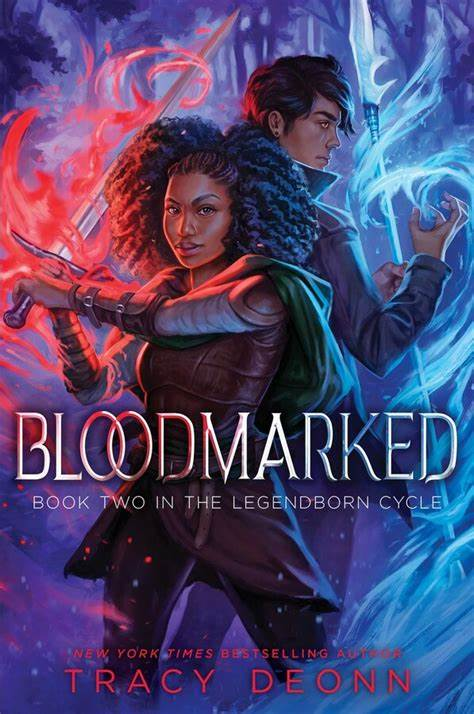
Joe: As a general rule and specifically in relation to this year’s Lodestar, I’m less familiar with the YA offerings outside Scholomance, which I briefly touched upon when talking about Series, at least in that I haven’t read anything on the ballot but I’ve read previous books from most of the writers. I’m excited to see Tracy Deonn back on the Lodestar ballot. I really enjoyed Legendborn and had planned to read Bloodmarked anyway. I’ve picked up Valente’s Osmo Unknown and the Eightpenny Wood, which is a book I haven’t even heard of though I’ve read a number of Valente’s adult novels. 

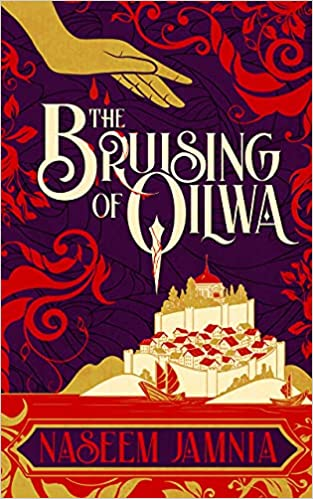
Adri: In the Astounding Award, I’m always absolutely delighted to see authors break through on the strength of short fiction and Isabel J. Kim is a fantastic writer and Subjective Chaos Award winner. Embarrassingly, I was not aware they had only been writing since 2021 and was eligible here, so I’m very pleased other voters were paying attention! It’s also great to see Naseem Jamnia, whose novella The Bruising of Qilwa is really powerful stuff and deserves all the recognition, on the list.


Joe: Most of the Astounding writers are new to me. Obviously, Travis Baldree had all the buzz for Legends and Lattes, and I had previously read Everina Maxwell’s Winter’s Orbit, which was an absolute delight. I’m excited to discover everyone else, especially Naseem Jamnia.

Adri: I don’t have strong feelings in the more visual-fictional-things categories. Based on the early release, I thought we would be having a year off from Marvel, but Wakanda Forever has made the Best Dramatic Presentation Long Form Category in place of the Andor season nomination, and She-Hulk is now in Best Dramatic Presentation Short Form in place of one episode of Severance. I’ll probably give Graphic Novel a miss this year, since I have zero interest in reading Cyberpunk 2077 or Dune.


Joe: I just finished the latest Monstress collection and I know I’m fully in the minority here but that is just not a series for me and every collected volume has been a Hugo Award finalist (with the first three winning). Not that I’m obligated to read every work on the ballot, and the other Hugo nominators obviously love Monstress but it’s a struggle.


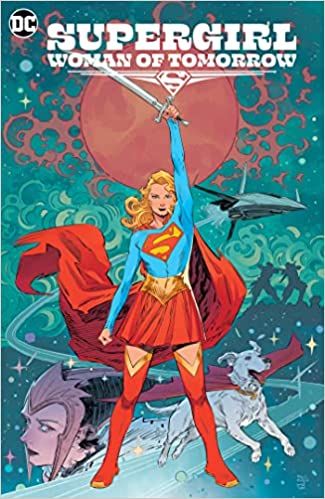
For the rest of the category, I’m interested in Once and Future, Supergirl, and the return of Saga, Olav from the now three time finalist Unofficial Hugo Award Book Club Blog has been talking up Supergirl for the last year, so I’m excited for that one. Dune and Cyberpunk seem like slightly unusual choices, so okay. 


Adri: Once again, Best Related Work is heavily non-fiction this year, mostly of the book variety. I am delighted that S.L. Huang’s "The Ghosts of Workshops Past", a deep dive into the history and impact of writers’ workshops is here: it’s a fantastic piece, and one which sparked a lot of good and in some cases very overdue conversations about how the methodology of critique that dominates these spaces is disproportionately hostile and damaging to BIPOC writers.

The other work that’s interesting to me is the Buffalito World Outreach Project, which is an attempt by Lawrence M. Schoen to get his short story "Buffalo Dogs" translated into as many languages as possible. I’m fully down with the concept of translation being a best related work, especially after we saw Maria Dahvana Headley’s Beowulf translation take the category in 2021. However, the nomination isn’t credited to any of the Buffalo Dogs translators (who, I infer from the website, are generally doing this as a personal favour and not being paid for their work), but to Schoen himself? The only way I can read this is that we’re supposed to be judging the author’s process of outreach, and the concept of “it’s one story but it’s in a lot of languages”, not the actual translations. That doesn’t really sit right with me, and I’d have far preferred to see the translators credited for this work alongside Schoen as coordinator, even if judging those translations as a whole would be practically impossible given all the languages involved.


Joe: That’s how I’m reading the title and even content of the Buffalito World Outreach Project. It’s the “outreach project” part that is key. Even in the light of Beowulf, the Buffalito World Outreach Project feels like a bit of a stretch for the category but it is a related work. I think we are certainly not intended to evaluate the story but more the concept of the outreach to translate the story. 


I’ve started reading Wil Wheaton’s Still Just a Geek, which is a weird artifact of an annotated version of his previous memoir. But what I’m excited about here is Blood, Sweat, and Chrome - Kyle Buchanan’s story of the making of Mad Max: Fury Road. I’ve seen a ton of buzz for that and I’ve been meaning to read it since it was first announced. 

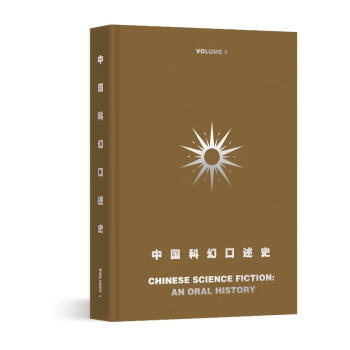
As a general rule I prefer Related Work to be primarily written non-fiction with a further preference for book length work - so this category works for me. As with other categories with Chinese language works I’m very much hoping for a translation of Chinese Science Fiction: An Oral History, Vol 1 to be in the voter packet. That is full on part of my interests. 


As a general rule we don’t spend a whole lot of time talking about the fan categories, but we’re probably burying the lede by not acknowledging that we are on the Hugo ballot for a (staggering) sixth time. It remains intensely awesome every time we get that notification e-mail and we get to continue to be an active part of the Hugo Awards, which we’d obsess about whether or not we’re on the ballot. 


I would say a light-hearted “Go us!” but what I really mean is some of what we said in our Thank You article, which is that we have a really great group of writers and while it is traditionally the editors names on the Hugo Award ballot the work that gets us here is done by the full team and that should never go without being said. 

The other thing that I’m excited about with this year’s nomination is that we get to share it with our awesome crop of new editors Paul Weimer, Roseanna Pendlebury, and Arturo Serrano. They’ve been much of the heart of Nerds of a Feather the last several years and it is incredibly satisfying to have them share in this in an official category as Hugo Award Finalists. Paul has been on the ballot in Fan Writer and as part of the Skiffy and Fanty Fancast team, but this is his first Fanzine nomination. He needs to do some officially fannish photography so he can get a Fan Artist nomination and then be a finalist for every fan category currently in existence.

This is the first ever nomination for Arturo and Roseanna and I am so, so glad they are getting that recognition. 


Adri: Yes, all of the above. I’m so very proud of our team, and all we achieved last year, and it’s an absolute honour to not only be on the ballot again but to be sharing it with our expanded editorial gang. Disappointingly, some of our peers in fanzine and semiprozine have been denied this, through the award administrators’ insistence that teams can only have a maximum of 7 names on the ballot this year. This is, quite frankly, bullshit, especially when all that is being asked for is a name on a spreadsheet and a website, and larger zines like Strange Horizons have made it clear that they don’t expect their entire staff to be at the ceremony and have offered to foot the bill for other finalist perks (i.e. commemorative pins and certificates) to be sent to their staff. 


It would be lovely to go a single year without the people in charge of one of the biggest awards in genre - and one of the only ones which offers recognition to fans - undermining the experience for some or all of us. That said, Chengdu Worldcon has made it pretty clear they aren’t taking feedback on a lot of their decisions - having Russian nationalist genocide supporter Sergei Lukyanenko as guest of honour being another notable kick in the teeth - so it looks like we have to eat the Hugo sandwiches with whatever proportion of shit they get served with this year. “It’s an honour!”, I say again, my right eye only slightly twitching.


(Seriously though, it IS an honour, because you readers and nominators are the ones who make it so. Once again, thank you.)


Joe: To that point, and partially circling back to our brief musings on whether or not R.F. Kuang declined a nomination for Babel. As I noted, we should only expect to find that out when the longlists are announced with the nominating and finalist voting statistics and I had thought that would be the end of the conversation and that wouldn’t tie into the the more controversial elements of this Worldcon because it’s one of those things that people who decline nominations just don’t talk about. 


Except that S.B. Divya has recently shared that she declined two spots on this year’s Hugo ballot. One was her place as part of Escape Pod as co-editor. The other, though, was her story “Two Hands, Wrapped in Gold” had received enough votes to be on the ballot in Best Novelette. Divya shared her reasons in her public statement, but the reasons boiled down to a full non-participation in this year’s Worldcon in protest of “China’s treatment of the Uyghur people in Xinjiang” as well as the convention honoring Sergei Lukyanenko as Guest of Honor. Divya notes that Lukyanenko is “an apologist for Russia’s invasion of Ukraine, another act of aggression that I cannot support”.


Adri: That’s a really difficult decision to make and I massively respect Divya for doing so. There are ethical issues around this Worldcon that should be impossible to ignore - I’ve made personal  decisions around participation as well, though not ones I want to get into - and it sucks. I respect everyone who is more publicly grappling with it, especially since Divya and others I have seen talking about this make the distinction between Chinese fandom, and the wider context of having a Worldcon in the PRC, rather than conflating the two.


I don’t think this is the only struck-through nomination we’ll see when the data comes out - but that’s a conversation for October.


Joe: It is. I love digging into the numbers anyway, and all that changes now in the absence of other public statements of declination is that we understand there is a greater potential of more declined works in the long list. 


This is probably a good place to close things out because I’m not sure how we follow it with anything of real substance. Next time we chat will probably be when we start diving into individual categories. 


Adri: For all the shenanigans so far, I’m still really glad we’re back in Hugo season again and my TBR is filled with interesting stuff to talk about. See you soon!


Tuesday, August 30, 2022

Adri and Joe Read the Hugos: Everything Else


Joe
: Alright, let’s do this thing. Adri, you and I had planned to cover at least two more categories this summer than we actually did and had hoped to cover even more than that. But, you know, life is hard and schedules are harder and we just didn’t quite get there.

By the time this chat will go live Hugo voting will have closed, and if I’m being perfectly honest with our faithful readers, Hugo voting will have closed before we finish this conversation as well. And you know what? That’s okay! Hugo reading and Hugo chatting is supposed to be fun and is, in fact, fun and we should get on with it.

Adri: Hugo voting has closed as I write this. Life does indeed get in the way of SFF reviewing and Hugo conversations, and that’s something we all have to live with.

That said, this has been a really good year for me in terms of actually reading and watching Hugo things - with the exception of one series (For All Mankind) in BDP short and a few volumes in Best Series, I actually got to pretty much everything on the ballot

Joe: This is going to be a lot less focused than our specific category conversations because there we’re talking about, well, a specific category. I expect we’re going to be all over the place here because there are categories I didn’t quite finish reading / watching everything for (sorry Dramatic Presentation Short Form and Lodestar Awards) and at least one more where I just don’t have anything constructive to say for various reasons that we discussed offline that I don’t think would be productive for anyone to bring online. That’s vague for our readers, but it’s probably the right decision.

Where I think I want to start is with the Lodestar Award, which I just admitted to not finishing. I do plan to read the ones I haven’t gotten to you but I still wanted to highlight Iron Widow, Chaos on Catnet, and Victories Greater than Death. It’s only half of the category, but what a lineup!


Iron Widow absolutely blew me away. The novel wasn’t on my radar at all and I could not put it down once I started. I think I read it in three sittings, maaaaaybe two. It’s one of those books where you pick up any time you have a spare minute and just keep going well past where you planned to stop and forget about normal sleep schedules. Loved it. Adored it, for all its brutality.

Adri: Iron Widow was a very easy favourite for me in this category too - it’s one of three of my nominees to make the final list. That said, there wasn’t much between the four other YA works for me - Chaos on Catnet ended up as my fifth choice but I enjoyed reading it just as much as Redemptor, which was my second. Apart from Iron Widow, the only other easy choice was ranking The Last Graduate 7th out of 6 - not because I didn’t enjoy it (I did, far more than I expected to) but because it’s an adult novel and I would like this YA award to be subject to at least that basic level of curation.

Joe: Iron Widow is Xiran Jay Zhao’s debut novel, which also finds her on the Astounding Award ballot for Best New Writer and that, THAT is a murderers row of up and coming writers. Actually, scratch that. It’s a murderers row of writers who are already here. I hate to make a reference to a 34 year old movie, especially given that the context is that the person saying the line is a bit of a dumb ass about it, but everyone on on that Astounding ballot has announced their presence with authority. These are the writers to pay attention to. Not next, but right now. Xiran Jay Zhao is the real deal and so is everyone else on the Astounding ballot.

Seriously - Shelley Parker-Chan is up for Best Novel for She Who Became the Sun, which is is an absolute tour-de-force. I was enthralled last year with Legendborn from Tracy Deonn. A.K. Larkwood’s The Thousand Eyes was one hell of an epic fantasy debut. Most recently I finished Winter’s Orbit by Everina Maxwell and oh, my heart! I’m not going to compare year over year finalists, but this, this is a group of new writers that I’m excited to follow over the next decades.


Adri
: I’m a little sad every year we don’t have short fiction writers on the Astounding Award ballot, especially in a year where I don’t think there are any Astounding eligible authors on the novelette and short story ballots (side note: go look up fiction from Kel Coleman, Filip Hajdar Drnovsek Zorko and P.H. Low and be amazed, please) but I can’t fault any of the writers who have ended up on the ballot this year. Winter’s Orbit is wonderful, Legendborn is an absolute gem, and The Space Between Worlds didn’t get nearly the level of recognition it deserved. And The Unspoken Name has Csorwe and Tal’s toxic workplace dynamics, which is a recommendation all on its own. As you say, these are writers who have already had a big impact in genre and while there is, of course, bias towards long form writing in the kinds of books that get that buzz, it doesn’t make this list of authors any less awesome. Or, if you will, Astounding.

While we’re on the subject of long form fiction, let’s talk about the longest form of them all: Best Series! (Note: this was a less contrived link than trying to go through Ada Palmer’s past Astounding win). I was happy to start with a decent chunk of these already read, and I only really had to form new opinions on two series: World of the White Rat, and Merchant Princes. Three world-hopping thrillers later, and I’ve confirmed that my dislike of the Laundry Files sadly stretches to all of Stross’ work - there’s nothing I think is particularly bad (aside from a couple of dated 2000s moments in the early books), but absolutely nothing I cared to read on for. And then there’s World of the White Rat, which is actually an ongoing fantasy romance series, a quest-y duology and a standalone all bundled together in the same trenchcoat. It’s T. Kingfisher, so it’s excellent (the romance involves the leads being a little too dense for my liking, but still great), and I’m looking forward to reading the remaining two books I didn’t get to, but it hasn’t troubled my absolute favourites at the top of the category: The Kingston Cycle and The Green Bone Saga.

And, like, you’ve expended a lot of words about this endless debate on how Best Series “should” work, and we’ve spoken about it before, and no doubt that debate will get plenty of airplay at the Chicago business meeting, but overall - and despite having one series I don’t care for (Merchant Princes), and one I’ve got mixed feelings about as a series despite loving some individual works (Wayward Children), I just think that this is a great ballot in a great category, and the inclusion of two of the most groundbreaking trilogies of recent SFF, works which haven’t had individual Hugo nominations despite being decently recognised in other awards, really proves the value of Best Series for me. More importantly, these works don’t need special measures that artificially take other authors out of the running to get that recognition. I assume Ada Palmer’s Astounding win wouldn’t take her out of contention for the Terra Ignota series, but it also belongs here and the fact that the first volume has the possibility to win a Hugo back in 2018 doesn’t lessen the excellent (and bizarre) things she did with the series after that first volume.

Joe: Series is an interesting one for me. I didn’t read Terra Ignota because I bounced off the first book and never had the desire to give it another shot to find out if it was the book or if it was me or even just where I was when I tried the first book. I could write an essay about my relationship with Charles Stross’s fiction - but I’ll simplify and say that it’s very hit or miss and for the most part his Merchant Princes series and the Empire Games follow up series was a solid read but never quite came together to be something great.


I am absolutely with you on the top of this category, though - The Green Bone Saga and the Kingston Cycle are really the cream of the crop. In particular, The Green Bone Saga is really something special - one of the best new series I’ve ever read and I’d put it right up there with the most notable series of recent years, and I’m talking the Imperial Radch and The Broken Earth levels of good.

I’m generally happy with the finalists for Graphic Story, though I only *just* got a copy of Strange Adventures from the library now that voting has closed. I’ve never been interested in Green Lantern, but I certainly wasn’t surprised that I liked N.K. Jemisin’s Far Sector. The biggest surprise for me, though, is Lore Olympus. That’s a book and series I want to read more from.

Adri: I had the opposite reaction to Lore Olympus, unfortunately - I was interested in checking it out, since I used to be really into webcomics back in the 2000s and I’m intrigued by the apparent resurgence of webtoons which now seem to fill that niche. Unfortunately, I’m not the right audience for “physically tiny, naive, vulnerable woman attracts the attention of much more experienced, more powerful guy”, and I found the execution of Lore Olympus to be irritating and occasionally the wrong side of creepy. This isn’t me making some grand point about “problematic” romance power dynamics, since all the characters are immortal gods and all, but it’s very much not for me.

Then we’ve got Monstress, which I enjoy very much but is enough of a Hugo fixture that I’m not super excited to see it on the ballot again, and two Kieron Gillen-written comics which are also later issues of previously nominated series. My issue with Kieron Gillen, I have established, is that I quite like his premises in theory, but the particular brand of bleakness and horror-tinged action that he brings to the execution are really not my jam.


That leaves the two DC comics, and here’s where I was really blown away. No thanks to DC itself, I add - neither of these works were made available in the voter packet and I had to spend a lot of effort tracking them down in different London libraries - but, as a non-superhero reader with minimal prior exposure to DC properties in particular, I was really blown away by how good and accessibly written both of these were. Jemisin and Campbell’s Far Sector was a particular favourite: a take on a new Green Lantern who takes on a mission in a very far-off part of the galaxy where three species of alien are keeping up a fragile truce, it combines great worldbuilding, an intriguing mystery and a Black woman hero whose past is rooted in the USA’s current race politics and who draws on that experience to interesting effect. And Strange Adventures - featuring Adam Strange, a character I knew nothing about before now - takes apart a particular “boy’s own” portal fantasy-type adventure trope with scathing precision, with Strange trying to maintain a particular, highly colonial, image of his military victories on the planet Rann as Earth begins to suffer its own invasion, and those around him start to notice his story doesn’t add up.

Joe: I have perhaps less to say about Related Work, but I was incredibly impressed with Abraham Riesman’s True Believer. I won’t go so far as to say it was a takedown of Stan Lee, but it was a revealing of who he was and consolidated a lot of what was out in the world into one book where readers who are not fully engaged in all the dealings with comic books and its history might have missed - the Stan Lee story is far more complicated and ultimately tragic that I think most readers would have expected. Certainly it was more than I had ever known.

Adri: True Believer really surprised me too - I read it far quicker than I was expecting to, and it shone a light on a figure I’d never known much about, beyond that he was “the nice old man who did all the movie cameos”. The reality is, as you say, far more complicated, and full of a lot of tragedy for Lee himself and sadly also for a lot of the people who worked alongside him. On the whole, I enjoyed everything on this ballot - Charlie Jane Anders’ Never Say You Can’t Survive, which I read in audiobook, was a real highlight (Anders comes across as such a great person to have in your parasocial corner), and I was impressed by Dangerous Visions and New Worlds as well. This is a very non-fiction and memoir heavy ballot after the “a bit of everything” ballots of the last few years, and while I hope we see a return to broader nominations (there are some great video essays that would have fit well amongst the works here), this is the first all-written BRW ballot that I’ve been able to read everything in, and I think this is a great list in itself.


Joe
: Regarding the fan categories, our own Paul Weimer is up for Fan Writer again for the work he has done here at Nerds of a Feather and pretty much everywhere else because Paul is ever-present in genre fandom. If my count is correct, this is third time on the Fan Writer ballots and he has also thrice been formally on the Fancast ballot for The Skiffy and Fanty Show.

I would be more than thrilled to see Paul pick up a Hugo, though as with most years this is a very impressive line up of fan writers. In particular, I am most familiar with the writing of Jason Sanford through his investigative Genre Grapevine columns and also with Chris Barkley, who is another of those writers and individuals we see in many fan spaces.

Adri: Plenty of wonderful folks to choose from this year, as always, and I’m not going to express any preferences! But I’m particularly thrilled to see Alex Brown here, which I think is largely for their writing at Tor.com. I don’t want to derail this chat into another Hugo politics subject, but I’m very much opposed to attempts to define fan writing as “strictly no money involved”, because it doesn’t match the realities of how good fan critique is made and published these days. From paid zines like Tor and Locus, to individual artist Patreons, I think it’s not just valid but actively important that writers who can’t, or don’t want to, give their labour for free are nevertheless recognised as fan creators in the way that I think is most important - that is, people offering critique and reactions and recommendations and generally keeping a community alive around works that they love.

Joe: In Fancast, I am beyond thrilled for Hugo, Girl - more than anyone else, I might have actually cheered out loud when I saw they are on their first Hugo ballot. I love their podcast, it’s one of the few I make a point to listen to the day it drops on my podcatcher of choice - and I got to meet Lori and Kevin at Discon last year and they were absolutely delightful to share a meal with. I also immediately pushed my Hugo at Lori following the Hugo ceremony last year because I was mentally staggered by how heavy the thing was and needed other people to share in that weight. But really, Hugo Girl is just about my favorite podcast these days and they would be an eminently worthy recipient of a Hugo Award.

Adri: Hugo, Girl is excellent, and like you I’m so glad that they’re represented this year!

Joe: The Coode Street Podcast is another favorite of mine and I was thrilled for Jonathan Strahan and Gary Wolfe to win after 8 times on the ballot (it’s 9 this year). That’s another can’t miss podcast for me. Likewise, I’ve come to appreciate Octothorpe this year. I believe I started listening after the Hugo ballot was announced, they just hadn’t hit my radar yet - but they are a very fan-community focused podcast (that also talks about various books and media). Good stuff, there.

We’re not on the ballot for Fanzine this year, and you and I have discussed previously about how it is weird and privileged to say that it is and was refreshing to be able to engage with the Hugo Awards without being a part of the Hugo Awards (though I certainly hope to be a part of the Hugo Awards in the future) - and that’s where this is a fun category to think about - though these are also our direct peers and and the relatively few of those peers who I have met have been collectively wonderful people, so I also don’t want to do any sort of a deep dive on our friends.

The only previous winner on this ballot is Journey Planet, though I had to double check that it wasn’t Journey Planet’s win which led to an acceptance speech being on the ballot the following year for Dramatic Presentation Short Form and it is not, I’m thinking of Drink Tank’s acceptance speech - though both Drink Tank and Journey Planet are led by Christopher Garcia and James Bacon so at least that was a reasonable error to make (Journey Planet also has a larger editorial team for each issue, if I’m being accurate). They’re quite good.

This is either the last year or the next to last year that Quick Sip Reviews can be reasonable recognized by Hugo as Charles Payseur is now reviewing for Locus and, I believe, attempting to step back from the prodigious writing pace he has had at Quick Sip. I should note that Charles used to write for Nerds of a Feather, though his nominations over the years for Quick Sip and as Fan Writer are all his own. He has carved out a unique and particular and beloved space as a short fiction reviewer and champion and has earned each one of his nominations. I’m also biased.

Alasdair Stuart is a force for good in our community and his Full Lid that he edits along with Marguerite Kenner is excellent, and one of the few newsletter fanzines to catch on with Hugo Voters (along with Jason Sanford’s previously mentioned Genre Grapevine and The Rec Center a few years ago).

I am a big fan of what Olav Rokne and Amanda Wakaruk have done with The Unofficial Hugo Book Club Blog and Olav’s presence and writing on twitter, I think, is intrinsically tied up into the identity of the blog. I have also shared a meal with Olav and Amanda, and they were likewise delightful.

I am less familiar with the work of Galactic Journey and Small Gods, though I was more familiar with what Galactic Journey has done as a concept (and Gideon Marcus has also published two Rediscovery anthologies shining a spotlight on the women science fiction and fantasy writers of the 1950’s and 60’s, similar in concept to what Lisa Yaszek did with her seminal The Future is Female anthology - and while those anthologies don’t have anything to do with what Galactic Journey is eligible for in regards to, they do add to the zine’s reputation in my eyes). Small Gods is a, well, smaller project from Seanan McGuire and Lee Moyer. It’s quite different from what we tend to think of as “fanzines” but it is a fun little quirky tumblr with blips of stories from McGuire and beautiful art from Lee Moyer.

Adri: I don’t have anything to add to your summaries, except that it’s nice to see a fanzine ballot where I go “there’s some great stuff in that category” even without me being specifically in it. I’m not terribly keen on Small Gods being here, because, again, I would like to see “fan” categories recognise people who build conversation and support a critic community in genre, and I don’t see this project as doing so in the way that all five others do.

As to my personal choices, I would really like to see the Hugos give some well deserved recognition to The Full Lid or Quick Sip Reviews. Both are labours of love done by people who are constantly putting good things into the community, and I’d love to see Charles win for the tireless work he does for short fiction reviewing AND also I would like Alasdair’s force for good, as you put it, to be recognised and rewarded and for fanzines to put a newsletter winner into the mix of “things a fanzine can definitely be”. That said, I’d be happy to see any of the non fiction zines take this home, and I’m hopeful that whoever wins, it will be based on the merit of their work and not on the rather uneven star power that Seanan McGuire’s nomination brings to a usually lower-voted-on category.


Joe
: Unless there’s anything else we need to dive into, I think that wraps up our final Hugo chat and just in time before the Awards are given out. One category that we missed was Novelette, for which I heartily recommend Oghenechovew Donald Ekpeki’s “O2 Arena”.

Adri: I forgot we didn’t cover Novelette, but that’s very much seconded! I hope that everyone attending Worldcon this year has an amazing time, and I will eagerly await the Hugo announcements so we can start reacting and, even more excitingly, creating reading lists for next year’s fun.


Joe Sherry - Co-editor of Nerds of a Feather, Hugo Award Winner. Minnesotan. He / Him
Adri (she/her), Nerds of a Feather co-editor, is a semi-aquatic migratory mammal most often found in the UK. She has many opinions about SFF books, and is also partial to gaming, baking, interacting with dogs, and Asian-style karaoke. Find her on Twitter at @adrijjy

Monday, August 1, 2022

Adri and Joe Read the Hugos: Novel

Joe: Next up for our Hugo Award coverage is a chat about the six finalists for Best Novel and, in my opinion, it’s another strong ballot. Arkady Martine is a former winner in this category for A Memory Called Empire, the previous novel in this series. Becky Chambers has multiple Best Novel nominations and has won Best Series for The Wayfarers (of which her nominated novel is a part of). P. Djeli Clark’s novellas have thrice been nominated for Hugo Awards, as has one of his short stories (his novella Ring Shout won the Nebula, Locus, and British Fantasy Awards).

This is the first year on the Hugo ballot for Ryka Aoki, Shelley Parker-Chan, and Andy Weir and their three novels were some of the most talked about books of the year.

Adri: I’ve been pretty lukewarm on the categories we’ve gone through so far, but this ballot? This is a ballot I love. As you say, there’s a split between returning Hugo finalists and ballot newcomers, and an intriguing mix of genres, from historical fantasy to space opera to maths-heavy first contact, and the full-on genre bender that is Light From Uncommon Stars. There’s significantly more representation of authors of colour than in the shorter fiction categories too, and this is a better ballot for that.

That doesn’t mean I love every story here, but five out of six isn’t bad! Which is to say, shall we start by talking about Andy Weir?

Joe: So, I wouldn’t have nominated Project Hail Mary (and didn’t - my ballot included three finalists, as well as Louise Erdrich’s The Sentence and Sarah Pinsker’s We Are Satellites) but I absolutely see why a lot of people had it on their ballot.

My wife and I picked up Project Hail Mary when it was included as a Book of the Month selection. I viewed it as sort of a make or break novel for Andy Weir. I loved The Martian, thought it was one hell of a debut, but Artemis left me absolutely cold and couldn’t have been more disappointed with his second novel. So, this was the book that was going to tell me if Weir was likely to be a one hit wonder - or at least, I wasn’t going back if Project Hail Mary was another Artemis.


It’s been almost a full year since I read Project Hail Mary, so I really can’t say for sure if I loved it but I know I had a great time reading it. Project Hail Mary is a bit of a throwback science fiction novel with some of the exploration of the space science fiction of a few decades ago but the novel is an incredibly smooth read. I don’t put much stock in how I rate things on goodreads, but I’d say it was a solid 4 star novel.

With that said - it’s not really the sort of novel I’d think about nominating for a Hugo Award, or any other major award if I happened to have nominating rights to anything else, but I’m really glad I read it and talked about the book with my generally non-science fiction reading wife. Solid book, doesn’t really do anything to push or stretch the genre AND it doesn’t really reflect the breadth of what science fiction and fantasy is being written today (with the obvious caveat that Project Hail Mary is part of the breadth of the science fiction being written today).

It’s a heck of a good time, but this is a super strong ballot and Project Hail Mary just isn’t going to be at the top of mine.

Adri: I feel much the same: I enjoyed Project Hail Mary, and thought it was a return to the quality that made the Martian such a big hit, but this is pretty far away from being the kind of science fiction that interests me when it comes to boundary-pushing awards stuff.

In fact, I wondered if my experience reading it, as someone with a very politically-adjacent background career, was similar to the experience that natural scientists seeking more physics in their science fiction have with stuff like Ann Leckie or Arkady Martine. To me, Andy Weir’s self-proclaimed “apolitical” science fiction is like the written equivalent of that unfinished horse meme, where the butt is all beautifully supported with equations and chemistry experiments (all terribly clever and yet achievable by a smart high school science teacher, because we’re firmly in wish fulfilment territory), but then on the front end you have a plot that’s all about international cooperation yet can’t name a single country in Africa. There’s a deliberate choice here to gloss over everything that I find intellectually engaging, and I fully understand that it’s done because other people find the numbers and the “man vs. laws of physics” plot intellectually engaging - but it’s not for me. Sorry, unfinished horse book.

Credit: Ali Bati http://www.alibati.com/horse

Going up my ballot, then, there’s a big jump for me between Project Hail Mary and my fifth choice, which is The Galaxy and the Ground Within. This is the fourth and final book in Becky Chambers’ Best Series-winning Wayfarers series, and it’s about a group of aliens who get stranded at the interstellar equivalent of an airport B&B while the system they’re in fixes a big error with one of its gates. Like all the Wayfarers books, there’s some returning characters but the story stands alone, and it’s very much focused on a small, kind corner of a big, difficult galaxy.

Joe: It’s interesting that you have The Galaxy and the Ground Within so far down your ballot because I’ve felt like an outlier in my responses to the series as a whole, which is generally that I tend to enjoy each book but have very little overall passion for them as individual novels (A Long Way to A Small Lonely Planet notwithstanding.) I don’t know which book is going to be fifth or sixth on my ballot, but it was always going to be this and Project Hail Mary.

Of course, the top four on both of our ballots are also just so exceptional that there isn’t any shame on being lower on a really strong ballot.

Adri: Agreed. I like The Galaxy and the Ground Within a lot, just like I’ve really enjoyed all of the series (with Record of a Spaceborn Few being a bit of a low point for me). In my review I noted that it’s a book that’s also pretty clear about its assumptions and limitations, and like Project Hail Mary it sort of skips over the bits of this galaxy that I’d find most interesting - but I have a much bigger soft spot for sweet character interactions and pushing past cultural misunderstandings than I do for physics (Project Hail Mary also has cute character interactions and cultural misunderstandings and that’s why it’s still a good sixth place!) In short it’s just a book that I don’t have a lot to say about, and I can’t help but think about our feelings about Murderbot last year - Wayfarers has a best series win already, so a best novel here - even though this wasn’t part of the series at the time - feels like a less interesting result than having a new work win.

Joe: I’d be pretty surprised to see The Galaxy and the Ground Within take home the Hugo and I think I’m fairly in line with your thoughts here - though I’m not inherently against a novel from a series that has already won the Series category getting a Best Novel nomination, I just wouldn’t have given it to this particular book, which is perfectly lovely but in the ways that we talked about Project Hail Mary it doesn’t jump out at me as “holy crap, awesome SFF!”. But then, Wayfarers is a series that I like and appreciate, but they’re not novels of my heart.


On the other hand, in this, our Year of Continued Awfulness - maybe the generally hopeful and sweet (sweet?) novels of Becky Chambers resonate all the more, which is perhaps reflected more strongly and more appropriately in her nominated novella A Psalm for the Wild-Built.

Where I think we are far more likely to see a winner come from is the four novels we have not yet talked about: A Desolation Called Peace, Light From Uncommon Stars, A Master of Djinn, and She Who Became the Sun.

I’m not prepared to predict the winner of the category, though. My predictive skills only go so far, which is sussing out the actual finalists.

Any one of those four, though, would be a more than worthy winner.

Adri: Yeah, my prediction skills definitely don’t stretch that far either - and for me it’s a “but for one to win, three have to lose, ugh” sort of scenario because all of these are spectacular examples of SFF in their own right.

Joe: Since I really don’t have a feel for how this category will shake out, I think we should talk about A Desolation Called Peace next. It’s the second novel from Arkady Martine. Her first, A Memory Called Empire, won the Hugo for Best Novel in 2020 (beating out an intensely strong lineup of finalists) so I’m super interested in how this is going to shake out.

The category *does* have a history of repeat winners but N.K. Jemisin’s recent three Hugos in three years is a bit of an aberration. Connie Willis and Vernor Vinge both had a decade between their most recent wins. Kim Stanley Robinson and Lois McMaster Bujold are probably the closest comps for tighter groupings of Hugo wins but now we’re talking about the 1990’s. More often we have repeat finalists than repeat winners this close together.


Regardless, A Desolation Called Peace is not just Martine’s second novel but it is a sequel to A Memory Called Empire - though it is stylistically different from how the first novel dealt with diplomacy and political machinations and plots and colonization. A Desolation Called Peace does that, but rather than introducing us to the Teixcalaanli Empire through the lens of a much smaller station trying to maintain as much of its independence as possible, here the Empire itself is dealing with a potentially existential threat from the outside in the form of an alien invasion.

From that perspective, one thing that I appreciated about A Desolation Called Peace was that it wasn’t just A Memory Called Empire 2.0 - Martine is stretching here and while I absolutely loved Desolation, readers who were looking for more of the same didn’t quite get that.

Adri: Yeah, A Desolation Called Peace takes quite a few different turns to its predecessor, and at times it felt quite reminiscent of Yoon Ha Lee’s Machineries of Empire - which is a good thing, I adored those books. I really enjoyed the focus being more on Lsel, and on the Teixcalaanli Empire’s interactions with other cultures, although nothing grabbed me quite to the same extent as Mahit’s culture shocks in A Memory Called Empire, as she tries to join a culture she adored from afar but which is still completely alien, and not interested in tolerating her differences. Still, Mahit and Three Seagrass are still great together, and there’s a lot of other interesting dynamics here - including plenty of intrigue back in the empire (told through the eyes of the former emperor’s clone, Eight Antidote) and on the Teixcalaanli fleet. It’s fourth on my ballot, but that’s more of a reflection of how strong everything else is than any critique of this fantastic story.

Joe: I wonder if there will be a third Teixcalaanli novel and if so, where in the Empire will Martine play. Really, I just want to see what she’ll do next and I have no doubt that it will be excellent.

One of the most unexpected novels of the year is Light from Uncommon Stars, the second novel from Ryka Aoki and the first that is more traditionally SFF - though I have a difficult time describing Light from Uncommon Stars as “traditional” anything.

This is a novel that is a wild blend of science fiction and fantasy, featuring a deal with a devil and interstellar alien refugees running a donut shop. The result, which has nothing to do with those disparate elements and everything to do with the story Aoki is actually telling, is a novel that is nothing but heart and is so beautifully told that I just don’t know.


Adri
: Light from Uncommon Stars is, quite simply, something else. The concept of a pure genre mashup like this isn’t new, but Aoki’s particular blend of elements is wonderfully weird and fun while also telling a powerful, coherent story around human ambition and what makes a life worth living, even in challenging circumstances. While there are several strands here, the novel’s main protagonist is Katrina, an Asian trans woman runaway whose story contains a lot of the trauma which the world throws at trans women - but she is also a fully rounded, quirky, brilliant person and ultimately the narrative puts her with people who recognise that, creating a powerful narrative around her talents and growth.

I hesitate to describe Light From Uncommon Stars as “cozy” fiction, because its subject matter involves so much real trauma, but in a way I think Aoki’s story is the kind of speculative fiction that could only be here, published by Tor and on a Hugo ballot, because of the space created by authors like Becky Chambers. Aoki takes the idea that science fiction can be about a small group of people and the space they carve out for themselves and each other, and fills it out with so much powerful, complex stuff that it’s impossible to reduce down into “aww, how nice”. This is top of ballot stuff for me, and I’m so delighted to see it recognised by a Hugo audience.

Joe: Oh, absolutely. Katrina Nguyen is dealing with a whole lot of significant trauma and that does pervade her experience and narrative - and yet, Light From Uncommon Stars is borderline cozy, for lack of a better term. Charlie Jane Anders referred to the novel as “soothing and kind and sweet” and it felt like that for me, too.

I never thought about the comparison to Becky Chambers and how A Long Way to a Small Angry Planet helped popularize this sort of story with a wider (and Hugo nominating) audience. That’s a really good idea.


Adri
: Both of the other novels we haven’t spoken about yet deal with genderfeels to some extent too, and it’s a major part of the narrative in She Who Became the Sun by Shelley Parker-Chan. This is a really interesting Hugo nominee because it’s only got a small fantasy element, but it sits very nicely on that genre border between historical fiction and epic fantasy where the amount of actual magical content doesn’t really change the vibes of what you’re reading. And She Who Became the Sun, with its queer protagonist who is hiding their female birth identity in order to literally assume the destiny of their older brother (who died in a famine before he could make use of any of the luck he was allegedly born with) feels very much at home in this 2022 Hugo ballot

Joe: I could absolutely see some voters knocking She Who Became the Sun down their ballots for “not being genre enough” and while on one hand it’s a fair criticism because I kept forgetting what the genre element was in the book, I also 100% don’t care because holy shit this is a spectacular novel. It’s a hard novel, maybe a brutal novel at times - but it is damned good.

I also think that it’s been marketed (or at least reviewed) in a wider variety of spaces than your average genre book because my wife read this before me and I’m not sure she knew it was technically a fantasy. It’s also one of a couple books she read recently that she didn’t realize was part of a series until she got late into the book and asked me if there was going to be more because she couldn’t see how the story would wrap up in the final however many pages.

She Who Became the Sun is a novel that midway through I knew I was reading something special and that was completely validated by the end.

What I do think is interesting about this ballot as a collection of novels is, as you alluded to, that the 2022 Best Novel ballot is dealing with a myriad of ways of representing queerness. It’s not something I talk about a lot because, well, it’s not my identity or that of my family and immediate friends, and as such, I don’t want my words to be hurtful when I’m talking about something I don’t know much about. From that perspective, I do think that the ways each of these novels represent queerness is absolutely beautiful (and painful in their places) and because of that variety no single novel needs to be the only voice of representation. The novels get to stand for what they are - which are absolutely killer representations of the genre.

Adri: I couldn’t agree more. I think it’s particularly important that both Light from Uncommon Stars and She Who Became the Sun are quite challenging in terms of the queer stories they tell. Light from Uncommon Stars is challenging because its protagonist is put through sexual assault and misgendering and threats to her safety and Aoki expects us to be able to deal with these as part of regular life for a trans teenager. She Who Became the Sun is challenging because its protagonist is figuring out her queerness - particularly her gender identity - as she goes along, and because she’s reaching for power during wartime with all the moral compromises that entails. And that’s not even going into the secondary plot, which is also very queer, very interested in how a character reconciles a very narrow view of martial masculinity with his personal reality (as a eunuch), and contains a showdown which I didn’t see coming but absolutely should have.

It’s such a good book, is what I’m saying here. So very, very good. A killer book, as you say.

Joe: Our final killer representation of the genre is P. Djeli Clark’s A Master of Djinn and is another novel that I just could not put down.

Adri: Yes! A Master of Djinn hit so many good notes for me: adventure, steampunk vibes, takedowns of colonialism, and at its heart a trio of very different, powerful, nuanced female characters. It’s probably the story here that I had the most pure fun with, and while some of its mystery elements are signposted quite early, I still enjoyed watching the whole thing unfold.


Joe
: I wanted to describe A Master of Djinn as an instance of P. Djeli Clark leveling up, but his last publication was 2020’s Ring Shout so I think Clark taking that next step has already occurred. But, at novel length, A Master of Djinn fulfills a lot of promise for Clark’s earlier Dead Djinn stories.

Reading A Master of Djinn was an absolute blast. I don’t pick up on most telegraphed mystery elements - either because I don’t want to actively do the work to figure things out or because I just don’t see them, so I just enjoy the ride. A Master of Djinn was a hell of a ride and it’s a super smart (without being overly heady). It’s just a *good story*.

Adri: It is - and that might be why I’m struggling to say too much more about it (although I did review it here last year, along with four of the other five finalists, because I’m just that much of a tastemaker, apparently). There’s such a perfect blend of fun and bite, with genteel but tense and unpleasant interactions between colonial forces and an Egyptian society with the resources to thwart their ambitions, and a nuanced take on what the different factions in that Egypt might look like. Plus, the presence of djinn themselves and the way they interact with broader society is great. “It’s just awesome and you should read it” doesn’t fill up the blog inches, but that’s what I’ve got for A Master of Djinn.

Joe: I do believe that wraps up our conversation about the six finalists for Best Novel. As we mentioned before, this is a fantastic lineup of novels representing a wide range of science fiction and fantasy. Good stuff.

Assuming I don’t make any changes to my Hugo ballot, this is what I have: A Master of Djinn, Light From Uncommon Stars, She Who Became the Sun, A Desolation Called Peace - and every one of those top four could be flipped without question to any other position and I’d feel really good about it. They are four outstanding novels and I’m so glad to have read every one of them.

Adri: As I said before, Light From Uncommon Stars is top of my ballot now, followed by She Who Became the Sun, A Master of Djinn and A Desolation Called Peace - but it’s really, really close, and I wouldn’t want to make any bets about what’s going to win come September. Time will tell!

Adri (she/her), Nerds of a Feather co-editor, is a semi-aquatic migratory mammal most often found in the UK. She has many opinions about SFF books, and is also partial to gaming, baking, interacting with dogs, and Asian-style karaoke. Find her on Twitter at @adrijjy

Joe Sherry - Co-editor of Nerds of a Feather, Hugo Award Winner. Minnesotan. He / Him